
Food & Drinks
Souvite Cooking: A Complete Guide to Precision Cuisine


Introduction
Souvite cooking has quietly transformed the way people approach food, bringing restaurant-level precision into everyday kitchens. Whether you’re a home cook looking to elevate your meals or someone curious about modern culinary techniques, understanding souvite can open up a whole new world of flavor, texture, and consistency. At its core, souvite is about cooking food gently and evenly, ensuring every bite is exactly as intended. In this guide, you’ll discover how it works, why it matters, and how you can use it to create incredible meals with confidence.
What Is Souvite and Why It Matters
Souvite, often associated with the French phrase “sous vide,” refers to cooking food in a sealed bag submerged in water at a controlled temperature. Unlike traditional methods that rely on high heat and guesswork, this technique focuses on precision and patience.
Imagine cooking a steak where every inch—from edge to center—is perfectly medium-rare. That’s the beauty of Souvite. It eliminates overcooking and undercooking by maintaining a consistent temperature throughout the process.
This method matters because it simplifies cooking while improving results. Even beginners can achieve professional-quality dishes without constant monitoring. It also preserves nutrients, enhances flavor, and reduces food waste.
How Souvite Cooking Works
The Science Behind Controlled Temperature
Souvite relies on water baths that maintain a steady temperature, often within a fraction of a degree. Food is vacuum-sealed or placed in airtight bags, preventing moisture loss and ensuring even heat distribution.
When you cook traditionally, heat penetrates food unevenly. For example, grilling a chicken breast often results in a dry exterior before the inside is fully cooked. With souvite, the entire piece reaches the same temperature gradually, avoiding this issue.
Key Components of Souvite Cooking
| Component | Description | Importance |
|---|---|---|
| Immersion Circulator | Device that heats and circulates water | Maintains precise temperature |
| Vacuum Seal Bags | Airtight bags for food storage | Prevents water entry and flavor loss |
| Water Bath | Container holding heated water | Ensures even cooking environment |
| Timer | Controls cooking duration | Prevents over-processing |
Together, these elements create a controlled environment where food cooks evenly and consistently.
Benefits of Using Souvite at Home
Consistency Like Never Before
One of the biggest advantages of souvite is consistency. Whether you’re cooking once or a hundred times, the results remain the same. This reliability makes it especially appealing for those who want dependable outcomes.
Enhanced Flavor and Texture
Because food is sealed, natural juices and flavors are retained. Herbs, spices, and marinades infuse deeply into the food, creating rich and layered tastes. Meats become tender, vegetables stay vibrant, and desserts achieve perfect textures.
Stress-Free Cooking Experience
With souvite, there’s no need to constantly check or adjust heat levels. Once the food is in the water bath, you can step away and focus on other tasks. It’s cooking without the pressure.
Popular Foods You Can Cook with Souvite
Souvite isn’t limited to one type of dish. It works across various categories, making it a versatile method for any kitchen.
Meat and Poultry
Steaks, chicken breasts, and pork chops are among the most popular items cooked using souvite. The method ensures tenderness and precise doneness every time.
Vegetables
Vegetables retain their natural color, crunch, and nutrients. Carrots, asparagus, and potatoes become incredibly flavorful when cooked this way.
Eggs and Desserts
Eggs can be cooked to exact textures—whether soft, creamy, or firm. Desserts like custards and cheesecakes also benefit from the gentle, even heat.
Souvite vs Traditional Cooking Methods
Understanding how souvite compares to traditional cooking helps highlight its unique advantages.
| Feature | Souvite Cooking | Traditional Cooking |
|---|---|---|
| Temperature Control | Highly precise | Variable and less controlled |
| Cooking Evenness | Uniform throughout | Often uneven |
| Flavor Retention | Excellent | Moderate |
| Risk of Overcooking | Minimal | High |
| Ease of Use | Simple once set up | Requires constant attention |
While traditional methods offer speed and familiarity, souvite excels in precision and consistency.
Getting Started with Souvite at Home
Essential Equipment
To begin your souvite journey, you don’t need a professional kitchen. A few basic tools will do the job effectively:
- An immersion circulator
- A large pot or container
- Resealable or vacuum-sealed bags
These tools are widely available and easy to use, making it accessible for beginners.
Basic Steps to Follow
First, season your food and place it in a sealed bag. Then, set your desired temperature on the circulator and immerse the bag in the water bath. Let it cook for the recommended time.
Once done, you can finish the food with a quick sear or serve it as is, depending on the recipe.
Common Mistakes and How to Avoid Them
Even though souvite is straightforward, a few common mistakes can affect results.
Overcrowding the Water Bath
Placing too many items at once can restrict water circulation. This leads to uneven cooking. Always ensure enough space between bags.
Skipping the Final Sear
While souvite cooks food perfectly inside, it doesn’t create a crispy exterior. A quick sear adds texture and enhances flavor.
Incorrect Timing
Although souvite is forgiving, cooking for too long can alter texture. Following recommended times ensures the best outcome.
Real-Life Example: Perfect Steak Every Time
Consider a home cook who struggled with steak—sometimes overcooked, sometimes underdone. After switching to souvite, they set the temperature to 54°C for medium-rare and cooked the steak for two hours.
The result? A perfectly cooked steak from edge to edge, finished with a quick sear for a golden crust. This consistency turned a challenging dish into a reliable favorite.
Advanced Tips for Better Results
Experiment with Flavors
Adding herbs, garlic, or butter inside the bag enhances taste. The sealed environment allows flavors to infuse deeply into the food.
Use Ice Baths for Storage
If you’re preparing meals in advance, cooling them quickly in an ice bath helps preserve quality and safety.
Combine Techniques
Souvite doesn’t replace traditional cooking—it complements it. Use it alongside grilling, roasting, or frying for the best results.
Nutritional Benefits of Souvite Cooking
Souvite isn’t just about taste—it also supports healthier eating habits. Since food is cooked in sealed bags, nutrients are retained instead of being lost in water or air.
| Nutrient Aspect | Souvite Cooking Advantage |
|---|---|
| Vitamin Retention | Higher due to minimal exposure |
| Fat Usage | Reduced need for added oils |
| Moisture Content | Preserved within sealed environment |
| Protein Quality | Maintained through gentle cooking |
This makes it an excellent choice for those looking to balance flavor with nutrition.
Is Souvite Worth It for Everyone?
Souvite may not replace every cooking method, but it offers unique benefits that are hard to ignore. For busy individuals, it provides convenience. For food enthusiasts, it offers precision. And for beginners, it removes much of the guesswork.
However, it does require some initial investment and patience. Cooking times are often longer, but the results justify the wait.
Conclusion
Souvite cooking represents a shift toward precision, consistency, and simplicity in the kitchen. By controlling temperature and eliminating guesswork, it allows anyone to achieve professional-quality results at home. From perfectly cooked meats to vibrant vegetables and delicate desserts, the possibilities are endless.
If you’re looking to improve your cooking without adding stress, souvite is a powerful technique worth exploring. Start small, experiment with Flavors, and enjoy the confidence that comes with consistent, delicious results.
Frequently Asked Questions (FAQs)
1. What does souvite mean in cooking?
Souvite refers to cooking food in sealed bags at controlled water temperatures. It ensures even cooking and precise results.
2. Is souvite cooking safe?
Yes, when done correctly. Maintaining proper temperatures and hygiene ensures food safety and quality.
3. Do I need expensive equipment for souvite?
Not necessarily. Basic immersion circulators and simple containers are enough to get started at home.
4. Can I cook vegetables using souvite?
Absolutely. Vegetables retain their nutrients, color, and natural flavor when cooked using this method.
5. How long does souvite cooking take?
It varies depending on the food. While it can take longer than traditional methods, the results are more consistent and reliable.

Introduction
In today’s fast-moving digital world, communication is no longer just about making calls—it’s about creating seamless, reliable, and intelligent connections. This is where Trastel stands out as a powerful solution for businesses and individuals alike. Whether you’re running a startup, managing a growing enterprise, or simply exploring better communication tools, understanding Trastel can open doors to smarter and more efficient interactions.
Trastel is not just another telecom provider; it represents a shift toward cloud-based communication systems that are flexible, scalable, and cost-effective. This article will explore what Trastel is, how it works, its key features, benefits, use cases, and why it has become a preferred choice in modern communication landscapes. By the end, you’ll have a clear, in-depth understanding of how Trastel can redefine the way communication happens.
What Is Trastel?
Trastel is a cloud-based communication platform that offers Voice over Internet Protocol (VoIP) services. It enables users to make voice calls, send messages, and manage communication systems using the internet rather than traditional telephone lines. This shift allows businesses to reduce costs while increasing flexibility and functionality.
Unlike traditional systems, Trastel integrates multiple communication channels into a single platform. That means calls, SMS, and even advanced features like call routing and analytics can be handled from one place. It’s designed to simplify operations while enhancing user experience.
At its core, Trastel focuses on reliability and scalability. Businesses can start small and expand their communication systems as they grow. This makes it particularly attractive for startups and mid-sized companies that need adaptable solutions without heavy upfront investment.
Trastel Overview Table
| Feature Category | Details |
|---|---|
| Platform Type | Cloud-based VoIP Communication System |
| Core Services | Voice Calls, SMS, SIP Trunking |
| Target Users | Businesses, Startups, Enterprises |
| Deployment | Fully cloud-hosted |
| Scalability | High – grows with business needs |
| Accessibility | Global access via internet |
How Trastel Works
Cloud-Based Infrastructure
Trastel operates entirely on cloud technology. Instead of relying on physical phone lines, it uses internet connectivity to transmit voice and data. This eliminates the need for bulky hardware and reduces maintenance complexity.
When a user initiates a call, Trastel converts voice signals into digital packets. These packets travel over the internet and are reassembled at the receiving end. This process happens in milliseconds, making communication smooth and almost instant.
SIP Trunking Explained
One of the core components of Trastel is SIP (Session Initiation Protocol) trunking. It acts as a bridge between traditional phone systems and internet-based communication. This allows businesses to maintain existing setups while upgrading to modern systems.
SIP trunking also enhances call quality and reliability. It supports multiple simultaneous calls without requiring additional physical lines. This is especially useful for companies with high call volumes.
Unified Communication System
Trastel combines different communication tools into one interface. Instead of switching between apps or devices, users can manage everything from a single dashboard. This unified approach saves time and reduces confusion.
For example, a customer support team can handle calls, messages, and analytics all in one place. This improves efficiency and ensures better customer interactions.
Key Features of Trastel
Advanced Call Management
Trastel offers intelligent call routing, call forwarding, and voicemail features. These tools ensure that no call goes unanswered and that customers are always connected to the right person.
Call queues and automated responses can also be configured. This is particularly helpful for businesses dealing with high customer traffic.
Global Connectivity
With Trastel, geographical boundaries become irrelevant. Users can connect with clients and teams worldwide without worrying about expensive international call charges.
This global reach makes it an excellent choice for companies expanding into new markets. It allows them to maintain a local presence while operating internationally.
Scalability and Flexibility
Trastel grows with your business. Whether you need to add new users, expand services, or integrate additional features, the platform adapts بسهولة.
There’s no need for major infrastructure changes. Everything can be adjusted through the cloud interface, making it quick and hassle-free.
Feature Comparison Table
| Feature | Traditional Systems | Trastel Platform |
|---|---|---|
| Installation | Complex | Simple |
| Maintenance | High | Low |
| Scalability | Limited | Flexible |
| Cost Efficiency | Expensive | Affordable |
| Remote Access | Limited | Full Access |
Benefits of Using Trastel
Cost Savings
One of the biggest advantages of Trastel is cost efficiency. By eliminating traditional phone lines and reducing hardware requirements, businesses can significantly lower their communication expenses.
Additionally, international calls are much cheaper compared to conventional systems. This makes it ideal for companies with global clients or teams.
Improved Productivity
Trastel streamlines communication processes. Employees can focus more on their tasks instead of managing multiple tools. This leads to better productivity and faster decision-making.
For example, a sales team can handle calls, track interactions, and analyze performance—all within the same platform.
Enhanced Customer Experience
Customer satisfaction depends heavily on communication. Trastel ensures faster response times and more personalized interactions.
Features like call routing and automated greetings create a professional impression. Customers feel valued and are more likely to return.
Real-World Use Cases of Trastel
Startups and Small Businesses
Startups often operate on tight budgets. Trastel provides an affordable communication solution without compromising quality. It allows small teams to appear professional and organized.
For instance, a startup can set up virtual numbers and call routing systems to manage customer inquiries efficiently.
Remote Teams and Freelancers
Remote work has become the new normal. Trastel supports this shift by enabling seamless communication across different locations.
Freelancers and remote teams can stay connected with clients and colleagues without needing physical office setups.
Large Enterprises
Enterprises require robust communication systems. Trastel offers scalability and advanced features that meet these demands.
From managing large call volumes to integrating with existing systems, it provides a comprehensive solution.
Trastel vs Competitors
| Aspect | Trastel | Other Platforms |
|---|---|---|
| Ease of Use | High | Moderate |
| Customization | Flexible | Limited |
| Pricing | Competitive | Often Higher |
| Support | Reliable | Varies |
Trastel stands out because it balances affordability with advanced features. While competitors may offer similar tools, they often lack the same level of flexibility or cost-effectiveness.
Challenges and Considerations
Internet Dependency
Since Trastel relies on internet connectivity, a stable connection is essential. Poor internet quality can affect call performance.
However, with modern broadband and mobile networks, this issue is becoming less significant.
Initial Learning Curve
Although Trastel is user-friendly, new users may need some time to understand all its features. Proper onboarding and training can help overcome this challenge.
Future of Communication with Trastel
The future of communication is cloud-driven, and Trastel is well-positioned to lead this transformation. As technology evolves, more features like AI-driven call analysis and automation are likely to be integrated.
Businesses that adopt platforms like Trastel today are preparing themselves for a more connected and efficient tomorrow. It’s not just about communication anymore—it’s about creating meaningful interactions.
Conclusion
Trastel represents a modern approach to communication that combines flexibility, efficiency, and affordability. From startups to large Enterprises, it offers solutions that adapt to diverse needs. Its cloud-based system simplifies operations while enhancing productivity and customer experience.
The importance of reliable communication cannot be overstated in today’s world. Trastel provides a powerful tool to achieve that reliability without unnecessary complexity. For anyone looking to upgrade their communication system, it offers a smart and future-ready solution.
Taking the step toward platforms like Trastel can transform how businesses connect, collaborate, and grow. It’s not just an upgrade—it’s a strategic move toward better communication.
Frequently Asked Questions (FAQs)
1. What is Trastel used for?
Trastel is used for internet-based communication, including voice calls, messaging, and call management for businesses and individuals.
2. Is Trastel suitable for small businesses?
Yes, Trastel is highly suitable for small businesses due to its affordability, scalability, and easy setup.
3. Does Trastel require special hardware?
No, it operates on cloud technology and works with standard devices like computers, smartphones, or VoIP phones.
4. Can Trastel be used internationally?
Yes, Trastel supports global communication, allowing users to connect with clients and teams worldwide.
5. Is Trastel reliable for daily communication?
Yes, with a stable internet connection, Trastel provides reliable and high-quality communication services.

Introduction
Few cooking techniques deliver the same irresistible combination of flavor, texture, and visual appeal as Gratinieren. That golden, bubbling crust on top of a dish is more than just decoration—it’s a signal of richness, warmth, and culinary mastery. Whether you’ve enjoyed a classic potato gratin, a cheesy pasta bake, or a caramelized dessert, you’ve already experienced the magic of this method. In this guide, you’ll discover what Gratinieren truly means, how it works, where it’s used, and how you can master it at home with confidence. From science to technique, and from savory classics to sweet surprises, this article covers everything you need to know.
What Is Gratinieren?
Gratinieren is a cooking technique that involves creating a golden-brown crust on the surface of food using high heat. Typically done in an oven or under a broiler, it enhances both flavor and texture.
At its core, the method relies on the caramelization of sugars and the browning of proteins. This process gives dishes their signature crispy topping while keeping the inside soft and moist. It’s widely used in European cuisine, especially in French and German cooking traditions.
Unlike simple baking, Gratinieren is often the final step in preparing a dish. It transforms something already cooked into something visually stunning and deeply flavorful. The contrast between creamy interiors and crispy tops is what makes it so appealing.
The Origins and Culinary Significance of Gratinieren
The word “gratin” originates from French cuisine, where it refers to a dish topped with a browned crust. Over time, the technique spread across Europe and became a staple in many kitchens.
Historically, Gratinieren was a way to elevate simple ingredients. Potatoes, vegetables, or leftovers could be transformed into something luxurious with a layer of cheese, breadcrumbs, or cream. It wasn’t just about taste—it was about presentation and making food feel special.
Today, the technique is used in both home kitchens and high-end restaurants. Chefs rely on it to add depth and texture, while home cooks appreciate its simplicity and versatility.
How Gratinieren Works: The Science Behind It
Understanding the science behind Gratinieren helps you achieve better results every time. The process mainly involves two key reactions:
- Maillard reaction: Proteins and sugars react under heat, creating complex flavors and browning.
- Caramelization: Natural sugars break down and form a rich, slightly sweet crust.
Heat and Timing
The key to successful Gratinieren is high, direct heat applied for a short time. Too little heat won’t create the crust, while too much can burn the surface before the inside is ready.
Moisture Balance
A good gratin dish balances moisture and dryness. The interior should remain creamy, while the top becomes crisp. This balance is often achieved using ingredients like cream, cheese, or sauces.
Essential Ingredients for Gratinieren
The beauty of Gratinieren lies in its flexibility. A variety of ingredients can be used to create that perfect crust.
Common Toppings and Their Effects
| Ingredient | Texture Result | Flavor Profile |
|---|---|---|
| Cheese | Melty and crispy | Rich and savory |
| Breadcrumbs | Crunchy | Neutral, slightly nutty |
| Butter | Golden and glossy | Rich and smooth |
| Cream | Soft, caramelized | Mild and creamy |
Cheese is perhaps the most popular choice, especially varieties like Gruyère, Parmesan, or cheddar. Breadcrumbs add crunch, while butter enhances browning and flavor.
Popular Dishes That Use Gratinieren
Gratinieren is used in a wide range of dishes across different cuisines. Here are some well-known examples:
Savory Classics
| Dish Name | Main Ingredients | Region |
|---|---|---|
| Potato Gratin | Potatoes, cream, cheese | France |
| Pasta Bake | Pasta, sauce, cheese | Italy |
| Vegetable Gratin | Mixed vegetables, cheese | Europe-wide |
| Lasagna | Pasta layers, meat, cheese | Italy |
These dishes highlight how Gratinieren can turn simple ingredients into comforting meals.
Sweet Variations
Interestingly, Gratinieren isn’t limited to savory dishes. Desserts like crème brûlée or fruit gratins use sugar to create a caramelized top. The technique adds a delightful contrast between crisp and soft textures.
Tools and Equipment Needed
To achieve perfect results, having the right tools can make a big difference.
| Tool | Purpose |
|---|---|
| Oven with grill | Provides high top heat |
| Baking dish | Holds the ingredients evenly |
| Blowtorch | Used for precise caramelization |
| Grater | Prepares cheese for topping |
An oven with a grill or broiler function is the most common tool for Gratinieren. For desserts, a kitchen torch is often used for more control.
Step-by-Step Guide to Gratinieren at Home
Mastering Gratinieren doesn’t require professional skills. With a few simple steps, anyone can achieve great results.
Step 1: Prepare the Base
Start with a fully or partially cooked dish. This could be vegetables, pasta, or even meat. The base should be flavorful and well-seasoned.
Step 2: Add the Topping
Choose your topping—cheese, breadcrumbs, or a mixture. Spread it evenly across the surface to ensure consistent browning.
Step 3: Apply High Heat
Place the dish under a grill or in a hot oven. Keep a close eye on it, as the process can be quick.
Step 4: Watch for the Perfect Crust
The top should turn golden brown and slightly crisp. Once achieved, remove the dish immediately to prevent burning.
Common Mistakes and How to Avoid Them
Even though Gratinieren is simple, a few common mistakes can affect the final result.
Overcooking the Top
Leaving the dish too long under heat can burn the crust. Always monitor closely, especially during the final minutes.
Uneven Topping
If the topping isn’t spread evenly, some areas may burn while others remain pale. Take a moment to distribute it properly.
Too Much Moisture
Excess liquid can prevent browning. Make sure the base isn’t overly watery before adding the topping.
Creative Uses of Gratinieren Beyond Traditional Dishes
One of the most exciting aspects of Gratinieren is its versatility. It’s not limited to classic recipes.
Modern Twists
Chefs today use the technique in innovative ways, such as gratinated seafood, layered sandwiches, or even gourmet burgers. The idea is to add a finishing touch that enhances both flavor and presentation.
Everyday Applications
You can use Gratinieren to upgrade leftovers. For example, leftover vegetables can be turned into a delicious gratin with a bit of cheese and cream.
Why Gratinieren Enhances Flavor and Texture
The appeal of Gratinieren goes beyond appearance. It fundamentally changes how a dish is experienced.
The crispy top adds a satisfying crunch, while the interior remains soft and rich. This contrast keeps each bite interesting. Additionally, the browning process creates deeper, more complex flavors that wouldn’t exist otherwise.
Think of it like the difference between toasted bread and plain bread. The transformation is simple but powerful.
Tips for Perfect Gratinieren Every Time
To consistently achieve great results, keep these tips in mind:
- Use freshly grated cheese for better melting and browning
- Preheat your oven or grill properly
- Keep dishes close to the heat source for faster results
- Avoid overcrowding the surface
Small adjustments like these can make a noticeable difference in the final dish.
Conclusion
Gratinieren is more than just a cooking technique—it’s a way to elevate Food into something memorable. By combining heat, texture, and flavor, it transforms ordinary dishes into extraordinary ones. From classic potato gratins to creative modern recipes, the possibilities are endless. With a clear understanding of the method and a bit of practice, anyone can master this technique at home. The next time you want to add a special touch to your meal, remember the power of a perfectly golden crust.
Frequently Asked Questions (FAQs)
1. What does Gratinieren mean in cooking?
Gratinieren refers to browning the top of a dish using high heat. It creates a crispy, golden crust that enhances flavor and texture.
2. Can I use Gratinieren without cheese?
Yes, breadcrumbs, butter, or even sugar can be used instead of cheese. The goal is to achieve a browned, crisp surface.
3. What temperature is best for Gratinieren?
High heat is essential, usually using a grill or broiler setting. The exact temperature depends on the oven but should be strong enough to brown quickly.
4. Is Gratinieren only for savory dishes?
No, it can also be used for desserts like crème brûlée or fruit gratins, where sugar is caramelized on top.
5. How do I prevent burning while Gratinieren?
Keep a close eye on the dish and avoid leaving it unattended. The process is quick, so checking frequently is important.
Introduction
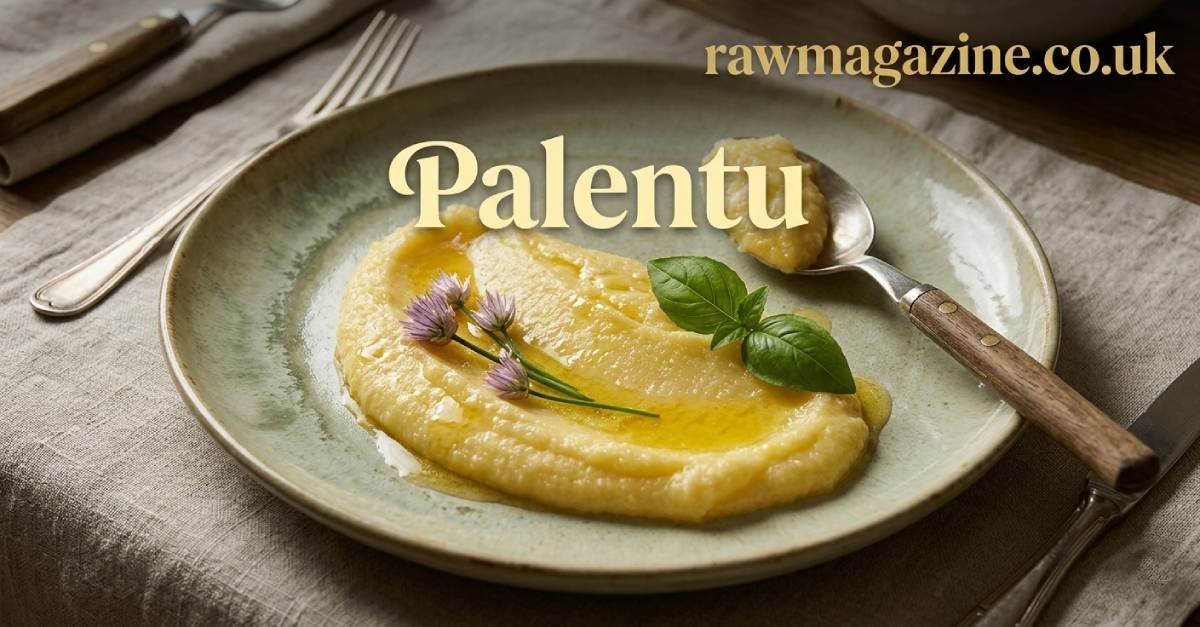
Food has a remarkable way of telling stories—stories of culture, resilience, and generations that shaped culinary traditions. Palentu is one of those foods. At first glance, it might appear simple, made mostly from cornmeal and liquid, yet behind that simplicity lies centuries of history and cultural meaning. Across parts of Europe—especially Italy and the Balkans—palentu has nourished communities, warmed family kitchens, and served as a symbol of humble but hearty cooking.
In many regions, palentu is closely related to the well-known Italian dish polenta, though the name reflects local dialects and traditions. What makes palentu special is its adaptability. It can be creamy and soft, grilled and crispy, served as a side dish, or even transformed into a main meal with vegetables, meats, or cheese.
This comprehensive guide explores everything about palentu—from its origins and cultural significance to cooking methods, nutritional value, and modern adaptations. By the end, readers will understand why this humble cornmeal dish continues to hold an important place in kitchens around the world.
What Is Palentu?
Palentu is a traditional dish made by slowly cooking ground cornmeal in water, broth, or milk until it thickens into a creamy or porridge-like texture. Once cooled, it becomes firm enough to slice and prepare in different ways such as grilling, frying, or baking.
Despite its simple ingredients, palentu offers impressive versatility. When served hot, it has a smooth, comforting consistency similar to porridge. When chilled and set, it transforms into a sliceable base that can be used in countless recipes.
Historically, families relied on palentu because it was affordable, filling, and easy to prepare. Cornmeal stores well, and the dish requires only basic cooking techniques. Over time, cooks across different regions added their own touches—introducing cheese, herbs, butter, or olive oil to enhance flavor.
Palentu is also widely appreciated because it acts as a neutral base for bold ingredients. Rich stews, roasted vegetables, mushrooms, or sauces can be served on top, allowing the dish to adapt to many cuisines and tastes.
The Historical Origins of Palentu
Ancient Grain Porridges
Long before corn arrived in Europe, people cooked grains into thick porridges as a staple meal. Ancient Romans prepared a dish called pulmentum, made from barley, millet, or other grains. These early porridges formed the foundation of what would later evolve into cornmeal dishes like palentu.
These grain-based meals were practical. They were inexpensive, easy to cook in large quantities, and capable of feeding entire families or communities.
The Arrival of Corn in Europe
The transformation of these porridges began in the 16th century when maize (corn) was introduced to Europe from the Americas. Farmers quickly adopted corn because it produced high yields and grew well in many climates.
As corn cultivation spread, people began replacing older grains with cornmeal. This shift led to the creation of many regional dishes that closely resemble palentu today.
Palentu as a Rural Staple
For centuries, palentu served as a staple food for working-class families. In rural areas, it was often called “the bread of the poor.” Farmers and laborers relied on it because it provided steady energy and could be paired with whatever ingredients were available.
Large pots of palentu would simmer over open fires, bringing families together during meal preparation. This communal aspect helped transform a simple dish into an important cultural tradition.
Palentu vs. Polenta: Understanding the Difference
Although palentu and polenta are closely related, their distinction mainly comes from language and regional identity. Both dishes rely on the same cooking method and core ingredient—cornmeal.
| Aspect | Palentu | Polenta |
|---|---|---|
| Primary Usage | Regional name in Balkan areas | Widely known Italian term |
| Core Ingredient | Cornmeal | Cornmeal |
| Cooking Method | Boiled and stirred | Boiled and stirred |
| Texture | Creamy or firm | Creamy or firm |
| Cultural Context | Balkan traditions | Northern Italian cuisine |
While polenta is internationally recognized, palentu reflects local speech patterns and traditions. In many cases, the preparation techniques are identical, but the name preserves cultural heritage.
Traditional Ingredients Used in Palentu
One of the reasons palentu has survived for centuries is its simplicity. It requires only a few ingredients, yet the quality of those ingredients can significantly influence the final result.
| Ingredient | Role in the Dish | Notes |
|---|---|---|
| Cornmeal | Main component | Coarse or fine grind |
| Water/Broth | Cooking liquid | Broth adds flavor |
| Salt | Enhances taste | Essential seasoning |
| Milk or Butter | Optional richness | Creates creaminess |
| Cheese | Flavor addition | Often Parmesan or local cheeses |
Cornmeal is the defining element of palentu. Different grinding styles produce different textures. Coarse cornmeal results in a rustic, grainy consistency, while finely ground cornmeal creates a smoother dish.
Liquids such as milk or broth can dramatically change the flavor. Broth adds savory depth, while milk gives the dish a creamy richness.
How Palentu Is Traditionally Cooked
Cooking palentu requires patience and careful stirring. While the ingredients are simple, the technique ensures the final texture is smooth and Flavorful.
First, liquid is brought to a gentle boil in a pot. The cornmeal is then gradually added while stirring constantly to prevent lumps from forming. Once mixed, the heat is reduced and the mixture simmers slowly.
Throughout the cooking process, frequent stirring is important. This prevents the mixture from sticking to the bottom of the pot and ensures even thickening.
Cooking time can vary depending on the grind of cornmeal used. Fine cornmeal may cook in about 20–30 minutes, while coarser varieties may require 40 minutes or longer.
Regional Variations of Palentu
Because palentu spread across multiple countries, each region developed its own interpretation. Cultural ingredients and cooking traditions influence how the dish is prepared.
| Region | Local Style | Typical Pairings |
|---|---|---|
| Northern Italy | Creamy polenta | Meat sauces, mushrooms |
| Balkans | Rustic palentu | Yogurt, cheese, stews |
| Romania/Moldova | Mămăligă | Sour cream, meats |
| Global adaptations | Modern variations | Vegetables, seafood |
In the Balkans, palentu is often served with yogurt or sheep cheese. This pairing creates a tangy balance that complements the mild corn flavor.
In Italian cuisine, creamy polenta frequently accompanies slow-cooked meat sauces or sautéed mushrooms.
Modern chefs continue to experiment with palentu by combining it with global ingredients and culinary techniques.
Nutritional Value and Health Benefits of Palentu
Beyond its comforting taste, palentu also offers several nutritional benefits.
Cornmeal provides carbohydrates that supply energy throughout the day. These complex carbohydrates release energy gradually, helping maintain stable energy levels.
Palentu is also naturally gluten-free, making it suitable for people who avoid gluten in their diets. This has contributed to its increasing popularity in modern cooking.
Key Nutrients in Palentu
- Carbohydrates for sustained energy
- Small amounts of protein and fiber
- Minerals such as iron and magnesium
- Additional nutrients depending on added ingredients
When combined with vegetables, lean proteins, or healthy fats, palentu can form part of a balanced meal.
Palentu in Modern Cuisine
While palentu once symbolized rural cooking, modern chefs have rediscovered its versatility. Restaurants now incorporate it into sophisticated dishes, highlighting its ability to absorb flavors.
In contemporary kitchens, palentu might appear as a creamy base beneath braised meats, grilled vegetables, or seafood. It may also be chilled, sliced, and served as a crispy appetizer.
The adaptability of palentu allows it to fit into many cooking styles—from traditional comfort food to refined dining experiences.
Food enthusiasts also appreciate its ability to pair with diverse ingredients. Mediterranean herbs, roasted vegetables, spicy sauces, and cheeses all complement its mild flavor.
Cultural Meaning of Palentu
Beyond its culinary uses, palentu carries cultural significance. In many communities, preparing and sharing the dish symbolizes family connection and heritage.
Large pots of simmering palentu were once a common sight in rural households. Cooking together created moments of conversation, cooperation, and shared tradition.
Today, even as food culture evolves, palentu remains a reminder of simpler times when meals were built around resourcefulness and community.
For many families, recipes are passed down through generations. These traditions keep the dish alive while preserving memories and cultural identity.
Conclusion
Palentu may be made from humble ingredients, but its story is anything but simple. From ancient grain porridges to modern culinary creations, this cornmeal dish has evolved while preserving its cultural roots.
Its enduring appeal lies in its versatility. Palentu can be creamy or firm, rustic or refined, simple or elaborate. It adapts to different cuisines, dietary preferences, and cooking styles.
Most importantly, palentu represents more than food. It reflects heritage, resilience, and the power of simple Ingredients to bring people together. Whether served in a rural kitchen or a contemporary restaurant, palentu continues to nourish both body and tradition.
Frequently Asked Questions (FAQs)
1. What exactly is palentu?
Palentu is a cornmeal-based dish cooked in water, milk, or broth until it thickens into a creamy or firm consistency. It is closely related to Italian polenta.
2. Is palentu the same as polenta?
They are very similar. The difference mainly comes from regional terminology, with palentu used in some Balkan regions while polenta is the Italian name.
3. Is palentu gluten-free?
Yes. Because it is made from cornmeal, palentu is naturally gluten-free and suitable for people avoiding gluten.
4. Can palentu be grilled or fried?
Yes. When palentu cools and solidifies, it can be sliced and grilled, baked, or fried for a crispy texture.
5. What foods pair well with palentu?
Palentu pairs well with stews, roasted vegetables, mushrooms, cheese, meats, and sauces due to its mild flavor.
-

 Entertainment2 months ago
Look2movie: A Deep Dive Into the Free Movie Streaming Phenomenon
-

 Celebrity2 months ago
Elizabeth Hatcher-Travis: The Private Force Behind a Public Icon
-

 Celebrity2 months ago
Michel Sáenz Castro: A Thoughtful Look at the Name, Work, and Public Presence
-

 Celebrity2 months ago
Alynne Rooker: Craft, Influence, and a Modern Path
-

 Technology2 months ago
Nionenad: Meaning, Origins, and Its Growing Digital Presence
-

 Tech2 months ago
QLCredit Explained: Smarter Credit Decisions Today
-

 Tech2 months ago
meaimee 3 Experience Guide for Smarter Conversations
-

 Entertainment2 months ago
Ciulioneros Culture and Meaning in Modern Communities