
Fashion & Lifestyle
Poieno: Redefining Creative Digital Expression for Creators!
Discover Poieno, a purpose-driven creative framework that transforms digital expression through intentional design, meaningful storytelling, and sustainable innovation.


Introduction
In a world overflowing with content, tools, and platforms, Poieno emerges as a refreshing shift toward intentional, meaningful digital creation. Rather than pushing creators to chase trends or volume, Poieno centers on depth, originality, and authentic expression. It’s not just another platform or concept—it’s a creative philosophy blended with practical tools that empower individuals, teams, and brands to build work that truly resonates.
This article explores what Poieno represents, how it works, why it matters across industries, and how it can shape the future of creative work. Whether you’re an artist, entrepreneur, educator, technologist, or storyteller, you’ll discover how this evolving approach can elevate the way you create, collaborate, and connect.
Understanding the Core Idea Behind Poieno
At its heart, Poieno is built on a simple yet powerful principle: creation should be intentional. The name draws inspiration from the ancient concept of “bringing something into existence with purpose.” It’s not about producing more—it’s about producing better.
Unlike traditional creative systems that focus on output metrics, Poieno encourages creators to think about meaning, impact, and emotional depth. This shift matters because audiences today are overwhelmed. They crave clarity, sincerity, and thoughtful design.
Poieno blends creativity, technology, and human insight into one cohesive framework. It supports ideation, development, refinement, and delivery—all while keeping the creator’s intent at the center.
Quick Overview of Poieno as a Platform
While Poieno can be seen as a philosophy, it also functions as a digital ecosystem designed to support intentional creators. Below is a snapshot of what defines it.
| Feature Area | Description | Primary Benefit |
|---|---|---|
| Creative Workspace | Structured environment for idea mapping and storytelling | Clear direction and focus |
| Collaboration Tools | Real-time co-creation and feedback systems | Deeper teamwork and synergy |
| Reflection Dashboard | Tracks purpose, goals, and creative milestones | Meaning-driven progress |
| Publishing Integration | Multi-format publishing capabilities | Smooth distribution across channels |
| Insight Analytics | Measures engagement quality, not just quantity | Smarter creative decisions |
This structure makes Poieno adaptable. It works for individuals crafting personal projects and organizations building large-scale campaigns.
What Makes Poieno Different?
Purpose Before Production
Most creative systems start with “What can we make?” Poieno starts with “Why are we making this?” That subtle shift changes everything. It encourages creators to pause, reflect, and align their work with a deeper objective.
For example, instead of launching a marketing campaign just to boost visibility, a team might explore the emotional story behind their product. That reflection often leads to stronger narratives and lasting audience relationships.
Quality Over Noise
We live in an era of constant updates and endless scrolling. Yet the most impactful creations are rarely rushed. Poieno promotes slower, more deliberate processes that allow ideas to mature.
Think of it like cooking a slow-simmered stew instead of microwaving a frozen meal. The time invested transforms the flavor—and the experience.
Integrated Creativity and Technology
Technology often feels cold or transactional. Poieno bridges that gap by embedding human insight into digital workflows. From collaborative brainstorming spaces to thoughtful publishing structures, it ensures technology amplifies creativity rather than replacing it.
The Philosophy of Intentional Creation
Intentional creation isn’t just a trendy phrase. It’s a mindset. It asks creators to consider three essential dimensions:
| Dimension | Key Question | Impact on Outcome |
|---|---|---|
| Purpose | Why does this need to exist? | Strengthens authenticity |
| Audience | Who is it truly for? | Improves relevance and resonance |
| Legacy | What lasting value will it provide? | Encourages sustainability |
When these dimensions align, the work feels cohesive. It carries emotional weight. It connects.
This approach applies beyond art or media. Businesses use it to design better customer experiences. Educators apply it to craft meaningful learning journeys. Nonprofits use it to tell stories that inspire action.
How Poieno Supports Different Industries
One of the most powerful aspects of Poieno is its versatility. It doesn’t belong to one niche. It adapts across fields because its foundation is human-centered creation.
For Entrepreneurs and Startups
Startups often move fast, sometimes too fast. In that rush, clarity gets lost. By applying the Poieno framework, founders can define their mission clearly before scaling operations.
Instead of chasing short-term gains, they build brands rooted in identity and long-term trust. That clarity often becomes their strongest competitive advantage.
For Educators and Coaches
Learning is most effective when it’s meaningful. Educators using Poieno principles design courses that connect theory with real-world purpose. Lessons become more than information—they become transformation.
Students don’t just memorize facts. They understand context and intention.
For Artists and Designers
Artists thrive when they have space to experiment while staying grounded in their message. Poieno provides that balance. It offers structured reflection without limiting creative freedom.
Design becomes more than aesthetic. It becomes expressive storytelling.
The Creative Lifecycle Within Poieno
Every creative process follows a journey. Poieno structures that journey into four intentional stages:
| Stage | Description | Outcome |
|---|---|---|
| Exploration | Brainstorming, research, emotional mapping | Clear creative direction |
| Formation | Structuring ideas into tangible formats | Organized project blueprint |
| Refinement | Iteration, feedback integration, emotional alignment | Polished and purposeful output |
| Release | Distribution and audience engagement | Meaningful public interaction |
This lifecycle prevents burnout. It reduces chaos. Most importantly, it ensures the final product aligns with its original purpose.
A Real-World Example of Intentional Creation
Imagine a small sustainable fashion brand preparing to launch a new collection. Traditionally, they might focus on seasonal trends and production speed.
Using the Poieno model, they begin differently. They reflect on why this collection exists. Perhaps it tells a story about ethical sourcing or community empowerment. That narrative influences fabric choices, photography style, and even customer communication.
The result? Customers don’t just buy clothing. They buy into a movement. Sales become a byproduct of meaning.
Technology, Emotion, and Balance
Modern creativity lives at the intersection of data and emotion. Many platforms lean heavily into numbers. They track clicks, views, and shares. While metrics matter, they don’t tell the whole story.
Poieno introduces a more balanced perspective. It encourages creators to measure depth of engagement, emotional response, and long-term impact. This doesn’t mean ignoring data. It means interpreting it through a human lens.
For example, a podcast episode with fewer downloads but stronger listener feedback may hold greater long-term value than a viral clip with shallow engagement.
Building Sustainable Creative Habits
Creativity isn’t a one-time event. It’s a practice. Poieno emphasizes building habits that sustain inspiration and reduce burnout.
Here are two core habits it encourages:
- Regular reflection sessions to reconnect with purpose
- Collaborative check-ins that align team energy
These small routines create stability. They help creators stay motivated even during challenging phases.
Over time, this consistency produces stronger, more meaningful work.
The Psychological Impact of Intentional Work
When creators feel connected to their purpose, stress decreases and satisfaction increases. Research in workplace psychology consistently shows that meaning-driven work improves productivity and well-being.
By focusing on intentional design, Poieno indirectly supports mental clarity. Creators avoid the trap of endless comparison. Instead, they measure progress against their own values.
This shift reduces anxiety and increases confidence. The creative process becomes energizing rather than draining.
Future Potential and Innovation
As digital landscapes evolve, the need for intentional frameworks grows stronger. Automation and artificial intelligence continue to reshape creative industries. While these tools enhance efficiency, they can also distance creators from authenticity.
Poieno acts as a grounding system. It reminds us that technology is a tool—not the storyteller. The human element remains irreplaceable.
Looking ahead, the integration of immersive experiences, interactive storytelling, and decentralized collaboration will likely strengthen this philosophy. Creators who adopt intentional frameworks early will be better prepared for rapid shifts.
How to Begin Applying the Poieno Framework
You don’t need special software to start. The mindset comes first.
Begin by asking three simple questions before your next project:
- What emotional response do I want to create?
- How does this align with my deeper purpose?
- What long-term value will this provide?
Write down your answers. Revisit them during development. Notice how clarity improves decision-making.
Over time, this reflective practice becomes second nature.
Measuring Impact Beyond Numbers
Success often gets reduced to visible metrics. But meaningful impact sometimes unfolds quietly.
A heartfelt message from one customer.
A student who feels seen.
A reader who finds comfort in your words.
These subtle outcomes matter. Poieno encourages creators to recognize and value these deeper forms of influence.
By redefining success, it transforms how progress feels. Instead of chasing endless growth, creators pursue lasting contribution.
Conclusion
Poieno represents more than a creative tool or structured framework—it embodies a philosophy of intentional creation in a fast-paced digital world. By placing purpose before production, it helps individuals and organizations produce work that resonates deeply rather than simply existing for visibility.
Throughout this exploration, we’ve seen how this approach applies across industries, from startups to educators and artists. We’ve examined its Lifecycle stages, psychological benefits, and long-term potential. The consistent theme remains clear: meaningful work outlasts rushed output.
If you’re ready to elevate your creative process, begin with reflection. Align your projects with intention. Prioritize depth over noise. By adopting the principles of Poieno, you position yourself not just as a creator—but as a thoughtful architect of experiences that matter.
Frequently Asked Questions (FAQs)
1. What exactly is Poieno?
Poieno is a creative philosophy and digital framework centered on intentional, purpose-driven creation. It helps individuals and teams produce meaningful work rather than chasing volume.
2. Is Poieno suitable for businesses?
Yes. Businesses can use its structured approach to clarify brand messaging, design impactful campaigns, and strengthen long-term customer relationships.
3. Does Poieno replace traditional creative tools?
No. It complements existing tools by adding intentional structure and reflection to the creative process.
4. Can individuals apply Poieno without a team?
Absolutely. Freelancers, writers, and solo creators can adopt its mindset independently to improve clarity and consistency.
5. How does Poieno improve creative satisfaction?
By aligning projects with purpose and values, it reduces burnout and increases fulfillment, making creative work more rewarding.
Fashion & Lifestyle
Acamento: The Art of Finishing That Defines Quality
Acamento explained in depth: meaning, applications, benefits, and why finishing defines quality across design, construction, and creative work.

Introduction
Acamento is one of those ideas that quietly shapes our daily experiences, even when we don’t notice it. Whether it appears in the smooth edge of a wooden table, the final polish on a digital product, or the last thoughtful touch in fashion or architecture, Acamento represents the moment when something becomes complete. In its simplest sense, Acamento is about finishing—but in a deeper way, it’s about intention, care, and the difference between “done” and “done right.” This article explores what Acamento truly means, how it applies across different fields, and why it plays such a powerful role in quality, perception, and long-term value. By the end, you’ll see Acamento not as a technical step, but as a mindset that elevates everything it touches.
What Is Acamento? Understanding the Core Meaning
At its heart, Acamento refers to the final stage of a process where details are refined, surfaces are perfected, and the outcome is prepared for real-world use or presentation. It goes beyond basic completion. Acamento is the phase where rough edges disappear and purpose becomes visible.
Think of Acamento as the difference between a draft and a finished manuscript. The story exists in both, but only one feels complete, confident, and ready to be shared. This concept applies universally, from physical craftsmanship to creative work and even personal projects.
What makes Acamento special is its focus on refinement. It’s not rushed, and it’s never accidental. It requires patience, awareness, and a clear understanding of what the final result should communicate or achieve.
The Philosophy Behind Acamento
Why Finishing Matters More Than We Think
Many people underestimate the power of finishing. They assume value is created during the main work, not at the end. Acamento challenges that idea. Often, the finishing stage is what people notice first and remember longest.
A well-finished object feels trustworthy. A poorly finished one raises doubts, even if the core work is strong. Acamento shapes first impressions and long-term satisfaction at the same time.
This philosophy teaches that quality lives in details. Small adjustments, subtle alignments, and thoughtful choices collectively create a sense of completeness that users can feel, even if they can’t explain why.
Acamento as a Mindset, Not Just a Step
Acamento isn’t only a final action; it’s a way of thinking throughout a project. When people plan with Acamento in mind, they make better decisions earlier. Materials are chosen more carefully. Processes are cleaner. The end result feels cohesive rather than patched together.
In this sense, Acamento becomes a guiding principle. It reminds creators, builders, and designers to respect the end user and the work itself.
Applications of Acamento Across Industries
Acamento in Construction and Interior Design
In construction, Acamento often refers to surface treatments, textures, and final detailing. Paint quality, flooring edges, wall finishes, and fixtures all fall under this category. These elements determine how a space feels to live or work in.
A building with thoughtful Acamento feels intentional. Light reflects better, materials age gracefully, and maintenance becomes easier. Poor finishing, on the other hand, leads to faster wear and constant repairs.
Acamento in Fashion and Textiles
In fashion, Acamento shows up in stitching, hems, fabric treatments, and closures. Two garments can use the same material and pattern, yet feel completely different because of finishing quality.
Designers often say that Acamento is where craftsmanship becomes visible. A clean seam or perfectly aligned pattern signals care and expertise. Over time, good finishing also improves durability and comfort.
Acamento in Digital Products and Creative Work
Even in digital spaces, Acamento matters. Smooth transitions, consistent spacing, intuitive layouts, and polished interactions are all forms of finishing. Users may not consciously notice them, but they feel the difference immediately.
Creative work follows the same rule. Editing, color correction, sound balancing, and final formatting are all expressions of Acamento. They turn raw creativity into something ready for an audience.
Key Elements That Define High-Quality Acamento
The quality of Acamento depends on several interconnected factors. Each one contributes to the overall sense of refinement and completeness.
| Element | Description | Impact on Final Outcome |
|---|---|---|
| Precision | Accuracy in measurements and alignment | Creates visual harmony |
| Consistency | Uniform treatment across all parts | Builds trust and balance |
| Material Choice | Selecting suitable finishes | Enhances durability |
| Attention to Detail | Care for small, visible aspects | Elevates perceived quality |
Together, these elements form a system. Weakness in one area can undermine the entire result, while strength across all of them creates excellence.
Acamento and Perceived Value
Why People Are Willing to Pay More
Products and experiences with strong Acamento often command higher prices. This isn’t only about Luxury; it’s about confidence. People sense when something has been carefully completed.
A finished surface that feels smooth under the hand or a digital experience that flows effortlessly signals reliability. Acamento reduces friction, both physical and mental, making interactions more enjoyable.
Emotional Connection Through Finishing
Acamento also creates emotional resonance. When something is well-finished, it feels respectful of the user’s time and attention. That respect builds loyalty and appreciation over time.
In many case studies across industries, customers consistently associate finishing quality with trust, even when they can’t articulate the technical reasons.
Comparing Minimal and High-Level Acamento
Not all finishing is equal. Understanding the difference helps clarify why Acamento matters so much.
| Aspect | Minimal Acamento | High-Level Acamento |
|---|---|---|
| Appearance | Functional but plain | Refined and cohesive |
| Longevity | Shorter lifespan | Longer-lasting |
| User Experience | Neutral or forgettable | Memorable and pleasant |
| Maintenance | Frequent fixes | Lower long-term effort |
This comparison shows that Acamento is not an optional luxury. It directly influences usability, cost over time, and satisfaction.
Common Mistakes That Undermine Acamento
One frequent mistake is rushing the final stage. Deadlines and budgets often pressure teams to stop early, leaving small flaws unaddressed. Unfortunately, those flaws tend to stand out the most.
Another issue is inconsistency. Mixing finishing styles or standards creates visual noise and confusion. Acamento works best when guided by a clear, unified vision.
Finally, ignoring the user perspective can weaken finishing. Acamento should always consider how people will touch, see, and interact with the final result.
How to Approach Acamento in Your Own Projects
Improving Acamento doesn’t require perfectionism. It requires awareness and intention. Start by defining what “finished” truly means for your project. Then work backward, ensuring each step supports that goal.
Test the result as a user would. Touch it, use it, or experience it without insider knowledge. Small adjustments at this stage often create the biggest improvements.
Most importantly, allow time for finishing. Acamento needs space to breathe. When given that space, it transforms good work into great work.
The Future of Acamento in a Fast-Paced World
As processes become faster and more automated, Acamento becomes even more valuable. Speed can create efficiency, but finishing preserves humanity and care.
In the future, those who balance efficiency with thoughtful Acamento will stand out. Whether in products, services, or creative expressions, finishing will remain the quiet marker of excellence.
Conclusion
Acamento is far more than a final step—it’s the moment where effort turns into excellence. Throughout this article, we explored how Acamento defines quality, shapes perception, and adds lasting value across industries. From construction and fashion to digital experiences and creative work, the power of finishing remains consistent. When approached with care, Acamento builds trust, enhances usability, and creates emotional connection. The key takeaway is simple but powerful: never underestimate the finish. When you give Acamento the attention it deserves, your work doesn’t just function—it resonates.
Frequently Asked Questions (FAQs)
What does Acamento mean in simple terms?
Acamento refers to the finishing stage of a process where details are refined and the final result is perfected for use or presentation.
Is Acamento only used in construction or design?
No, Acamento applies across many fields, including fashion, digital products, creative work, and even personal projects.
Why is Acamento important for quality?
Because finishing directly affects how something looks, feels, and lasts, shaping both perception and long-term satisfaction.
Can good Acamento increase value?
Yes, well-finished outcomes often feel more reliable and desirable, which naturally increases perceived and real value.
How can beginners improve their Acamento skills?
By slowing down at the final stage, testing from a user’s perspective, and focusing on consistency and small details.

Tumbons are one of those everyday terms that locals understand deeply, yet outsiders often overlook. If you have ever traveled through Thailand or explored how local administration works, you have probably encountered this word without fully grasping its importance. A tumbon is not just a boundary on a map. It reflects community identity, shared history, and daily cooperation. Understanding it opens a window into how people organize life at a local level.
Understanding the Meaning of Tumbons
A tumbon is commonly translated as a subdistrict, but that simple definition misses much of its meaning. It represents a cluster of villages that share administrative responsibilities and social ties. People living within the same area often attend the same markets, temples, and community events. This shared structure creates a sense of belonging that goes beyond geography.
From an administrative view, tumbons act as a bridge between villages and larger districts. They help organize public services such as local roads, sanitation, and community planning. This level of governance keeps decision making close to the people affected by it. That closeness makes responses faster and more relevant to local needs.
Culturally, a tumbon often carries a name tied to local history or natural features. These names are not random. They reflect rivers, forests, or historical events that shaped the area. Over time, residents build emotional connections to these identities, passing stories from one generation to the next.
Will You Check This Article: QLCredit Explained: Smarter Credit Decisions Today
Historical Roots of Local Subdistricts
The concept of tumbons developed as communities grew and required more organized administration. In earlier times, villages managed themselves informally through elders and shared customs. As populations expanded, a need emerged for a structured system that still respected local traditions. The tumbon model balanced both requirements effectively.
Historical records show that these subdistricts helped central authorities communicate with rural areas. Instead of dealing with countless villages individually, officials worked through this intermediate level. This approach reduced confusion while allowing communities to maintain autonomy in daily matters.
Over generations, tumbons evolved alongside social changes. Infrastructure improved, education expanded, and local economies diversified. Yet the core idea remained the same: manage community life at a scale small enough to understand people’s real needs while staying connected to the broader national system.
Administrative Role in Daily Life
In practical terms, tumbons influence daily routines more than many people realize. Local administrative organizations oversee services such as waste collection, water management, and small infrastructure projects. These tasks might seem minor, but they shape the quality of everyday living in powerful ways.
Because decisions are made locally, residents can voice concerns directly to representatives who live nearby. This proximity encourages accountability and participation. People feel more comfortable speaking up when leaders are familiar faces rather than distant officials.
This administrative role also supports emergency response and community welfare. When floods, storms, or health issues arise, local bodies act quickly because they know the terrain and the people involved. That responsiveness often makes a critical difference during challenging times.
Cultural Identity and Community Bonds
Culture thrives at the tumbon level because it reflects shared experiences. Festivals, religious ceremonies, and seasonal traditions are usually organized within these boundaries. Residents work together to prepare events, strengthening social bonds and mutual trust.
Local crafts, foods, and customs often vary from one area to another. These differences give each place its own character. Even neighboring communities may celebrate similar festivals in slightly different ways, shaped by local history and environment.
This cultural richness fosters pride among residents. When people identify strongly with their local area, they are more likely to protect traditions and support one another. That sense of pride also encourages younger generations to stay connected to their roots, even as modern influences grow.
Economic Activities at the Local Level
Many economic activities are organized around tumbons, especially in rural regions. Agriculture, small-scale manufacturing, and local markets often operate within these boundaries. Farmers share resources, exchange knowledge, and coordinate production based on local conditions.
Community-based enterprises also benefit from this structure. Cooperative groups can pool funds, market products, and negotiate better prices together. This collective approach reduces risk and increases stability for small producers.
Tourism has become another important factor in some areas. Local administrations promote cultural attractions, crafts, and natural sites. By managing tourism locally, communities can balance economic benefits with environmental and cultural preservation.
Education, Health, and Social Services
Education and health services are closely linked to tumbons because accessibility matters. Local schools often serve several villages within the same area, creating shared learning environments. Children grow up together, forming friendships that strengthen long-term community ties.
Health initiatives also rely on local organization. Clinics, health volunteers, and outreach programs operate more effectively when coordinated at this level. They can tailor services to specific needs, such as elderly care or maternal health, based on local demographics.
Social support networks flourish here as well. Community funds, volunteer groups, and welfare programs provide assistance during difficult times. These systems work best when people know and trust each other, which is more likely in smaller administrative units.
Modern Challenges and Adaptation
Despite their strengths, tumbons face modern challenges. Urbanization draws young people to cities, leaving aging populations behind. This shift strains local resources and reduces the workforce available for community projects.
Technology has introduced both opportunities and difficulties. Digital tools improve communication and service delivery, but not everyone has equal access or skills. Local administrations must balance innovation with inclusivity to avoid leaving anyone behind.
Environmental pressures also demand adaptation. Climate change affects agriculture, water supply, and disaster risk. Local knowledge combined with modern planning helps communities respond effectively. This adaptability shows why local governance remains essential in a changing world.
Conclusion
Tumbons are far more than administrative labels. They represent living communities shaped by history, culture, and shared responsibility. Through local governance, cultural traditions, and economic cooperation, they influence daily life in meaningful ways. Understanding their role reveals how grassroots organization supports national systems while preserving local identity. By valuing and strengthening these structures, communities can face modern challenges without losing what makes them unique.
Read More: https://zubazmagazine.co.uk/
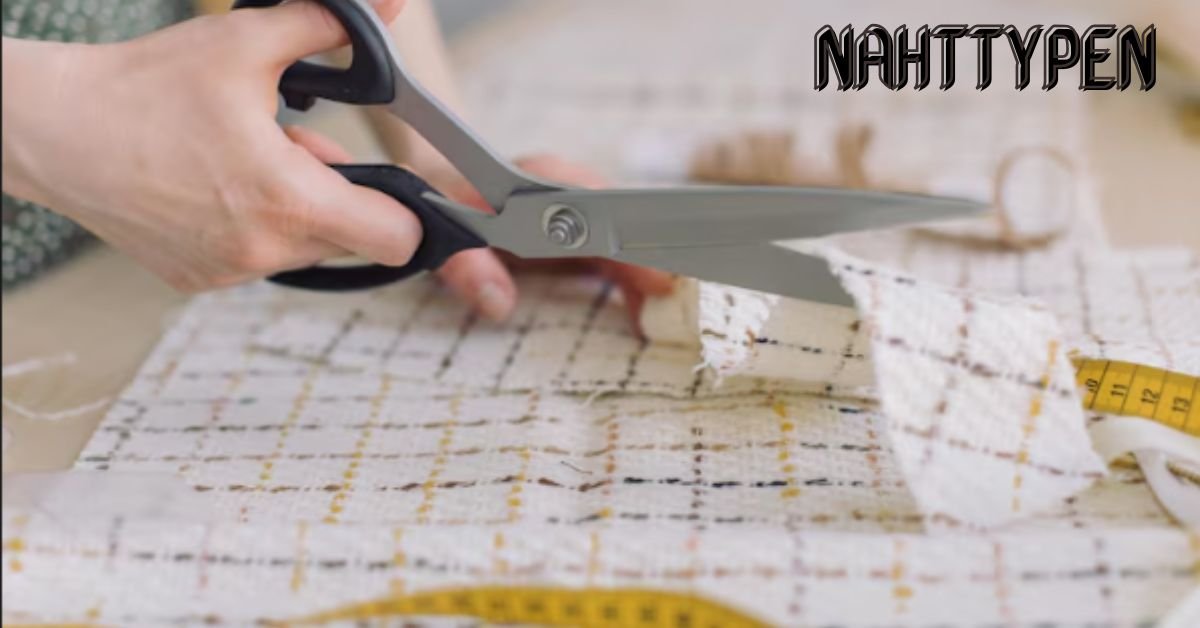
When it comes to sewing, understanding the right nahttypen can make the difference between a professional-looking garment and one that feels unfinished. Seam types aren’t just decorative; they determine strength, flexibility, and overall appearance. Whether you’re stitching delicate fabrics or creating durable outerwear, knowing which seam to use can save time and enhance quality. From classic straight seams to more intricate finishes, exploring nahttypen offers both practical and creative benefits. This guide will take you through the essentials, helping you sew with confidence and precision.
The Basics of Nahttypen
Nahttypen, or seam types, are the foundation of sewing craftsmanship. Each type serves a specific function, ensuring fabrics hold together effectively while maintaining their shape. Beginners often underestimate the importance of choosing the right seam, but even simple projects benefit from correct seam selection. Understanding these basics allows sewists to predict how fabrics will behave under tension, movement, or washing. It’s a skill that grows more critical as projects become more advanced.
Seam types are influenced by fabric type, garment style, and desired durability. Lightweight fabrics require delicate seams to avoid bulk, while heavier materials demand robust constructions. By learning the fundamentals, you can select the ideal nahttypen for any fabric. This knowledge saves frustration, reduces mistakes, and increases the overall lifespan of your sewing projects. It also lays the groundwork for experimenting with decorative or functional seam variations.
Mastering the basics also improves finishing techniques. Well-chosen seams simplify pressing, trimming, and edge treatments, resulting in a polished final product. Additionally, understanding the core types allows for consistent quality across multiple projects. Whether sewing for personal use, gifts, or small business purposes, a strong foundation in nahttypen ensures confidence and professional results every time.
Will You Check This Article: Instablu: A Practical Guide to Understanding Its Real Value
Straight and Plain Seams
The straight seam is the most common nahttypen used in sewing. It involves stitching two pieces of fabric together along a straight line, creating a clean and simple join. This seam is ideal for most garment constructions and everyday sewing projects, offering durability without adding bulk. It’s versatile enough to be used in dresses, shirts, and home textiles.
Plain seams are particularly effective for lightweight fabrics like cotton, silk, or linen. They allow for easy pressing and provide a smooth finish. Sewists can adjust seam allowances depending on fabric thickness, which affects the final look and flexibility of the garment. For beginners, mastering straight seams builds confidence and forms the basis for more advanced seam techniques later.
Although simple, straight seams can be enhanced with reinforcement techniques like backstitching or topstitching. These additional steps prevent unraveling and strengthen stress points. Overall, the plain seam’s simplicity and reliability make it a cornerstone of sewing practice, suitable for almost every basic project. It demonstrates how functional nahttypen doesn’t have to be complicated.
French Seams for Delicate Fabrics
French seams are a nahttypen that provides a neat, enclosed finish, making it perfect for delicate or sheer fabrics. By stitching the seam twice—first with wrong sides together, then right sides together—the raw edges are hidden inside. This prevents fraying and gives the garment a professional look without requiring extra finishing.
This seam type is often used in blouses, dresses, or lingerie, where appearance and comfort are both critical. French seams create a clean interior, which is especially important when working with fabrics that are prone to unraveling. Their smooth edge also ensures that seams lie flat and do not irritate the skin.
Using French seams can increase sewing time slightly but pays off in durability and aesthetics. For sewists who enjoy precision and attention to detail, this nahttypen is a reliable choice. It’s also a great way to elevate handmade garments, making them appear professionally tailored without specialized machinery.
Overlocked and Serger Seams
Overlocked seams, created with a serger, are essential for finishing edges and preventing fraying in medium to heavy fabrics. This nahttypen trims and encases fabric edges in one step, saving time while providing a durable finish. It’s particularly popular in knit fabrics and activewear, where stretch and resilience are necessary.
The serger seam’s ability to combine stitching and edge finishing reduces bulk and strengthens the garment. Sewists can adjust tension and stitch width to accommodate different fabrics, ensuring clean results. Overlocked seams also allow for flexibility, making them ideal for garments that require frequent washing and movement.
Despite requiring specialized equipment, learning to use a serger expands sewing capabilities significantly. Overlocked seams offer professional-looking finishes and minimize additional pressing or trimming. For anyone aiming to create long-lasting and polished garments, incorporating this nahttypen into their skill set is invaluable.
Topstitching and Decorative Seams
Not all nahttypen are purely functional; some enhance design and style. Topstitching is a seam technique that adds decorative lines on the garment’s surface while reinforcing the seam beneath. It can be straight, parallel, or follow the garment’s contours, creating visual interest and structure.
Decorative seams are especially effective in jackets, jeans, and outerwear, where bold stitching can highlight panels or add contrast. Beyond aesthetics, topstitching reinforces stress points, preventing seams from opening under strain. This makes it both practical and stylish, blending function with fashion.
By experimenting with thread color, stitch length, and placement, sewists can transform simple garments into unique pieces. Decorative nahttypen offer a way to express creativity while maintaining garment integrity. They demonstrate that seam choices aren’t just technical—they’re a tool for personal expression in sewing.
Flat-Felled Seams for Durability
Flat-felled seams are a nahttypen designed for strength and durability. By folding and stitching the seam allowance flat, this seam eliminates raw edges, creating a smooth finish on both sides. It’s commonly seen in jeans, shirts, and workwear, where resilience is key.
This seam type is perfect for fabrics that endure tension or frequent washing. It reduces fraying and bulk while providing a neat, professional appearance. Although slightly more complex than a straight seam, flat-felled seams are manageable with practice and careful pressing.
Sewists appreciate flat-felled seams because they combine aesthetic appeal with structural integrity. Using this technique ensures garments withstand daily wear without sacrificing style. It’s a prime example of how strategic nahttypen choices enhance both function and finish.
Bias and Curved Seams
Bias seams are sewn along the fabric’s diagonal, allowing more stretch and fluidity than straight seams. This nahttypen is particularly useful in garments that follow body curves, such as dresses or skirts, ensuring better fit and movement. Curved seams help achieve contouring effects that flat seams cannot.
Working with bias seams requires precision because the fabric can stretch or warp easily. Sewists often stabilize the edge with stay stitching or careful handling to maintain shape. The effort results in garments that drape naturally and fit comfortably without pulling or puckering.
Curved seams also provide creative opportunities for design. They can create visual shapes, color blocking, or flattering lines, making them both functional and artistic. Mastering bias and curved nahttypen broadens sewing possibilities, allowing more advanced projects and stylish results.
Conclusion
Understanding nahttypen is essential for any sewist aiming to create polished, durable, and beautiful garments. From simple straight seams to intricate French or flat-felled finishes, each type serves a purpose and contributes to the final result. Choosing the right seam ensures strength, prevents fraying, and enhances overall design.
As skills grow, experimenting with decorative and functional seams opens creative possibilities. Applying knowledge of nahttypen allows garments to perform better while maintaining visual appeal. It also fosters confidence in tackling complex patterns and different fabrics, turning sewing from a hobby into a craft.
Mastery of seam types elevates sewing from basic construction to professional-level finishing. Every stitch becomes intentional, supporting durability, style, and comfort. By embracing the variety of nahttypen, sewists can achieve precision, functionality, and artistry in every project.
Read More: https://zubazmagazine.co.uk/
-

 Tech3 weeks ago
QLCredit Explained: Smarter Credit Decisions Today
-
 Tech3 weeks ago
Escapamento RD: Performance, Sound, and Riding Feel
-

 Tech3 weeks ago
Trucofax: Understanding Its Role and Impact
-
 Entertainment3 weeks ago
Ciulioneros Culture and Meaning in Modern Communities
-

 Tech3 weeks ago
meaimee 3 Experience Guide for Smarter Conversations
-
 Tech3 weeks ago
Repmold Manufacturing Guide for Modern Product Teams
-

 General3 weeks ago
Smashblendy com: A Fresh Take on Blending Culture
-

 Fashion & Lifestyle3 weeks ago
Viltnemnda: Understanding Its Role and Importance in Decision-Making