
Fashion & Lifestyle
Nahttypen: Understanding Seam Types for Perfect Sewing

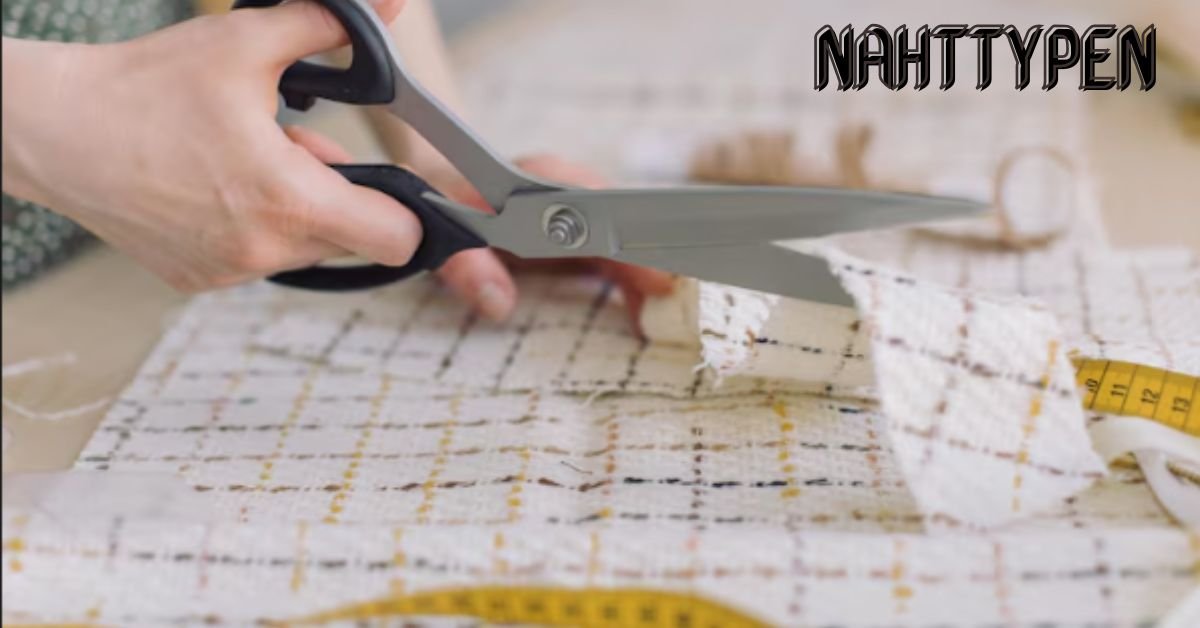
When it comes to sewing, understanding the right nahttypen can make the difference between a professional-looking garment and one that feels unfinished. Seam types aren’t just decorative; they determine strength, flexibility, and overall appearance. Whether you’re stitching delicate fabrics or creating durable outerwear, knowing which seam to use can save time and enhance quality. From classic straight seams to more intricate finishes, exploring nahttypen offers both practical and creative benefits. This guide will take you through the essentials, helping you sew with confidence and precision.
The Basics of Nahttypen
Nahttypen, or seam types, are the foundation of sewing craftsmanship. Each type serves a specific function, ensuring fabrics hold together effectively while maintaining their shape. Beginners often underestimate the importance of choosing the right seam, but even simple projects benefit from correct seam selection. Understanding these basics allows sewists to predict how fabrics will behave under tension, movement, or washing. It’s a skill that grows more critical as projects become more advanced.
Seam types are influenced by fabric type, garment style, and desired durability. Lightweight fabrics require delicate seams to avoid bulk, while heavier materials demand robust constructions. By learning the fundamentals, you can select the ideal nahttypen for any fabric. This knowledge saves frustration, reduces mistakes, and increases the overall lifespan of your sewing projects. It also lays the groundwork for experimenting with decorative or functional seam variations.
Mastering the basics also improves finishing techniques. Well-chosen seams simplify pressing, trimming, and edge treatments, resulting in a polished final product. Additionally, understanding the core types allows for consistent quality across multiple projects. Whether sewing for personal use, gifts, or small business purposes, a strong foundation in nahttypen ensures confidence and professional results every time.
Will You Check This Article: Instablu: A Practical Guide to Understanding Its Real Value
Straight and Plain Seams
The straight seam is the most common nahttypen used in sewing. It involves stitching two pieces of fabric together along a straight line, creating a clean and simple join. This seam is ideal for most garment constructions and everyday sewing projects, offering durability without adding bulk. It’s versatile enough to be used in dresses, shirts, and home textiles.
Plain seams are particularly effective for lightweight fabrics like cotton, silk, or linen. They allow for easy pressing and provide a smooth finish. Sewists can adjust seam allowances depending on fabric thickness, which affects the final look and flexibility of the garment. For beginners, mastering straight seams builds confidence and forms the basis for more advanced seam techniques later.
Although simple, straight seams can be enhanced with reinforcement techniques like backstitching or topstitching. These additional steps prevent unraveling and strengthen stress points. Overall, the plain seam’s simplicity and reliability make it a cornerstone of sewing practice, suitable for almost every basic project. It demonstrates how functional nahttypen doesn’t have to be complicated.
French Seams for Delicate Fabrics
French seams are a nahttypen that provides a neat, enclosed finish, making it perfect for delicate or sheer fabrics. By stitching the seam twice—first with wrong sides together, then right sides together—the raw edges are hidden inside. This prevents fraying and gives the garment a professional look without requiring extra finishing.
This seam type is often used in blouses, dresses, or lingerie, where appearance and comfort are both critical. French seams create a clean interior, which is especially important when working with fabrics that are prone to unraveling. Their smooth edge also ensures that seams lie flat and do not irritate the skin.
Using French seams can increase sewing time slightly but pays off in durability and aesthetics. For sewists who enjoy precision and attention to detail, this nahttypen is a reliable choice. It’s also a great way to elevate handmade garments, making them appear professionally tailored without specialized machinery.
Overlocked and Serger Seams
Overlocked seams, created with a serger, are essential for finishing edges and preventing fraying in medium to heavy fabrics. This nahttypen trims and encases fabric edges in one step, saving time while providing a durable finish. It’s particularly popular in knit fabrics and activewear, where stretch and resilience are necessary.
The serger seam’s ability to combine stitching and edge finishing reduces bulk and strengthens the garment. Sewists can adjust tension and stitch width to accommodate different fabrics, ensuring clean results. Overlocked seams also allow for flexibility, making them ideal for garments that require frequent washing and movement.
Despite requiring specialized equipment, learning to use a serger expands sewing capabilities significantly. Overlocked seams offer professional-looking finishes and minimize additional pressing or trimming. For anyone aiming to create long-lasting and polished garments, incorporating this nahttypen into their skill set is invaluable.
Topstitching and Decorative Seams
Not all nahttypen are purely functional; some enhance design and style. Topstitching is a seam technique that adds decorative lines on the garment’s surface while reinforcing the seam beneath. It can be straight, parallel, or follow the garment’s contours, creating visual interest and structure.
Decorative seams are especially effective in jackets, jeans, and outerwear, where bold stitching can highlight panels or add contrast. Beyond aesthetics, topstitching reinforces stress points, preventing seams from opening under strain. This makes it both practical and stylish, blending function with fashion.
By experimenting with thread color, stitch length, and placement, sewists can transform simple garments into unique pieces. Decorative nahttypen offer a way to express creativity while maintaining garment integrity. They demonstrate that seam choices aren’t just technical—they’re a tool for personal expression in sewing.
Flat-Felled Seams for Durability
Flat-felled seams are a nahttypen designed for strength and durability. By folding and stitching the seam allowance flat, this seam eliminates raw edges, creating a smooth finish on both sides. It’s commonly seen in jeans, shirts, and workwear, where resilience is key.
This seam type is perfect for fabrics that endure tension or frequent washing. It reduces fraying and bulk while providing a neat, professional appearance. Although slightly more complex than a straight seam, flat-felled seams are manageable with practice and careful pressing.
Sewists appreciate flat-felled seams because they combine aesthetic appeal with structural integrity. Using this technique ensures garments withstand daily wear without sacrificing style. It’s a prime example of how strategic nahttypen choices enhance both function and finish.
Bias and Curved Seams
Bias seams are sewn along the fabric’s diagonal, allowing more stretch and fluidity than straight seams. This nahttypen is particularly useful in garments that follow body curves, such as dresses or skirts, ensuring better fit and movement. Curved seams help achieve contouring effects that flat seams cannot.
Working with bias seams requires precision because the fabric can stretch or warp easily. Sewists often stabilize the edge with stay stitching or careful handling to maintain shape. The effort results in garments that drape naturally and fit comfortably without pulling or puckering.
Curved seams also provide creative opportunities for design. They can create visual shapes, color blocking, or flattering lines, making them both functional and artistic. Mastering bias and curved nahttypen broadens sewing possibilities, allowing more advanced projects and stylish results.
Conclusion
Understanding nahttypen is essential for any sewist aiming to create polished, durable, and beautiful garments. From simple straight seams to intricate French or flat-felled finishes, each type serves a purpose and contributes to the final result. Choosing the right seam ensures strength, prevents fraying, and enhances overall design.
As skills grow, experimenting with decorative and functional seams opens creative possibilities. Applying knowledge of nahttypen allows garments to perform better while maintaining visual appeal. It also fosters confidence in tackling complex patterns and different fabrics, turning sewing from a hobby into a craft.
Mastery of seam types elevates sewing from basic construction to professional-level finishing. Every stitch becomes intentional, supporting durability, style, and comfort. By embracing the variety of nahttypen, sewists can achieve precision, functionality, and artistry in every project.
Read More: https://zubazmagazine.co.uk/

Introduction
In a world that is increasingly leaning toward sustainable living and eco-friendly materials, Wollmatten have quietly emerged as a practical and comforting solution for homes, workplaces, and even outdoor environments. These wool-based mats are more than just decorative accessories—they combine durability, insulation, and natural aesthetics in a way few synthetic alternatives can match. Whether you’ve come across Wollmatten in a cozy home setting or as part of agricultural or industrial use, understanding their versatility opens up a new appreciation for natural materials.
This article explores everything you need to know about Wollmatten—from their origins and composition to their wide-ranging applications and benefits. By the end, you’ll have a clear picture of why these mats are gaining popularity and how they can add both function and warmth to everyday life.
What Are Wollmatten?
Wollmatten, literally translated from German as “wool mats,” are mats made primarily from natural sheep wool fibers. These fibers are processed, felted, or woven to create dense, soft, and resilient surfaces that serve multiple purposes.
Unlike synthetic mats, Wollmatten rely on the inherent properties of wool—such as insulation, moisture absorption, and breathability—to deliver performance. Wool fibers are naturally crimped, which allows them to trap air and provide cushioning. This makes Wollmatten comfortable underfoot while also being highly durable.
What sets them apart is their ability to function across environments. They are not confined to indoor decor; they’re also used in gardening, construction, and even animal care. This multi-functionality stems from wool’s unique structure and natural resilience.
Key Characteristics of Wollmatten
Understanding the defining traits of Wollmatten helps explain why they are so widely appreciated across different fields.
Natural Insulation
Wool is one of nature’s best insulators. It keeps heat in during cold weather and remains breathable during warmer conditions. This makes Wollmatten suitable for both indoor comfort and outdoor applications.
Moisture Regulation
Wool can absorb moisture without feeling wet. It can hold up to 30% of its weight in water, which helps maintain a dry and comfortable surface.
Durability and Longevity
Wollmatten are built to last. The natural elasticity of wool fibers allows them to bounce back even after heavy use, maintaining their shape over time.
Eco-Friendly Composition
Since they are made from renewable resources, Wollmatten are biodegradable and environmentally friendly, making them a sustainable choice.
Types of Wollmatten and Their Uses
Wollmatten are not one-size-fits-all. They come in various forms depending on their intended use.
Household Wollmatten
These are commonly used as rugs, floor mats, or even yoga mats. They offer warmth, softness, and a natural aesthetic that complements modern and traditional interiors alike.
Gardening and Agricultural Wollmatten
In gardening, Wollmatten act as mulch mats. They help retain soil moisture, suppress weeds, and regulate temperature around plants.
Industrial and Construction Applications
Wollmatten are sometimes used for insulation in buildings or as protective layers during construction projects.
Animal Care Wollmatten
Farmers often use wool mats for livestock bedding. They provide warmth and comfort while being naturally breathable and hygienic.
Comparison of Wollmatten Types
| Type | Primary Use | Key Benefits | Ideal Environment |
|---|---|---|---|
| Household Wollmatten | Flooring, decor | Comfort, insulation | Indoor spaces |
| Gardening Wollmatten | Soil protection | Moisture retention, weed control | Gardens, farms |
| Industrial Wollmatten | Insulation, protection | Durability, thermal control | Construction sites |
| Animal Care Wollmatten | Bedding for livestock | Warmth, hygiene | Farms and stables |
Benefits of Using Wollmatten
The growing popularity of Wollmatten can be attributed to their wide range of advantages.
Comfort and Warmth
Few materials can match the cozy feel of wool. Walking or sitting on Wollmatten creates a sense of warmth that enhances comfort, especially in colder climates.
Sustainability
Wool is a renewable resource. Sheep produce wool annually, making it a continuous and eco-conscious material choice.
Versatility
From homes to farms, Wollmatten adapt easily. Their flexibility in use is one of their strongest selling points.
Natural Resistance
Wool has natural resistance to fire, mold, and bacteria. This makes Wollmatten safer and more hygienic compared to synthetic options.
Practical Applications of Wollmatten
To better understand their usefulness, let’s explore how Wollmatten fit into everyday scenarios.
In Homes
Imagine stepping onto a soft, warm surface on a chilly morning. Wollmatten provide that comfort while also enhancing the aesthetic appeal of your living space.
In Gardening
Gardeners often struggle with soil moisture and weed growth. Wollmatten offer a natural solution by acting as a protective layer that nurtures plant health.
In Workspaces
In industrial settings, these mats can reduce fatigue for workers who stand for long hours, thanks to their cushioning properties.
In Animal Farming
Livestock benefit greatly from wool mats, as they provide a warm and dry resting area, improving overall animal well-being.
Material Composition and Processing
Understanding how Wollmatten are made sheds light on their unique qualities.
Wool Fiber Collection
The process begins with shearing sheep to collect raw wool. This wool is then cleaned and sorted based on quality.
Felting or Weaving
The fibers are either felted (compressed using heat and moisture) or woven into dense structures. Felting is the most common method for Wollmatten.
Finishing and Treatment
Some mats are treated for additional durability or water resistance, although many remain untreated to preserve their natural properties.
Feature Breakdown of Wollmatten
| Feature | Description | Benefit |
|---|---|---|
| Thermal Insulation | Retains heat effectively | Energy efficiency |
| Moisture Absorption | Absorbs water without feeling wet | Comfort and dryness |
| Elasticity | Fibers return to original shape | Long-lasting durability |
| Biodegradability | Breaks down naturally over time | Environmentally friendly |
| Fire Resistance | Naturally flame-retardant | Increased safety |
Wollmatten vs Synthetic Mats
Choosing between natural and synthetic mats often depends on priorities. Here’s how Wollmatten compare.
| Aspect | Wollmatten | Synthetic Mats |
|---|---|---|
| Material Source | Natural wool | Petroleum-based materials |
| Comfort | Soft and breathable | Often less breathable |
| Environmental Impact | Biodegradable | Non-biodegradable |
| Durability | High with proper care | Varies widely |
| Maintenance | Requires gentle cleaning | Easier but less eco-friendly |
Maintenance and Care Tips
Taking care of Wollmatten ensures they last for years.
- Regularly shake or vacuum to remove dust
- Avoid excessive moisture exposure
- Use mild detergents when cleaning
- Allow mats to air dry naturally
Proper care preserves both the appearance and functionality of the mat.
Real-Life Example: A Sustainable Home Upgrade
Consider a family transitioning to eco-friendly living. They replace synthetic rugs with Wollmatten in their living room and bedrooms. Not only do they notice improved warmth during winter, but they also appreciate the natural texture and reduced environmental footprint.
Similarly, a small-scale farmer uses Wollmatten in their garden. Over time, they observe healthier soil, reduced watering needs, and fewer weeds—demonstrating how a simple material can make a significant impact.
Why Wollmatten Are Gaining Popularity
Several factors contribute to their rising demand:
- Increased awareness of sustainable materials
- Desire for natural and non-toxic home products
- Growing interest in multi-functional solutions
People are moving away from disposable, synthetic goods and embracing long-lasting, natural alternatives.
Future of Wollmatten
As sustainability continues to shape consumer choices, Wollmatten are expected to become even more relevant. Innovations in wool processing may lead to lighter, more versatile designs while maintaining their natural benefits.
There is also potential for expanded use in urban gardening, eco-construction, and even wellness spaces. The adaptability of wool ensures that Wollmatten will remain a valuable material across industries.
Conclusion
Wollmatten represent a perfect blend of nature, functionality, and Sustainability. From their insulating properties to their versatility across homes, gardens, and industries, they offer a solution that is both practical and environmentally responsible.
Choosing Wollmatten is not just about comfort—it’s about making a conscious decision to embrace natural materials that support long-term well-being. Whether you’re upgrading your living space or exploring sustainable alternatives, these mats provide a reliable and timeless option.
In a world filled with synthetic choices, Wollmatten stand out as a reminder that sometimes, the best solutions come straight from nature.
Frequently Asked Questions (FAQs)
1. What are Wollmatten made of?
Wollmatten are made from natural sheep wool that is felted or woven into dense mats. This gives them durability, softness, and insulation properties.
2. Are Wollmatten suitable for outdoor use?
Yes, certain types are designed for outdoor use, especially in gardening. They help retain soil moisture and regulate temperature.
3. How do you clean Wollmatten?
They should be cleaned gently using mild detergent and air-dried. Regular shaking or vacuuming helps maintain their condition.
4. Are Wollmatten environmentally friendly?
Absolutely. They are biodegradable, made from renewable resources, and have a lower environmental impact compared to synthetic mats.
5. Can Wollmatten be used for animals?
Yes, they are commonly used as bedding for livestock due to their warmth, comfort, and natural hygiene benefits.

Introduction
In a world that feels increasingly fast-paced and overwhelming, people are constantly searching for balance, purpose, and simplicity. This is where Onulife steps in—not just as a concept, but as a way of living that encourages smarter decisions, meaningful habits, and a more intentional lifestyle. Whether you’re trying to improve your daily routine, manage your time better, or find deeper fulfillment, Onulife offers a framework that connects modern tools with human values.
This article explores what Onulife truly means, how it applies across different areas of life, and why it’s gaining attention among individuals looking to upgrade not just their productivity, but their overall well-being. By the end, you’ll understand how Onulife can fit into your personal journey and help you live more consciously and effectively.
Understanding Onulife: A Modern Lifestyle Philosophy
At its core, Onulife represents a shift from reactive living to intentional living. Instead of drifting through routines or chasing trends, it encourages individuals to pause, reflect, and choose what truly matters. The idea isn’t about perfection—it’s about alignment between your goals, actions, and values.
Onulife blends elements of productivity, wellness, and mindful living into a cohesive approach. It recognizes that modern life is complex, but instead of escaping that complexity, it teaches you how to navigate it wisely. Think of it as a guiding system rather than a strict set of rules.
What makes Onulife particularly appealing is its flexibility. It doesn’t force a one-size-fits-all model. Instead, it adapts to different lifestyles—whether you’re a student, professional, entrepreneur, or someone simply seeking more clarity in everyday decisions.
The Core Pillars of Onulife
Mindful Awareness
The first pillar of Onulife revolves around awareness. Many people operate on autopilot, making decisions without fully understanding their impact. Onulife encourages slowing down just enough to notice patterns—how you spend time, what drains your energy, and what truly fulfills you.
This awareness becomes the foundation for better choices. For example, instead of scrolling endlessly on your phone, you might choose activities that align with your long-term goals. Over time, these small shifts create significant change.
Mindful awareness doesn’t require drastic effort. It starts with simple habits like journaling, reflecting at the end of the day, or asking yourself intentional questions.
Purpose-Driven Living
Another essential aspect of Onulife is living with purpose. Many people chase success without defining what success actually means to them. Onulife flips this approach by encouraging clarity first, action second.
When your actions align with your purpose, motivation becomes more natural. You’re no longer forcing yourself to stay disciplined—you’re moving toward something meaningful. This makes both work and personal life feel more rewarding.
Purpose-driven living also reduces stress. Instead of juggling endless tasks, you prioritize what truly matters, letting go of distractions that don’t contribute to your bigger picture.
Balanced Productivity
Productivity is often misunderstood as doing more in less time. Onulife redefines it as doing the right things at the right time. It emphasizes balance rather than burnout.
For example, instead of working long hours without rest, Onulife promotes structured work sessions combined with intentional breaks. This improves focus and prevents exhaustion.
Below is a comparison of traditional productivity versus the Onulife approach:
| Aspect | Traditional Approach | Onulife Approach |
|---|---|---|
| Focus | Quantity of tasks | Quality of outcomes |
| Work Style | Continuous, often exhausting | Structured and balanced |
| Motivation | External pressure | Internal purpose |
| Rest | Seen as unproductive | Essential for performance |
This shift makes productivity sustainable rather than draining.
Digital Harmony
In today’s world, technology plays a huge role in how we live. Onulife doesn’t reject digital tools—it teaches you how to use them wisely.
Digital harmony means controlling your tech usage instead of letting it control you. This could involve setting boundaries for screen time, curating what you consume, or using apps that support your goals rather than distract you.
A simple example is turning off unnecessary notifications. This small step reduces interruptions and helps you stay focused throughout the day.
How Onulife Applies Across Different Areas
Personal Growth
Onulife encourages continuous learning and self-improvement, but without overwhelming pressure. Growth becomes a gradual process rather than a race.
Instead of trying to master everything at once, you focus on small, consistent improvements. Reading a few pages daily, practicing a skill regularly, or reflecting on experiences can lead to significant progress over time.
This approach makes personal development more enjoyable and less intimidating.
Health and Well-Being
Health is a major component of Onulife. However, it goes beyond physical fitness. It includes mental clarity, emotional balance, and overall well-being.
Onulife promotes simple habits like regular movement, mindful eating, and adequate rest. It avoids extreme routines and focuses on sustainability.
Here’s a breakdown of how Onulife approaches health:
| Area | Onulife Practice | Benefit |
|---|---|---|
| Physical Health | Consistent, moderate exercise | Long-term fitness |
| Mental Health | Mindfulness and reflection | Reduced stress |
| Sleep | Structured sleep schedule | Improved energy |
| Nutrition | Balanced, mindful eating | Better overall health |
The goal isn’t perfection—it’s consistency and balance.
Career and Work Life
In the professional world, Onulife helps individuals align their work with their values. Instead of chasing titles or external validation, it encourages meaningful contributions.
This doesn’t mean ignoring ambition. It means redefining it. Success becomes about growth, impact, and satisfaction rather than just financial gain.
For example, someone following Onulife might choose a career path that offers flexibility and purpose, even if it’s less conventional.
Relationships and Social Life
Onulife also emphasizes the importance of meaningful relationships. In a world filled with digital connections, it encourages deeper, more authentic interactions.
This could mean spending quality time with loved ones, having meaningful conversations, or simply being present during interactions.
Strong relationships contribute significantly to overall happiness, making this aspect of Onulife essential.
Practical Ways to Start Living the Onulife Way
Adopting Onulife doesn’t require drastic changes. It begins with small, intentional steps.
- Start your day with a clear intention instead of rushing into tasks
- Limit distractions by setting boundaries with technology
These simple actions create a foundation for bigger transformations. Over time, they help you build habits that align with the Onulife philosophy.
Another effective approach is weekly reflection. Take time to review what worked, what didn’t, and what you can improve. This keeps you aligned with your goals without feeling overwhelmed.
Real-Life Example: Applying Onulife in Daily Routine
Imagine someone named Ali who feels constantly busy but unfulfilled. He works long hours, spends excessive time on social media, and struggles to maintain a healthy routine.
After adopting Onulife principles, Ali starts making small changes. He sets clear priorities for work, reduces unnecessary screen time, and introduces short breaks throughout the day.
Within a few weeks, he notices improved focus, better energy levels, and a greater sense of control over his life. This example shows how Onulife doesn’t require drastic transformation—just consistent, mindful adjustments.
Why Onulife Matters in Today’s World
Modern life often pushes people toward constant activity without reflection. This leads to burnout, confusion, and dissatisfaction. Onulife offers an alternative by encouraging intentional living.
It helps individuals regain control over their time, energy, and decisions. Instead of reacting to external pressures, they begin to act based on their own values and goals.
This shift is powerful because it affects every aspect of life—from work to relationships to personal growth.
Challenges and Misconceptions About Onulife
Some people assume that Onulife requires drastic lifestyle changes or complete discipline. In reality, it’s about gradual improvement.
Another misconception is that it’s only for certain types of people, such as professionals or productivity enthusiasts. However, Onulife is adaptable and can be applied by anyone, regardless of their background or lifestyle.
The key is consistency. Small steps, repeated over time, create meaningful results.
Conclusion
Onulife is more than just a trend—it’s a thoughtful approach to Modern living. By focusing on awareness, purpose, balance, and intentional choices, it helps individuals navigate life with clarity and confidence.
The beauty of Onulife lies in its simplicity. You don’t need drastic changes or perfect discipline. Instead, you start with small, meaningful actions that align with your goals and values.
If you’re looking to improve your daily life, reduce stress, and find deeper fulfillment, embracing Onulife can be a powerful step forward. The journey begins with a single choice—to live more consciously and intentionally.
Frequently Asked Questions (FAQs)
1. What is Onulife in simple terms?
Onulife is a lifestyle approach focused on mindful living, balanced productivity, and purposeful decision-making in everyday life.
2. Is Onulife suitable for everyone?
Yes, Onulife is flexible and can be adapted to different lifestyles, whether you’re a student, professional, or entrepreneur.
3. How can I start practicing Onulife?
Begin with small steps like setting daily intentions, reducing distractions, and reflecting on your habits regularly.
4. Does Onulife require strict routines?
No, it focuses on balance and flexibility rather than rigid schedules, making it easier to sustain long-term.
5. What are the main benefits of Onulife?
It improves focus, reduces stress, enhances well-being, and helps align your actions with your personal goals.
Introduction
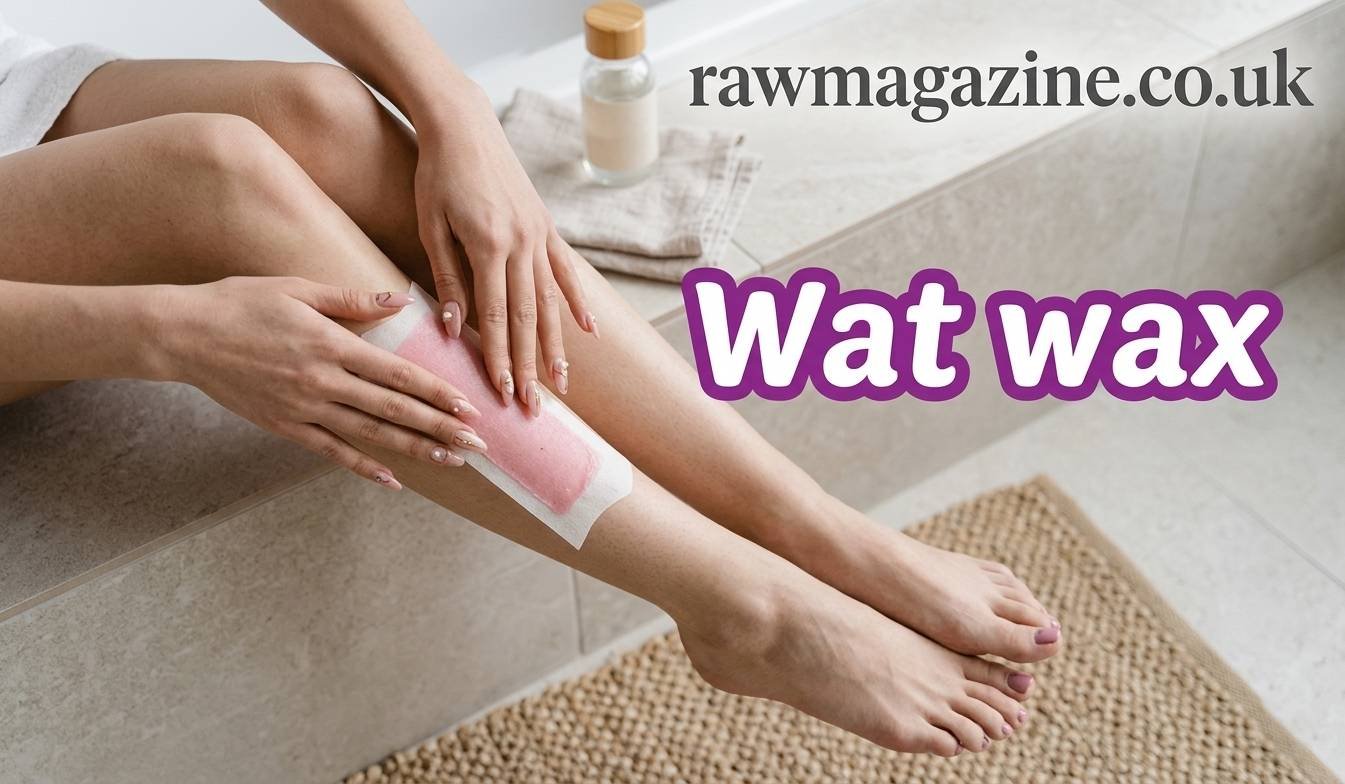
If you’ve ever wondered about Wat wax, you’re not alone. Many people encounter the term but aren’t quite sure what it refers to, how it’s used, or why it has gained attention in various industries. Wat wax generally refers to a specialized form of wax-like substance known for its soft texture, moldability, and wide range of applications—from cosmetics and skincare to industrial coatings and creative crafts. Unlike traditional hard waxes, this material often has a smoother consistency that makes it easier to shape, apply, and adapt to different uses.
Understanding Wat wax is valuable because wax-based materials play a surprisingly important role in everyday life. They protect surfaces, enhance beauty products, preserve materials, and even support artistic expression. When used correctly, wax can improve durability, add shine, and create protective layers that extend the lifespan of many items.
This guide explores everything you need to know about Wat wax, including its origins, properties, types, practical uses, benefits, and how to choose the right variety. By the end, you’ll have a clear understanding of how this versatile substance works and why it continues to be widely used across different fields.
What Is Wat Wax?
At its core, Wat wax is a wax-based compound designed to maintain a semi-soft texture while still providing the traditional benefits of wax. Unlike brittle wax blocks or extremely hard wax coatings, it often balances firmness with flexibility.
This flexibility makes the substance easier to apply and manipulate. For example, it can be spread smoothly onto surfaces, molded into shapes, or blended with other ingredients to create specialized products. Many formulations also include natural oils, resins, or synthetic stabilizers that influence texture and performance.
Historically, wax materials have been used for thousands of years. Ancient civilizations relied on beeswax for candles, sealing documents, and waterproofing materials. Over time, advancements in chemistry allowed manufacturers to create modified wax compounds with improved durability and usability. Wat wax represents one of these evolved forms, designed for modern applications.
Another defining feature is its adaptability. The same basic material can be used in cosmetics, polishing compounds, craft products, protective coatings, and even manufacturing processes. Because of this versatility, it has become a staple ingredient in several industries.
Key Characteristics of Wat Wax
The unique characteristics of Wat wax explain why it works so well in different contexts. These properties determine how the wax behaves during application and how it performs over time.
Physical Properties
Most wax compounds share similar structural characteristics, but the specific formulation of Wat wax usually results in a softer, creamier consistency.
| Property | Description | Why It Matters |
|---|---|---|
| Texture | Smooth and pliable | Easier application and shaping |
| Melting Point | Moderate temperature | Prevents rapid melting |
| Adhesion | Strong bonding ability | Sticks well to surfaces |
| Water Resistance | Repels moisture | Protects materials from damage |
These properties make the wax suitable for situations where both protection and flexibility are required.
Chemical Stability
Another important feature is chemical stability. Many wax compounds resist oxidation and environmental degradation. This allows them to maintain their protective qualities for extended periods.
Because of this stability, products containing Wat wax often last longer than those made with softer oils alone. The wax acts as a stabilizing framework that locks other ingredients into place.
Common Types of Wat Wax
Not all wax compounds are identical. Different versions of Wat wax are formulated to meet specific needs. Some prioritize softness and spreadability, while others emphasize durability or shine.
Natural Wax Blends
Natural wax blends typically combine beeswax, plant waxes, or other organic materials. These versions are often used in skincare products, candles, and handcrafted goods.
They tend to have a subtle natural scent and a gentle texture that works well on skin or delicate surfaces. Many people prefer natural formulations because they contain fewer synthetic additives.
Synthetic Wax Compounds
Synthetic versions are engineered to provide consistent performance. These waxes may include refined hydrocarbons or laboratory-developed materials designed for precision applications.
They’re commonly used in manufacturing processes where stability and repeatability are essential.
Hybrid Formulations
Hybrid waxes combine natural and synthetic ingredients to balance performance with flexibility. These blends often deliver better durability while maintaining a smooth texture.
| Wax Type | Main Ingredients | Typical Uses |
|---|---|---|
| Natural Blend | Beeswax, plant wax | Cosmetics, candles |
| Synthetic | Engineered wax polymers | Industrial coatings |
| Hybrid | Natural + synthetic mix | Polishing and craft materials |
Each type offers unique advantages depending on the intended application.
How Wat Wax Is Made
Producing Wat wax involves a careful blending process designed to achieve the desired texture and performance. While methods vary, the general manufacturing process follows several key steps.
Raw Material Selection
The process begins with selecting base waxes and complementary ingredients. Manufacturers may use beeswax, paraffin, carnauba wax, or specialized synthetic compounds.
Each ingredient contributes specific properties. For example, carnauba wax adds hardness and gloss, while beeswax provides flexibility and natural fragrance.
Heating and Blending
Once selected, the materials are gently heated until they melt. The molten waxes are then blended together in precise ratios.
During this stage, additives such as oils, pigments, or stabilizers may be incorporated. These components influence the final texture, color, and durability.
Cooling and Solidification
After blending, the wax mixture is cooled under controlled conditions. Slow cooling allows the molecules to arrange themselves in a stable structure.
This process ensures the wax maintains its semi-soft consistency rather than becoming brittle or overly sticky.
Practical Uses of Wat Wax
One of the biggest reasons Wat wax has gained attention is its wide range of practical uses. From everyday household tasks to specialized industries, the material continues to prove its versatility.
Skincare and Cosmetic Products
Wax-based compounds are frequently used in beauty products. They help create creams, balms, and lotions that stay stable and easy to apply.
In skincare, wax serves as a protective barrier that locks moisture into the skin. It also helps maintain product structure, preventing separation of oils and water-based ingredients.
Protective Surface Coatings
Many polishing and protective coatings rely on wax compounds. These coatings add shine while forming a barrier against moisture and environmental damage.
Furniture, leather goods, and wooden surfaces often benefit from wax treatments that enhance both appearance and durability.
Crafting and Art Projects
Artists and hobbyists frequently use wax for sculpting, casting, and decorative projects. The moldable texture allows creators to shape intricate details.
Because Wat wax remains pliable at moderate temperatures, it can be easily reworked during the creative process.
Industrial Applications
In manufacturing environments, wax compounds may act as lubricants, mold-release agents, or protective coatings during production processes.
These uses highlight the functional side of wax materials beyond consumer products.
Benefits of Using Wat Wax
Several advantages make Wat wax an appealing material across multiple industries. These benefits stem from its unique blend of flexibility, protection, and durability.
Surface Protection
Wax forms a thin layer that shields surfaces from moisture, dust, and minor abrasion. This protective barrier helps maintain the condition of materials over time.
Improved Appearance
Wax coatings often enhance shine and smoothness. This makes surfaces appear more polished and well-maintained.
Versatility
Few materials match the versatility of wax. The same compound can be used for cosmetic products, protective coatings, artistic projects, and industrial purposes.
Easy Application
Unlike rigid coatings, wax is relatively simple to apply and remove. It can be buffed, molded, or melted depending on the task.
| Benefit | Explanation |
|---|---|
| Protection | Shields materials from environmental damage |
| Aesthetic Improvement | Adds shine and smoothness |
| Adaptability | Works across multiple industries |
| Convenience | Easy to apply and maintain |
These advantages explain why wax compounds remain widely used even in modern technologies.
How to Choose the Right Wat Wax
Selecting the right version of Wat wax depends on understanding your specific needs. Different formulations work better for different tasks.
First, consider the intended application. Cosmetic products require gentle, skin-safe ingredients, while industrial coatings may prioritize durability.
Second, evaluate the texture. Softer waxes spread easily but may require more frequent reapplication. Harder blends last longer but can be harder to work with.
Finally, consider environmental conditions. Some waxes perform better in warmer climates, while others resist melting in high temperatures.
By considering these factors, users can select a formulation that delivers the best results for their situation.
Future Developments in Wax Technology
Wax technology continues to evolve as researchers develop new materials with enhanced performance.
Modern laboratories are exploring plant-derived waxes that offer improved sustainability. These materials aim to reduce reliance on petroleum-based ingredients while maintaining durability.
Another area of innovation involves microcrystalline wax blends. These specialized waxes provide stronger protective barriers and better adhesion.
As technology advances, new variations of Wat wax may emerge with even broader applications.
Conclusion
Wat wax is far more than a simple wax compound. Its unique combination of softness, flexibility, and protective properties makes it a valuable material in many industries. From skincare products and household polishing solutions to artistic creations and industrial processes, the versatility of wax continues to prove its importance.
Understanding the types, properties, and uses of Wat wax allows individuals and businesses to make better decisions about how to use it effectively. By selecting the right formulation and applying it correctly, users can enhance durability, improve appearance, and protect valuable materials.
As innovation continues to shape wax technology, new formulations will likely expand the possibilities even further. For anyone interested in practical materials that combine simplicity with functionality, wax remains one of the most reliable solutions available.
Frequently Asked Questions (FAQs)
1. What exactly is Wat wax used for?
Wat wax is used in various applications such as cosmetics, protective coatings, craft projects, and manufacturing processes. Its soft yet durable texture makes it suitable for many tasks.
2. Is Wat wax natural or synthetic?
It can be either. Some versions are made from natural ingredients like beeswax or plant waxes, while others are produced using synthetic compounds for specific industrial uses.
3. How long does wax protection typically last?
The lifespan depends on the type of wax and how it’s used. Protective coatings may last several weeks or months before needing reapplication.
4. Can wax be reused or reshaped?
Yes. Many wax compounds can be melted and reshaped multiple times without losing their basic properties.
5. Is wax safe for skin products?
When formulated for cosmetics, wax ingredients are generally safe and commonly used in lip balms, lotions, and creams.
-

 Entertainment2 months ago
Look2movie: A Deep Dive Into the Free Movie Streaming Phenomenon
-

 Celebrity2 months ago
Alynne Rooker: Craft, Influence, and a Modern Path
-

 Celebrity2 months ago
Elizabeth Hatcher-Travis: The Private Force Behind a Public Icon
-

 Celebrity2 months ago
Michel Sáenz Castro: A Thoughtful Look at the Name, Work, and Public Presence
-

 Tech2 months ago
QLCredit Explained: Smarter Credit Decisions Today
-

 Technology2 months ago
Nionenad: Meaning, Origins, and Its Growing Digital Presence
-

 Celebrity2 months ago
Dante Schreiber: Life, Identity, and Public Interest Explained
-

 Tech2 months ago
meaimee 3 Experience Guide for Smarter Conversations