
Health
Hothaylost: Understanding the Modern Feeling of Being Lost
Explore Hothaylost, the modern feeling of being lost, its causes, meaning, and how it can lead to clarity, growth, and purpose.


Introduction
Hothaylost is a word that instantly feels familiar, even if you’ve never seen it before. It captures that quiet, unsettling feeling of being lost in today’s fast-moving world—emotionally, mentally, or even directionally. In a time filled with constant noise, endless choices, and rising expectations, many people experience moments when they don’t know where they belong or what comes next. This article explores Hothaylost as a modern human experience, why it matters, how it shows up in daily life, and what can be done to navigate it with clarity and confidence.
By the end, you’ll understand where this feeling comes from, how it affects different areas of life, and why acknowledging it can actually become a turning point rather than a setback.
What Does Hothaylost Really Mean?
Hothaylost isn’t about being physically lost on a map. Instead, it describes a deeper state of disconnection. People often feel it when their inner compass no longer aligns with their external reality. Life keeps moving, yet direction feels unclear.
At its core, Hothaylost blends confusion, uncertainty, and emotional fatigue. It can appear quietly, without a dramatic trigger. One day, routines feel empty. Goals feel borrowed. Motivation fades. That’s usually when people realize they’re not lost in life—but lost within it.
Unlike traditional ideas of confusion, Hothaylost doesn’t demand immediate answers. It’s more like standing at a crossroads with too many signs pointing in different directions.
The Origins of Hothaylost in Modern Life
The rise of Hothaylost is closely tied to how modern life operates. Technology, social pressure, and nonstop comparison have changed how people define success and identity.
Earlier generations followed clearer paths. Today’s world offers endless possibilities but very little certainty. While choice is empowering, it also creates paralysis. When everything is possible, deciding what truly matters becomes harder.
Another factor is speed. Life rarely slows down enough for reflection. Without pauses, people drift. Over time, that drifting turns into a feeling of being unanchored, which is where Hothaylost takes root.
Key Areas Where Hothaylost Shows Up
Emotional and Mental Well-Being
Emotionally, Hothaylost often feels like low-level sadness mixed with restlessness. It’s not always intense enough to be called distress, yet it lingers. People may feel disconnected from joy or unsure why they feel dissatisfied despite “doing well.”
Mentally, it creates fog. Decisions feel heavier. Focus weakens. Even small choices become draining. This mental overload feeds the sense that something is off, even if it’s hard to name.
Career and Purpose
Work is one of the most common places where Hothaylost appears. Many people follow paths that once made sense but no longer feel aligned. Promotions, pay raises, or recognition don’t bring fulfillment anymore.
This doesn’t always mean the job is wrong. Sometimes it means personal values have changed. When growth happens internally but life stays the same, tension builds—and Hothaylost quietly settles in.
Relationships and Social Identity
Relationships can also trigger this feeling. People may feel surrounded yet unseen. Conversations feel shallow. Social roles feel forced. Over time, individuals may question whether they’re showing up as their authentic selves.
Hothaylost in relationships isn’t about isolation. It’s about misalignment between who someone is and how they’re perceived or expected to be.
A Snapshot of the Hothaylost Experience
| Aspect | How It Feels | Common Signs |
|---|---|---|
| Emotional | Empty or restless | Mood swings, low motivation |
| Mental | Foggy or overwhelmed | Overthinking, indecision |
| Directional | Uncertain or stalled | Questioning goals and identity |
This table shows how Hothaylost operates on multiple levels at once, making it hard to address with a single solution.
Why Hothaylost Isn’t a Personal Failure
One of the biggest misunderstandings about Hothaylost is that it means something is wrong with the person experiencing it. In reality, it’s often a sign of growth.
When people outgrow old beliefs, goals, or identities, discomfort follows. That discomfort isn’t failure—it’s transition. Just like Muscles ache before they strengthen, clarity often comes after confusion.
Seeing Hothaylost as a message rather than a flaw changes everything. It invites curiosity instead of self-judgment.
Cultural and Generational Perspectives
Different generations experience Hothaylost in unique ways. Younger adults may feel pressure to “figure everything out” early, while older individuals may feel lost after achieving goals that no longer satisfy them.
Culturally, societies that prioritize constant productivity often leave little room for exploration. When worth is tied to output, feeling lost can feel unacceptable. Yet across cultures, moments of disorientation often precede meaningful change.
Practical Ways People Navigate Hothaylost
Reflection Without Pressure
The first step isn’t fixing anything. It’s listening. Giving space to reflect without demanding immediate answers helps reduce inner resistance. Journaling, quiet walks, or honest conversations can surface insights naturally.
Redefining Success Personally
Many people feel Hothaylost because they’re chasing definitions of success that don’t belong to them. Rewriting those definitions based on values—not expectations—can restore direction.
Small Experiments, Not Big Leaps
Clarity rarely arrives through dramatic changes. It comes from small experiments. Trying new routines, learning skills, or exploring interests without commitment creates momentum without pressure.
Here’s a simple comparison:
| Approach | Outcome |
|---|---|
| Drastic life changes | Fear and overwhelm |
| Small intentional shifts | Confidence and clarity |
A Real-Life Example of Hothaylost
Consider someone who spent years building a stable career. On paper, everything looks perfect. Yet each morning feels heavier than the last. Weekends are spent recovering, not living.
Instead of quitting everything, they begin exploring creative hobbies, setting boundaries, and questioning long-held assumptions. Slowly, energy returns. Direction emerges. The feeling of Hothaylost doesn’t disappear overnight—but it transforms into curiosity.
That shift makes all the difference.
The Hidden Opportunity Inside Hothaylost
Hothaylost creates a pause. And pauses are powerful. They interrupt autopilot mode and force awareness. Without that interruption, people often live years on paths that don’t fit.
This state encourages deeper questions:
- What actually matters now?
- What no longer feels true?
- What deserves attention next?
Those questions don’t weaken life—they refine it.
Hothaylost Across Different Life Stages
Hothaylost isn’t limited to any age. Teenagers may feel it while forming identity. Adults experience it during career transitions. Older individuals may feel it after major life changes.
Each stage brings different triggers, yet the underlying message remains the same: something is ready to evolve.
Conclusion
Hothaylost is not a problem to eliminate but a signal to understand. It reflects the natural tension between who you were and who you’re becoming. By recognizing it without fear, people can turn uncertainty into insight and confusion into direction.
Instead of rushing for answers, allow space for exploration. Instead of judging the feeling, listen to it. Growth often begins exactly where certainty ends.
When approached with patience and honesty, Hothaylost becomes less about being lost—and more about finding something real.
Frequently Asked Questions (FAQs)
What is Hothaylost in simple terms?
Hothaylost describes a feeling of inner confusion or disconnection, often tied to purpose, identity, or direction in life.
Is Hothaylost a negative experience?
Not necessarily. While uncomfortable, it often signals growth or a need for change rather than failure.
Can Hothaylost happen even when life looks successful?
Yes. External success doesn’t always match internal fulfillment, which is a common trigger.
How long does Hothaylost usually last?
There’s no set timeline. It depends on self-reflection, life changes, and personal readiness for growth.
What’s the best first step when feeling Hothaylost?
Start by acknowledging the feeling without judgment and allowing time for reflection rather than forcing solutions.
Health
Tribupneu: Understanding a Concept Shaping Modern Systems
Tribupneu explains adaptive system behavior under pressure, highlighting balance, resilience, and flexibility across modern structures.

Introduction
In an era defined by rapid change and interconnected systems, Tribupneu has emerged as a concept that quietly influences how structures, processes, and interactions evolve. Although the term may sound unfamiliar at first, Tribupneu represents a broader idea tied to balance, pressure, adaptation, and collective function. It captures how different elements—whether mechanical, social, or conceptual—respond to internal and external forces while maintaining stability.
This article offers a deep, comprehensive exploration of Tribupneu. You’ll learn what Tribupneu means, where it applies, why it matters today, and how it influences thinking across multiple fields. Rather than limiting the discussion to a single domain, this guide explains Tribupneu as a flexible concept that adapts to different contexts. By the end, you’ll understand why Tribupneu is increasingly relevant in modern conversations about systems, resilience, and coordinated movement.
What Is Tribupneu?
Tribupneu can be described as a principle that combines interaction, pressure, and responsiveness within a system. The term reflects how components work together under varying conditions, adjusting to maintain function rather than breaking down.
Unlike rigid frameworks, Tribupneu emphasizes adaptability. It recognizes that pressure is not always destructive. When managed correctly, pressure can strengthen systems, improve coordination, and encourage innovation.
Tribupneu is not limited to physical systems. While it may evoke mechanical or structural imagery, its relevance extends to organizational behavior, social dynamics, and even conceptual models of cooperation.
Tribupneu Overview
| Aspect | Description |
|---|---|
| Core Idea | Adaptive response under pressure |
| Nature | Dynamic and responsive |
| Application Scope | Mechanical, social, conceptual |
| Key Value | Balance and resilience |
| Outcome | Sustained functionality |
The Origins and Evolution of Tribupneu
The idea behind Tribupneu did not arise overnight. It evolved from observations of how systems behave when subjected to stress. Early interpretations focused on physical responses—how materials or mechanisms adjust under load.
Over time, thinkers began applying the same logic to non-physical systems. Organizations, communities, and even ideas were seen to follow similar patterns. When pressure increases, systems either adapt or fail.
Tribupneu emerged as a way to describe successful adaptation. It highlights the importance of flexibility and coordination rather than resistance alone.
Why Tribupneu Matters in Today’s World
Modern environments are rarely stable. Economic shifts, technological change, and social complexity create constant pressure. Tribupneu matters because it provides a framework for understanding how systems can survive and thrive under these conditions.
Instead of viewing pressure as a threat, Tribupneu reframes it as a signal. Pressure reveals weaknesses, encourages adjustment, and drives improvement.
This perspective is especially valuable in a world where static solutions quickly become outdated.
Tribupneu as a Systems-Based Concept
At its heart, Tribupneu is about systems thinking. It emphasizes relationships rather than isolated components.
In a Tribupneu-oriented system, no element functions entirely on its own. Each part responds to others, creating a feedback loop that supports overall balance.
This interconnected approach helps explain why small changes can have significant effects. When systems are tightly linked, adaptation in one area influences the whole.
Tribupneu in Mechanical and Structural Contexts
In mechanical systems, Tribupneu can be observed in designs that account for pressure and movement. Components are built to flex, absorb force, and redistribute load.
Rather than resisting all pressure, these systems use it constructively. Shock absorbers, flexible joints, and adaptive materials all reflect Tribupneu principles.
This approach increases durability. Systems designed with Tribupneu in mind are less likely to fail catastrophically.
Mechanical Comparison
| Design Approach | Behavior Under Pressure |
|---|---|
| Rigid structure | Breaks or deforms |
| Flexible system | Adjusts and stabilizes |
| Tribupneu-based | Adapts and improves |
Tribupneu in Organizational Structures
Organizations also experience pressure. Deadlines, competition, and change test internal structures constantly. Tribupneu helps explain why some organizations adapt while others collapse.
A Tribupneu-informed organization distributes pressure rather than concentrating it. Teams communicate, roles adjust, and processes evolve.
This adaptability creates resilience. Instead of resisting change, the organization learns from it and adjusts accordingly.
Social Dynamics and Tribupneu
Human groups reflect Tribupneu through collective behavior. Communities under stress often reorganize, forming new support structures.
For example, during crises, informal networks emerge to share resources and information. These responses demonstrate Tribupneu in action—adaptive coordination under pressure.
Understanding this helps policymakers and leaders design systems that support, rather than suppress, natural adaptation.
Psychological Dimensions of Tribupneu
On an individual level, Tribupneu relates to how people respond to stress. Psychological resilience reflects the same principles seen in larger systems.
Rather than avoiding all pressure, individuals grow by adapting to challenges. Healthy coping strategies allow people to absorb stress and adjust behavior.
Tribupneu reminds us that growth often occurs at the edge of comfort, where adaptation is required.
Tribupneu and Innovation
Innovation thrives under pressure. Constraints force creative thinking, and limitations encourage new approaches.
Tribupneu explains why innovation often emerges during challenging periods. Systems adapt by reconfiguring existing elements in new ways.
This pattern appears across industries. When conditions change, successful innovators respond with flexibility rather than resistance.
Innovation Through Pressure
| Condition | System Response |
|---|---|
| Stability | Incremental improvement |
| Moderate pressure | Creative adaptation |
| Extreme rigidity | Failure or stagnation |
Misconceptions About Tribupneu
One common misconception is that Tribupneu promotes constant stress. In reality, it emphasizes balance. Excessive pressure without recovery leads to failure.
Another misunderstanding is equating Tribupneu with chaos. While adaptation may look messy, it follows internal logic driven by system needs.
Clarifying these misconceptions helps people apply Tribupneu thoughtfully rather than reactively.
Practical Applications of Tribupneu Thinking
Tribupneu can be applied intentionally. Leaders, designers, and individuals can use its principles to improve outcomes.
Two practical applications include:
- Designing systems with flexibility rather than rigidity
- Encouraging feedback and adjustment rather than fixed rules
These approaches help systems respond gracefully to change.
Case Example: Tribupneu in Action
Consider a small company facing sudden market changes. A rigid structure might collapse under pressure. A Tribupneu-oriented company reallocates roles, adjusts goals, and experiments with new approaches.
The result isn’t immediate perfection, but continued operation and gradual improvement. This realignment reflects Tribupneu principles at work.
The Long-Term Value of Tribupneu
Tribupneu is not a quick fix. Its value lies in long-term resilience. Systems designed with adaptation in mind endure longer and recover faster.
This applies equally to machines, organizations, and individuals. Over time, adaptability becomes a competitive and survival advantage.
Tribupneu encourages thinking beyond immediate outcomes toward sustainable function.
Tribupneu and Future Systems
As systems grow more complex, Tribupneu will become increasingly relevant. Interconnected technologies, global networks, and social structures demand flexible design.
Future systems will need to respond to unpredictable pressures. Tribupneu offers a mindset for building that responsiveness into the foundation.
Rather than seeking perfect stability, future designs will embrace controlled adaptation.
Conclusion
Tribupneu offers a powerful way to understand how systems behave under pressure. By focusing on adaptability, balance, and coordination, it reframes stress as an opportunity rather than a threat. From mechanical design and organizational resilience to social behavior and personal growth, Tribupneu provides insight into why some systems endure while others fail.
The key takeaway is clear: flexibility sustains function. By applying Tribupneu principles thoughtfully, Individuals and organizations can navigate change with confidence. In a world defined by constant pressure, Tribupneu is not just relevant—it’s essential.
Frequently Asked Questions (FAQs)
What does Tribupneu mean?
Tribupneu refers to adaptive system behavior under pressure, emphasizing balance, flexibility, and coordinated response.
Is Tribupneu limited to mechanical systems?
No, it applies broadly to organizations, social groups, and even individual behavior.
Does Tribupneu encourage stress?
It doesn’t promote excessive stress, but focuses on healthy adaptation to manageable pressure.
Why is Tribupneu important today?
Because modern systems face constant change, and adaptability determines long-term success.
Can Tribupneu be applied intentionally?
Yes, by designing flexible structures and encouraging feedback and adjustment.
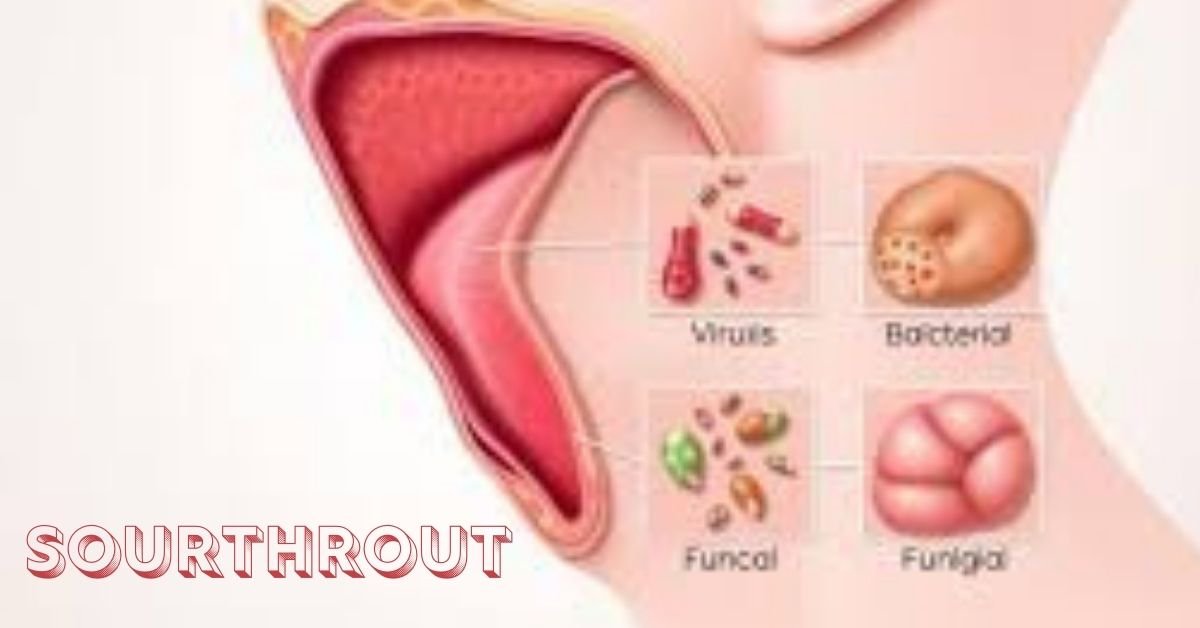
A sourthrout can creep in quietly or hit you overnight, making swallowing, speaking, and even breathing feel uncomfortable. Most people experience it several times a year, yet many still feel unsure about what actually helps. Within the first day, irritation can affect energy, sleep, and focus. Understanding what your body is reacting to makes relief easier and recovery faster. This guide breaks it down in a clear, practical way.
Understanding Throat Discomfort and Irritation
Throat irritation usually begins when the delicate lining inside your throat becomes inflamed. This can happen due to dryness, infection, or environmental triggers. The discomfort may feel scratchy, raw, or burning, especially when swallowing. These sensations are your body’s early warning system, signaling that something is stressing the tissue and needs attention.
Many people assume all throat pain means infection, but that is not always true. Irritation can occur without bacteria or viruses being involved at all. Dry indoor air, dehydration, or even extended talking can strain throat muscles. Recognizing these non-infectious causes prevents unnecessary medication and helps you choose more effective relief strategies.
Paying attention to how the discomfort feels can offer clues. Sharp pain, gradual soreness, or a tight feeling often point to different triggers. When you understand these signals, you stop guessing and start responding appropriately. That awareness alone often shortens recovery time and reduces frustration.
Will You Check This Article: Sinpcity Explained: Culture, Meaning, and Modern Impact
Common Causes You Might Overlook
Seasonal changes are a major contributor to throat problems. Cold weather often dries indoor air, while pollen-heavy seasons irritate sensitive tissues. These shifts can cause inflammation even if you feel otherwise healthy. Many people miss this connection and treat symptoms without addressing the environment causing them.
Acid reflux is another overlooked factor. Stomach acid traveling upward can irritate the throat, especially at night. You might wake up sore without any cold symptoms. This type of irritation often improves by adjusting meal timing, portion sizes, and sleeping position rather than using typical cold remedies.
Lifestyle habits also play a role. Smoking, alcohol, and excessive caffeine can dry out the throat lining. Even talking loudly for long periods strains muscles and tissues. When these habits combine, irritation becomes more frequent and longer lasting, making simple discomfort feel like a recurring problem.
How Infections Affect the Throat
Viral infections are one of the most common reasons people develop throat pain. Colds and flu cause inflammation as the immune system responds to the virus. This process leads to swelling, redness, and soreness that can last several days. Antibiotics do not help here, so rest and supportive care matter most.
Bacterial infections, though less common, tend to cause more intense pain. Fever, swollen glands, and difficulty swallowing often accompany them. These infections usually require medical evaluation because targeted treatment can prevent complications and speed recovery when used correctly.
The key difference lies in progression. Viral discomfort often improves gradually, while bacterial pain may worsen quickly. Knowing this helps you decide when home care is enough and when professional advice is necessary. Acting at the right time reduces both discomfort and unnecessary worry.
Daily Habits That Support Healing
Hydration is one of the simplest yet most powerful tools for throat recovery. Fluids keep the lining moist, reduce irritation, and help flush out irritants. Warm drinks can be especially soothing, as they relax throat muscles and improve blood flow to inflamed areas.
Resting your voice also plays a critical role. Talking less gives strained tissues time to heal. Whispering actually strains the throat more, so speaking softly or staying quiet works better. Small changes like this can noticeably reduce soreness within a day or two.
Sleep quality matters more than people realize. Deep rest supports immune function and tissue repair. Sleeping with your head slightly elevated can reduce irritation caused by postnasal drip or reflux. These everyday adjustments may feel minor, but together they significantly speed up healing.
Home Remedies That Actually Work
Saltwater gargling remains effective because it reduces swelling and helps clear irritants. The solution draws excess fluid from inflamed tissues, easing discomfort naturally. Many people notice relief after just a few sessions, especially when done consistently throughout the day.
Steam inhalation is another practical option. Warm, moist air hydrates the throat and loosens mucus that can cause irritation. This is especially helpful in dry climates or during winter months when indoor heating strips moisture from the air.
Honey is often recommended for good reason. Its thick texture coats the throat, providing temporary relief, while its natural properties may support healing. Taken alone or mixed into warm tea, it can calm irritation and make swallowing more comfortable without harsh side effects.
When a Sourthrout Needs Attention
A sourthrout that lasts longer than a week deserves closer attention. Persistent pain may signal an underlying issue such as chronic reflux, allergies, or repeated infection. Ignoring ongoing discomfort can allow minor problems to develop into more complex conditions over time.
Severe symptoms are another warning sign. Difficulty breathing, high fever, or trouble swallowing should never be ignored. These signs suggest that inflammation may be affecting surrounding structures and requires prompt evaluation by a healthcare professional.
Listening to your body is essential. If pain disrupts sleep or daily activities, it is no longer minor. Seeking help early often leads to faster relief and prevents unnecessary complications. Medical guidance can also rule out issues that home remedies cannot address alone.
Sourthrout Preventing Future Throat Problems
Sourthrout Prevention starts with awareness of triggers. Identifying whether dry air, allergens, or dietary habits affect you allows targeted changes. Simple steps like using a humidifier or adjusting meal timing can dramatically reduce irritation frequency.
Strengthening overall immunity also helps. Balanced nutrition, adequate sleep, and stress management support your body’s natural defenses. When your immune system is strong, it responds faster and more effectively to irritation or infection.
Consistency is key. Preventive habits only work when practiced regularly. Small daily choices add up, reducing how often discomfort appears and how severe it becomes. Over time, prevention feels less like effort and more like a natural routine.
Conclusion
A sourthrout is rarely just random discomfort. It reflects how your body responds to irritation, infection, or daily habits. When you understand the causes and respond with simple, consistent care, recovery becomes smoother and faster. Paying attention early, supporting healing, and preventing triggers can reduce how often this problem disrupts your life. With the right approach, relief is usually closer than you think.
Read More: Parkmagazineny.co.uk
Health
How to Keep Dudokkidzo Happy, Healthy, and Thriving Daily
Learn how to keep dudokkidzo healthy and happy with practical care tips, routines, environment setup, and long-term guidance for confident caretaking.

Introduction
Learning how to keep dudokkidzo isn’t just about following a checklist—it’s about building a thoughtful, balanced routine that supports a unique companion’s physical comfort, emotional stability, and long-term well-being. Whether you’re new to dudokkidzo care or looking to refine what you already do, this guide walks you through everything that truly matters. From understanding what a dudokkidzo needs to creating the right environment, daily habits, and long-term planning, you’ll gain practical insight that works in real life. By the end, you’ll feel confident, prepared, and genuinely connected to your dudokkidzo’s care journey.
Understanding What a Dudokkidzo Is
Before diving into how to keep dudokkidzo properly, it’s important to understand what makes a dudokkidzo unique. A dudokkidzo is often described as a small, highly adaptive companion known for its sensitivity to surroundings, routines, and human interaction. While interpretations vary across cultures and communities, most agree that dudokkidzos thrive on consistency, gentle care, and attentive observation.
Unlike low-maintenance companions, Dudokkidzos respond deeply to changes in environment and energy. That’s not a drawback—it’s a feature. It means they can bond strongly and flourish when cared for intentionally.
Quick Dudokkidzo Overview
| Attribute | Details |
|---|---|
| Temperament | Calm, curious, emotionally aware |
| Activity Level | Moderate, routine-based |
| Sensitivity | High (sound, light, handling) |
| Lifespan Range | Long-term with proper care |
| Ideal Care Style | Consistent, gentle, observant |
This foundational understanding shapes every decision you’ll make moving forward.
Why Proper Dudokkidzo Care Truly Matters
Keeping a dudokkidzo isn’t about control; it’s about stewardship. When care is inconsistent or rushed, dudokkidzos can become withdrawn, stressed, or physically unwell. On the other hand, mindful care encourages trust, resilience, and long-lasting vitality.
Many first-time caretakers underestimate how deeply a dudokkidzo mirrors its environment. Loud spaces, irregular schedules, or neglecting emotional cues can lead to subtle but serious issues over time. Knowing how to keep dudokkidzo well means recognizing that small daily choices add up fast.
Think of dudokkidzo care like tending a delicate garden. Miss one day, and nothing happens. Miss weeks, and the damage becomes visible.
Creating the Ideal Living Environment
A dudokkidzo’s environment sets the tone for its entire life. This is where thoughtful design matters more than expensive setups.
Space, Light, and Temperature Balance
Dudokkidzos prefer spaces that feel safe, predictable, and softly stimulating. Too much noise or harsh lighting can overwhelm them, while spaces that are too dull may cause lethargy.
Natural light filtered through curtains works best. Temperature should remain steady, avoiding sudden shifts that may cause stress responses.
Environmental Setup Essentials
| Element | Recommended Approach |
|---|---|
| Lighting | Soft, indirect, consistent |
| Temperature | Stable, moderate range |
| Noise Level | Low to moderate |
| Rest Area | Quiet, slightly enclosed |
| Exploration Area | Open but uncluttered |
Avoid rearranging their space too often. Familiarity builds comfort faster than novelty.
Feeding and Nutrition: More Than Just Food
One of the most misunderstood parts of how to keep dudokkidzo healthy is nutrition. Feeding isn’t only about what they consume—it’s about when, how, and in what emotional state.
Balanced Feeding Rhythms
Dudokkidzos respond best to routine-based feeding schedules. Irregular timing can cause digestive stress or behavioral changes. Portion size matters too; overfeeding often shows symptoms slowly, making it easy to miss early signs.
Whenever possible, feed in a calm environment. Avoid distractions. Dudokkidzos associate peaceful feeding with safety.
Common Feeding Mistakes to Avoid
- Sudden diet changes without transition
- Feeding during high-noise periods
Small, thoughtful adjustments often outperform dramatic changes.
Emotional Care and Bonding Techniques
Dudokkidzos may be small, but their emotional depth is significant. Understanding this is essential when learning how to keep dudokkidzo truly content.
Building Trust Through Presence
You don’t need constant interaction. You need consistent, respectful presence. Dudokkidzos bond through predictable behaviors—gentle handling, calm voice tones, and unhurried movements.
Even sitting quietly nearby can strengthen trust. Over time, your dudokkidzo will begin to recognize you as part of its safe space.
Signs of Emotional Well-Being
| Indicator | What It Suggests |
|---|---|
| Calm resting posture | Comfort and trust |
| Curious exploration | Emotional security |
| Consistent routines | Low stress levels |
| Gentle responsiveness | Healthy bonding |
Never force interaction. Consent matters, even with companions that can’t speak.
Daily Care Routines That Actually Work
Daily routines are the backbone of long-term dudokkidzo care. The goal isn’t perfection—it’s reliability.
Morning checks, gentle cleaning, Feeding, and brief interaction sessions help establish rhythm. Evening routines should signal calmness and rest. Dudokkidzos notice patterns more than individual actions.
If you ever feel overwhelmed, simplify rather than skip. Consistency beats complexity every time.
Health Monitoring and Preventive Care
Knowing how to keep dudokkidzo well includes recognizing subtle changes before they escalate.
Early Warning Signs
Behavioral shifts often appear before physical symptoms. Reduced curiosity, unusual stillness, or avoidance behaviors deserve attention. These signs don’t always mean something is wrong, but they do mean something has changed.
Regular observation—rather than constant intervention—is the healthiest approach.
Preventive Care Checklist
| Area | Frequency |
|---|---|
| Behavior observation | Daily |
| Environment review | Weekly |
| Physical condition check | Weekly |
| Routine adjustment | As needed |
Prevention is less stressful for both you and your dudokkidzo than reactive care.
Adapting Care as Dudokkidzo Grows
Dudokkidzos evolve over time. What works early on may need adjustment later. Growth can bring changes in energy levels, preferences, and sensitivity.
Remain flexible. Reassess routines every few months and adjust gently. Sudden overhauls can cause unnecessary stress.
Long-term caretakers often describe this phase as a partnership rather than a responsibility—and that mindset shift makes all the difference.
Common Myths About Dudokkidzo Care
Many caretakers struggle because of misleading assumptions. Let’s clear a few up.
Some believe dudokkidzos need constant stimulation. They don’t. They need balanced stimulation. Others assume independence means neglect is fine. It’s not.
The most harmful myth is that dudokkidzos “Adapt to anything.” In reality, they adapt outwardly while internal stress builds quietly. Awareness prevents that.
Real-Life Case Insight
One caretaker noticed their dudokkidzo becoming unusually inactive. Instead of changing everything at once, they observed closely. The issue turned out to be a small but consistent noise source introduced weeks earlier. Once removed, behavior normalized within days.
This highlights a core truth of how to keep dudokkidzo: small environmental factors matter more than dramatic interventions.
Conclusion
Understanding how to keep dudokkidzo is about patience, observation, and intentional care. From creating a stable environment and maintaining consistent routines to nurturing emotional bonds and monitoring subtle changes, every element works together. Dudokkidzos thrive when treated as responsive companions rather than passive responsibilities.
When you commit to thoughtful, steady care, you’re not just maintaining health—you’re building trust, longevity, and genuine connection. Start simple, stay consistent, and let your dudokkidzo grow alongside you with confidence and calm.
Frequently Asked Questions (FAQs)
1. How long does it take for a dudokkidzo to adjust to a new environment?
Most dudokkidzos begin adjusting within two to three weeks if routines remain consistent and calm.
2. Can dudokkidzos handle schedule changes?
Minor changes are fine, but frequent or sudden shifts can cause stress-related behaviors.
3. How much interaction does a dudokkidzo need daily?
Short, calm interactions are better than long, overstimulating ones. Quality matters more than quantity.
4. What’s the biggest mistake new caretakers make?
Overhandling or constantly changing routines, thinking it improves bonding.
5. Is it normal for dudokkidzos to become quieter over time?
Yes, many become calmer as they feel secure, which is often a sign of comfort.
-

 Tech2 weeks ago
QLCredit Explained: Smarter Credit Decisions Today
-

 Tech2 weeks ago
Escapamento RD: Performance, Sound, and Riding Feel
-

 Tech2 weeks ago
Trucofax: Understanding Its Role and Impact
-

 Tech2 weeks ago
meaimee 3 Experience Guide for Smarter Conversations
-

 Tech2 weeks ago
Repmold Manufacturing Guide for Modern Product Teams
-

 Entertainment2 weeks ago
Ciulioneros Culture and Meaning in Modern Communities
-

 Fashion & Lifestyle2 weeks ago
Viltnemnda: Understanding Its Role and Importance in Decision-Making
-

 Business2 weeks ago
sofoximmo Smart Property Search Made Simple