
Technology
Ninawelshlass1 Explained: Meaning, Identity, and Impact


Introduction
In a digital world filled with usernames, identities, and evolving online personas, Ninawelshlass1 stands out as a unique and intriguing term. Whether it represents a personal brand, an online identity, or a creative expression, Ninawelshlass1 reflects how individuals shape their presence across platforms and communities. Understanding this term goes beyond simple definition—it opens a window into how modern identity, storytelling, and connection are formed in today’s interconnected environment.
This in-depth guide explores Ninawelshlass1 from every angle. You’ll learn what it could represent, how such identities function, their broader significance, and how they influence both individuals and audiences. By the end, you’ll have a clear understanding of why Ninawelshlass1 matters and how it fits into the evolving digital landscape.
What Is Ninawelshlass1?
Ninawelshlass1 can be interpreted as a distinctive digital identity or username, often used across online platforms, communities, or creative spaces. It combines personal expression with a structured naming format, making it both memorable and meaningful.
At its core, Ninawelshlass1 represents individuality. The name suggests a blend of personal identity (“Nina,” “Welsh,” “lass”) along with a numeric element that adds uniqueness. This type of naming is common in digital environments where users aim to stand out while maintaining a sense of authenticity.
Key Information About Ninawelshlass1
| Attribute | Details |
|---|---|
| Type | Digital identity / username |
| Core Purpose | Personal branding and recognition |
| Common Usage | Social platforms, forums, creative spaces |
| Flexibility | High |
| Key Strength | Unique and memorable identity |
The Meaning Behind Ninawelshlass1
Understanding Ninawelshlass1 requires breaking down its components. Each part of the name can carry significance, contributing to a broader identity.
Personal Identity Elements
The name “Nina” suggests a personal or first-name identity, while “Welsh lass” may indicate cultural or regional pride. Together, these elements create a sense of personality and storytelling.
This type of naming allows users to express who they are, where they come from, or how they want to be perceived.
The Role of Numbers
The addition of “1” at the end serves an important purpose. It ensures uniqueness, especially in environments where similar names may already exist. It also adds a modern, digital touch to the identity.
Why Digital Identities Like Ninawelshlass1 Matter
Digital identities are more than just names—they are representations of individuals in online spaces. Ninawelshlass1 reflects how people build and maintain their presence across platforms.
Building Recognition
A consistent and unique name helps users become recognizable. Over time, Ninawelshlass1 could develop into a recognizable identity within specific communities or audiences.
Creating Connection
Names like Ninawelshlass1 can create a sense of familiarity. They allow others to connect with the person behind the name, fostering engagement and interaction.
Expressing Individuality
In a crowded digital environment, standing out is important. Ninawelshlass1 achieves this by combining personal elements with a unique structure.
How Ninawelshlass1 Functions Across Platforms
Digital identities often extend across multiple platforms, and Ninawelshlass1 is no exception. Its versatility allows it to adapt to different contexts.
Social Platforms
On social platforms, Ninawelshlass1 might represent a personal profile, content creator, or influencer. The name becomes a brand that audiences recognize.
Creative Communities
In creative spaces, the name could be associated with art, writing, or other forms of expression. It acts as a signature that ties content together.
Professional Use
Even in professional settings, unique identifiers like Ninawelshlass1 can be used to build a personal brand or portfolio.
Comparing Ninawelshlass1 With Generic Usernames
To understand its value, it’s helpful to compare Ninawelshlass1 with more generic naming approaches.
| Feature | Ninawelshlass1 | Generic Usernames |
|---|---|---|
| Uniqueness | High | Low |
| Memorability | Strong | Weak |
| Personal Expression | Clear | Limited |
| Brand Potential | High | Minimal |
This comparison shows why unique identities like Ninawelshlass1 are more effective in building recognition.
Benefits of Using a Name Like Ninawelshlass1
Choosing a distinctive identity offers several advantages.
Strong Personal Branding
A name like Ninawelshlass1 helps create a consistent image across platforms. This makes it easier for others to recognize and remember.
Versatility
The name can be used in different contexts without losing its meaning. Whether in casual or professional settings, it remains relevant.
Enhanced Engagement
Unique names often attract attention. They encourage curiosity and interaction, which can lead to stronger connections.
Challenges and Considerations
While Ninawelshlass1 offers many benefits, there are also challenges to consider.
Maintaining Consistency
Using the same identity across platforms requires effort. Inconsistency can reduce recognition and impact.
Privacy Concerns
Including personal elements in a name may raise privacy considerations. Users should balance expression with security.
Long-Term Relevance
As interests and goals change, a name like Ninawelshlass1 may need to evolve to remain relevant.
Future Potential of Identities Like Ninawelshlass1
The importance of digital identities continues to grow. Names like Ninawelshlass1 are becoming central to how individuals interact and present themselves.
Emerging Trends
| Trend | Impact on Identities Like Ninawelshlass1 |
|---|---|
| Personal branding growth | Greater importance of unique names |
| Online communities | Stronger identity recognition |
| Content creation rise | Increased visibility and engagement |
These trends suggest that unique identities will play an even larger role in the future.
Tips for Creating a Strong Identity Like Ninawelshlass1
If you’re inspired by Ninawelshlass1, here are some practical tips:
- Combine personal elements with creativity
- Keep the name simple but distinctive
- Ensure consistency across platforms
These steps can help you build a strong and memorable identity.
Real-World Analogy: Ninawelshlass1 as a Digital Signature
Think of Ninawelshlass1 as a digital signature. Just as a handwritten signature represents a person in the physical world, this name represents them online. The more consistent and recognizable it is, the stronger its impact becomes.
Conclusion
Ninawelshlass1 is more than just a username—it’s a reflection of modern identity, creativity, and connection. Throughout this article, we explored its meaning, features, applications, and significance in today’s digital landscape.
The key takeaway is clear: unique identities like Ninawelshlass1 play a vital role in how individuals express themselves and connect with others. They provide recognition, build relationships, and create Opportunities for growth.
As digital spaces continue to evolve, embracing a strong and meaningful identity can make a lasting difference. Whether for personal use or broader engagement, Ninawelshlass1 represents the power of individuality in a connected world.
Frequently Asked Questions (FAQs)
1. What does Ninawelshlass1 mean?
Ninawelshlass1 is a unique digital identity that combines personal elements with a numeric suffix to create a distinctive and memorable username.
2. Where can Ninawelshlass1 be used?
It can be used across social platforms, creative communities, and professional environments as a personal or brand identity.
3. Why is Ninawelshlass1 important?
It helps build recognition, express individuality, and create connections in digital spaces.
4. Can beginners create similar identities?
Yes, anyone can create a unique identity by combining personal elements with creativity and consistency.
5. Is Ninawelshlass1 suitable for branding?
Absolutely. Its uniqueness and memorability make it suitable for personal branding and online presence.

Introduction
In today’s fast-changing world, new terms and concepts often emerge that reshape how we think, act, and make decisions. One such intriguing concept is Dettery. While it may sound unfamiliar at first, Dettery plays a subtle yet powerful role in influencing human behavior, decision-making, and systems across various domains. From personal habits to large-scale societal frameworks, Dettery reflects the idea of discouragement, prevention, or controlled restraint in action.
This article explores Dettery in depth—what it truly means, how it works in different contexts, and why it matters more than ever. By the end, you’ll not only understand Dettery but also learn how to apply its principles effectively in everyday life, business strategies, and broader systems.
What Is Dettery? A Clear Explanation
Dettery can be understood as the act or mechanism of discouraging certain behaviors, actions, or outcomes through influence, consequence, or perception. It is closely tied to prevention and control, often operating subtly rather than forcefully.
Unlike direct enforcement, Dettery works by shaping expectations. For example, when a person avoids speeding because of potential fines, that behavior is guided by Dettery. It’s not just about punishment—it’s about anticipation.
Key Characteristics of Dettery
| Aspect | Description |
|---|---|
| Preventive Nature | Focuses on stopping actions before they occur |
| Psychological | Influences thoughts, fears, or expectations |
| Subtle Impact | Often works indirectly rather than through direct control |
| Broad Application | Can apply to individuals, organizations, or entire societies |
Dettery is not limited to one field. It spans psychology, law, education, Technology, and even personal development.
The Core Principles Behind Dettery
To fully understand Dettery, it helps to break it down into its foundational principles. These principles explain why it works and how it influences behavior.
Perception of Consequences
At its heart, Dettery relies on how people perceive outcomes. If a consequence feels significant enough, it discourages action. Interestingly, the perceived consequence often matters more than the actual one.
For instance, a student may avoid cheating not just because of punishment, but because of fear of being caught or losing reputation.
Consistency and Predictability
Dettery is strongest when outcomes are consistent. If consequences are unpredictable, the effect weakens. People need to believe that a certain action will reliably lead to a specific result.
This is why systems with clear rules and consistent enforcement tend to be more effective.
Visibility and Awareness
Awareness amplifies Dettery. When people know that consequences exist, they are more likely to adjust their behavior. Visibility—like warning signs or policies—plays a critical role.
Think about CCTV cameras. Even if they’re not always monitored, their presence alone can influence behavior.
Dettery in Everyday Life
Dettery isn’t just a theoretical idea—it’s part of daily life. You encounter it more often than you might realize.
Personal Habits and Self-Control
When you avoid junk food to maintain health, that’s Dettery in action. You’re discouraging a behavior by focusing on its long-term consequences.
Similarly, setting alarms, reminders, or personal rules are forms of self-imposed Dettery.
Social Behavior
Society functions smoothly because of shared expectations. People follow norms not just because they want to, but because of social Dettery—fear of judgment, exclusion, or criticism.
For example:
- Dressing appropriately in public settings
- Following etiquette during conversations
These behaviors are guided by subtle social pressures rather than strict enforcement.
Dettery in Business and Organizations
Organizations rely heavily on Dettery to maintain structure, efficiency, and accountability.
Workplace Policies
Rules around attendance, deadlines, and conduct are designed to discourage undesirable behavior. These policies don’t just punish—they guide employees toward better practices.
For instance, performance reviews often act as a deterrent against poor performance while encouraging growth.
Risk Management
Companies use Dettery to reduce risks. By setting clear consequences for violations, they minimize chances of errors, fraud, or misconduct.
| Area | Dettery Application Example |
|---|---|
| Finance | Strict auditing discourages fraud |
| HR | Policies prevent workplace harassment |
| Operations | Safety rules reduce accidents |
Customer Behavior
Even businesses apply Dettery to customers. Late fees, return policies, and service limitations all guide customer actions in predictable ways.
Dettery in Law and Governance
One of the most visible applications of Dettery is in legal systems. Laws are not just rules—they are structured deterrents.
Criminal Justice Systems
Legal frameworks rely on Dettery to prevent crime. The idea is simple: if consequences are severe enough, individuals will think twice before committing offenses.
However, effectiveness depends on:
- Certainty of enforcement
- Speed of consequences
- Public awareness
Public Policies
Governments also use Dettery in policies like taxation, environmental regulations, and public safety laws.
For example, fines for pollution discourage harmful industrial practices. Similarly, penalties for traffic violations promote safer roads.
Psychological Aspects of Dettery
Dettery is deeply rooted in human psychology. Understanding this aspect reveals why it works so effectively.
Fear vs Rational Thinking
While fear is a major driver, Dettery also appeals to rational decision-making. People weigh risks and rewards before acting.
Interestingly, emotional responses often outweigh logical reasoning. A strong emotional reaction can amplify deterrence even if the actual risk is low.
Habit Formation
Repeated exposure to Dettery can shape habits. Over time, people internalize behaviors and no longer need external triggers.
For example, someone who consistently avoids procrastination due to past consequences eventually develops discipline naturally.
Advantages and Limitations of Dettery
Like any concept, Dettery has both strengths and weaknesses.
Advantages
| Benefit | Explanation |
|---|---|
| Preventive Approach | Stops issues before they occur |
| Cost-Effective | Reduces need for constant enforcement |
| Scalable | Works across individuals, groups, and systems |
Limitations
Dettery is not foolproof. It depends heavily on perception and consistency. If people believe consequences are unlikely, its impact fades.
Additionally, excessive reliance on Dettery can create fear-based environments, which may reduce creativity and trust.
Real-World Example: Dettery in Action
Consider a city implementing strict traffic laws. Initially, accidents are frequent. Authorities introduce heavy fines, visible surveillance, and awareness campaigns.
Within months:
- Drivers become more cautious
- Accident rates drop significantly
- Public perception shifts toward safer behavior
This is Dettery working at multiple levels—legal, psychological, and social.
How to Apply Dettery Effectively
Understanding Dettery is one thing, but applying it correctly makes all the difference.
Focus on Clarity
People need to understand what is expected and what consequences exist. Clear communication strengthens Dettery.
Balance Is Key
Too little Dettery leads to chaos, while too much creates fear. A balanced approach ensures effectiveness without negative side effects.
Reinforce Positive Behavior
Dettery should not only discourage negative actions but also encourage positive ones. Combining both creates a healthier system.
The Future of Dettery
As technology evolves, Dettery is becoming more sophisticated. Digital systems, automation, and data analysis allow for more precise and targeted deterrence mechanisms.
For example, smart systems can predict risky behavior and intervene early. This shifts Dettery from reactive to proactive.
At the same time, ethical concerns are growing. Balancing control with freedom will be a key challenge in the future.
Conclusion
Dettery is a powerful and versatile concept that influences behavior across every aspect of life—from personal habits to global systems. It works by shaping perceptions, reinforcing expectations, and guiding decisions before actions even occur.
Understanding Dettery allows individuals, organizations, and societies to create more effective systems, reduce risks, and encourage positive outcomes. However, it must be applied thoughtfully, with balance and awareness, to avoid unintended consequences.
By recognizing how Dettery operates in your own life, you can make better decisions, build stronger habits, and create environments that naturally guide behavior in the right direction.
Frequently Asked Questions (FAQs)
1. What does Dettery mean in simple terms?
Dettery refers to discouraging certain actions by highlighting consequences or risks. It helps prevent behavior before it happens.
2. Where is Dettery commonly used?
Dettery is used in daily life, workplaces, laws, and policies. It influences behavior in both personal and professional settings.
3. Is Dettery the same as punishment?
No, Dettery focuses on prevention rather than punishment. It works by influencing decisions before actions occur.
4. Can Dettery be applied to personal habits?
Yes, people often use Dettery to avoid unhealthy habits by focusing on long-term consequences and self-discipline.
5. What makes Dettery effective?
Consistency, clear communication, and awareness of consequences make Dettery more effective in shaping behavior.
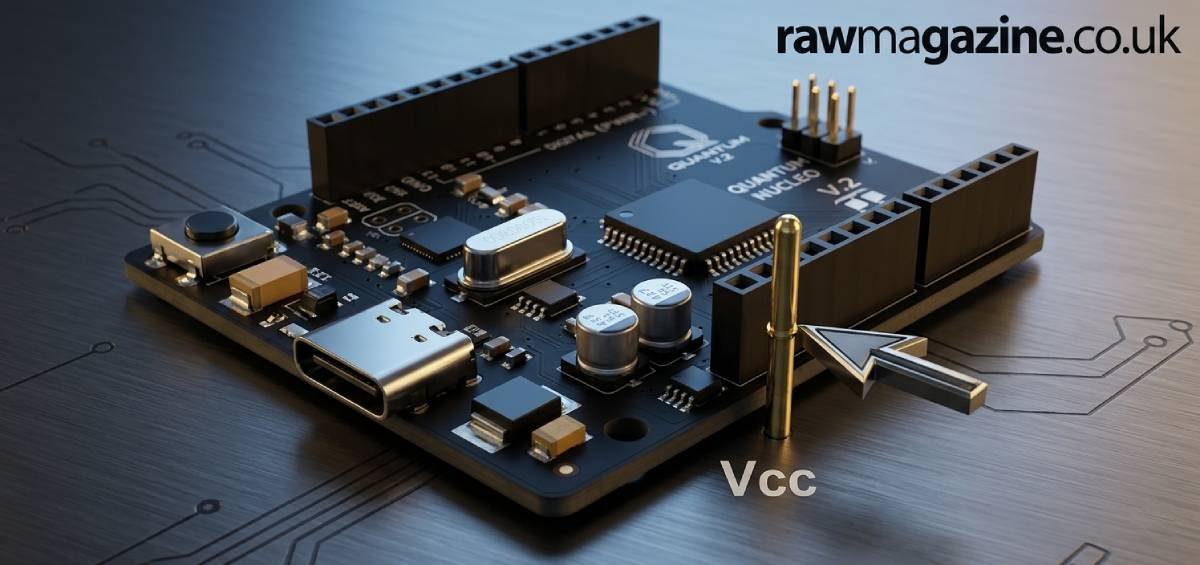
Introduction
In the world of electronics, few terms appear as frequently—and yet are as commonly misunderstood—as Vcc. Whether you’re building a circuit, studying microcontrollers, or simply exploring how electronic devices work, Vcc plays a central role in powering everything from tiny sensors to complex computing systems. At its core, Vcc represents the supply voltage that energizes electronic components, making it a foundational concept for engineers, hobbyists, and students alike.
Understanding Vcc isn’t just about memorizing a definition—it’s about grasping how electricity flows through circuits, how devices function reliably, and how design decisions impact performance. In this article, you’ll explore the meaning of Vcc, its origin, how it’s used across different technologies, and why it matters in both simple and advanced systems. By the end, you’ll have a clear, practical understanding that you can apply to real-world electronics.
What Is Vcc and Why It Matters
Vcc is a term used in electronics to denote the positive supply voltage in a circuit. Historically, the “cc” stands for “collector-to-collector” voltage in bipolar junction transistors (BJTs), where the collector terminal is connected to the positive voltage source. Over time, the term evolved and is now widely used to represent the main power supply in many electronic systems.
In practical terms, Vcc is the energy source that allows components to operate. Without it, circuits remain inactive. Think of it like fuel in a car—without fuel, even the most advanced engine won’t run. Similarly, without Vcc, even the most sophisticated circuit design becomes useless.
Modern electronics rely heavily on stable and well-regulated Vcc values. If the voltage is too low, devices may malfunction or fail to start. If it’s too high, components can be damaged permanently. This delicate balance highlights why understanding Vcc is essential for anyone working with electronics.
The Origin and Evolution of Vcc
Historical Background of Vcc
The term Vcc originated during the early days of transistor-based electronics. Engineers used it to describe the voltage applied to the collector terminal of BJTs. At that time, circuits were simpler, and naming conventions were closely tied to specific components.
As technology progressed, integrated circuits replaced discrete transistors in many applications. Despite this shift, the term Vcc remained in use due to its familiarity and widespread adoption. It gradually became a general label for the positive supply voltage, regardless of the underlying technology.
Modern Interpretation of Vcc
Today, Vcc is used broadly across different types of circuits, including digital systems, microcontrollers, and embedded devices. While the original meaning is rooted in transistor design, its modern usage is more generalized.
You’ll often see Vcc alongside other voltage labels like:
- Vdd (drain voltage in MOSFETs)
- Vss (ground reference)
- Vin (input voltage)
These terms may differ slightly depending on the technology, but they all serve the same purpose—defining how power is distributed within a system.
How Vcc Works in Electronic Circuits
Basic Function of Vcc
In any circuit, Vcc provides the electrical potential needed for current to flow. When a circuit is connected to a power source, Vcc establishes the voltage difference between itself and ground (often labeled as GND or Vss). This difference drives electrons through the circuit, enabling components to perform their functions.
For example, in a simple LED circuit, Vcc supplies the voltage that pushes current through the LED, causing it to emit light. Without Vcc, the LED remains off, regardless of how well the circuit is designed.
Role in Digital Systems
In digital electronics, Vcc is critical for defining logic levels. Devices interpret voltage levels as binary values—typically “0” and “1.” A stable Vcc ensures that these values are accurately recognized, preventing errors in data processing.
Consider a microcontroller operating at 5V Vcc. If the voltage drops significantly, the device may misinterpret signals, leading to unpredictable behavior. This is why voltage regulation is so important in digital design.
Common Vcc Values Across Devices
Different electronic systems operate at different Vcc levels depending on their design and requirements. Below is a comparison of common Vcc values used in various applications:
| Device Type | Typical Vcc Value | Description |
|---|---|---|
| Microcontrollers | 3.3V or 5V | Used in embedded systems and development boards |
| Logic ICs | 5V | Traditional TTL logic circuits |
| CMOS Circuits | 1.8V–3.3V | Low-power modern integrated circuits |
| Sensors | 3.3V or 5V | Environmental and motion sensors |
| Analog Circuits | ±12V or higher | Audio and signal processing applications |
These variations highlight how Vcc must be carefully chosen to match the requirements of each component. Using the wrong voltage can lead to inefficiency or damage.
Vcc vs Other Voltage Terms
Understanding Vcc becomes easier when compared to related voltage terms. Each has a specific role in circuit design.
| Term | Meaning | Typical Use Case |
|---|---|---|
| Vcc | Positive supply voltage | General electronics and BJT circuits |
| Vdd | Drain supply voltage | MOSFET-based circuits |
| Vss | Ground or reference voltage | Return path for current |
| Vin | Input voltage | External power source |
| Vout | Output voltage | Resulting voltage from a circuit |
Although these terms may seem interchangeable, they often reflect the type of components being used. For instance, Vcc is more common in BJT-based designs, while Vdd is preferred in CMOS technology.
Practical Applications of Vcc
Microcontrollers and Embedded Systems
In embedded systems, Vcc is the lifeline of the microcontroller. It powers the CPU, memory, and peripherals, allowing the system to execute instructions. Development boards like Arduino and Raspberry Pi rely on stable Vcc levels to function correctly.
For example, an Arduino Uno typically operates at 5V Vcc. Supplying a higher voltage without proper regulation can damage the board, while a lower voltage may cause erratic behavior.
Consumer Electronics
From smartphones to home appliances, Vcc is present in every electronic device. It ensures that components receive the correct voltage to operate efficiently. Power management circuits are often used to regulate Vcc and protect devices from fluctuations.
Industrial and Automotive Systems
In industrial environments, Vcc must remain stable despite harsh conditions. Equipment such as sensors, controllers, and communication modules depend on reliable power to maintain performance. Automotive systems, in particular, require precise voltage regulation to ensure safety and functionality.
Challenges and Considerations When Using Vcc
Voltage Stability
One of the biggest challenges in working with Vcc is maintaining a stable voltage. Fluctuations can cause noise, errors, or even permanent damage to components. Engineers often use voltage regulators and capacitors to stabilize the supply.
Power Consumption
Different devices consume varying amounts of power from Vcc. Managing this consumption is crucial, especially in battery-powered systems. Efficient design helps extend battery life and reduce heat generation.
Compatibility Between Components
Not all components operate at the same Vcc level. Mixing devices with different voltage requirements can lead to compatibility issues. Level shifters and voltage converters are often used to bridge these gaps.
Real-World Example: Building a Simple Circuit
Imagine you’re building a basic temperature monitoring system using a microcontroller and a sensor. The microcontroller operates at 3.3V Vcc, while the sensor requires 5V.
To make the system work:
- You provide 5V Vcc to the sensor.
- You regulate the voltage down to 3.3V for the microcontroller.
- You use a level shifter to ensure communication between the two.
This setup demonstrates how Vcc must be carefully managed to ensure compatibility and performance.
Best Practices for Working with Vcc
When designing or working with circuits, following a few best practices can make a significant difference:
- Always verify the voltage requirements of each component before connecting power.
- Use voltage regulators to maintain a consistent Vcc level.
- Include decoupling capacitors to reduce noise and improve stability.
- Avoid exceeding maximum voltage ratings to prevent damage.
These simple steps can help ensure reliable and efficient operation in any electronic project.
The Future of Vcc in Modern Technology
As technology continues to evolve, the role of Vcc is becoming even more critical. With the rise of low-power devices, wearable technology, and IoT systems, efficient power management is more important than ever.
Modern designs are moving toward lower Vcc levels to reduce energy consumption and heat. At the same time, advanced power management techniques are being developed to optimize performance without compromising reliability.
In the future, Vcc may become more dynamic, adapting to the needs of different components in real time. This shift will enable smarter, more efficient electronic systems.
Conclusion
Vcc is far more than just a label on a Circuit diagram—it is the foundation that powers modern electronics. From its origins in transistor design to its widespread use in today’s devices, Vcc plays a crucial role in ensuring that circuits function reliably and efficiently.
Understanding Vcc allows you to design better systems, troubleshoot issues more effectively, and appreciate the inner workings of electronic devices. Whether you’re a beginner or an experienced engineer, mastering this concept opens the door to deeper knowledge and more advanced projects.
By paying attention to voltage levels, stability, and compatibility, you can harness the full potential of Vcc and build systems that are both powerful and reliable.
Frequently Asked Questions (FAQs)
1. What does Vcc stand for in electronics?
Vcc originally referred to the voltage at the collector terminal in transistor circuits. Today, it generally means the positive supply voltage in a circuit.
2. Is Vcc the same as power supply?
Yes, Vcc typically represents the main positive power supply provided to electronic components in a circuit.
3. Can Vcc be different for different devices?
Absolutely. Different devices require different Vcc levels, such as 3.3V, 5V, or higher, depending on their design.
4. What happens if Vcc is too high?
If Vcc exceeds the rated voltage, it can damage or destroy electronic components permanently.
5. Why is Vcc important in digital circuits?
Vcc defines logic levels in digital systems, ensuring accurate interpretation of binary signals and reliable operation.

Introduction
In today’s fast-paced digital world, platforms like Previpagos3g are gaining attention for offering flexible, convenient, and user-focused services. Whether you’re exploring it for personal use or simply curious about what it offers, understanding how Previpagos3g works can help you make smarter decisions. This article dives deep into everything you need to know—from its purpose and features to real-world applications and practical insights. By the end, you’ll have a clear picture of why Previpagos3g matters and how it fits into modern digital usage.
What Is Previpagos3g?
Previpagos3g is generally recognized as a digital platform or service system that revolves around prepaid access, user-driven control, and simplified interaction. Unlike traditional subscription models, it often focuses on pay-as-you-go functionality, giving users more control over how and when they use services.
At its core, Previpagos3g is designed to remove long-term commitments. This flexibility makes it appealing to a wide range of users—from casual consumers to those who prefer managing expenses more tightly. The system prioritizes accessibility and simplicity, making it usable even for those who aren’t highly tech-savvy.
Another defining aspect is its adaptability. Depending on how it’s implemented, Previpagos3g can serve various purposes such as communication access, digital services, or online transactions. This versatility is one of the main reasons it continues to gain traction.
Key Information About Previpagos3g
| Feature Category | Details |
|---|---|
| Platform Type | Prepaid digital service system |
| Access Model | Pay-as-you-go |
| User Control | High (no long-term commitment) |
| Flexibility | Adjustable usage based on need |
| Target Users | Individuals, casual users, budget-conscious users |
How Previpagos3g Works
Understanding the Prepaid Model
The prepaid structure behind Previpagos3g is simple but powerful. Users add funds in advance and then use those funds to access services. This eliminates unexpected charges and gives complete financial transparency.
For example, instead of receiving a monthly bill, you only spend what you’ve already loaded. This makes budgeting easier and avoids financial surprises. Many users prefer this method because it offers peace of mind and better spending control.
User Interaction and Accessibility
Previpagos3g is built with user convenience in mind. The interface is typically straightforward, allowing users to quickly understand how to navigate and use the platform. Whether accessing services through a mobile device or desktop, the experience remains consistent and intuitive.
Additionally, accessibility plays a key role. The platform is often designed to work across different devices and network conditions, ensuring users can stay connected even in less-than-ideal situations.
Core Features of Previpagos3g
Flexible Usage Without Commitment
One of the standout features of Previpagos3g is its flexibility. Users are not tied to contracts or long-term obligations. This makes it ideal for people who want control over their usage patterns.
For instance, someone who only needs occasional access can use the platform without worrying about recurring costs. This flexibility creates a more user-centric experience compared to traditional systems.
Cost Control and Transparency
Financial clarity is another major benefit. Since users pay upfront, they always know how much they’re spending. There are no hidden charges or unexpected deductions.
This is especially useful for students, freelancers, or anyone managing a tight budget. It allows users to plan their spending effectively while still accessing essential services.
Wide Range of Applications
Previpagos3g isn’t limited to one specific function. It can be adapted for various uses, including communication services, digital content access, or transactional systems.
This versatility makes it appealing across different user groups. Whether someone is looking for convenience or affordability, the platform can cater to both.
Benefits of Using Previpagos3g
Financial Discipline
Using a prepaid system encourages better financial habits. Since you can only spend what you’ve loaded, it naturally limits overspending. This makes it a great tool for managing expenses more effectively.
Convenience and Ease of Use
The platform is designed to minimize complexity. From loading funds to accessing services, every step is streamlined. This ensures that even first-time users can quickly get started without confusion.
Accessibility for All Users
Previpagos3g is inclusive by design. It doesn’t require advanced technical knowledge or complicated setups. This makes it accessible to a broad audience, including those who may not be comfortable with complex systems.
Comparison With Traditional Systems
| Aspect | Previpagos3g | Traditional Subscription |
|---|---|---|
| Payment Method | Prepaid | Postpaid |
| Flexibility | High | Limited |
| Commitment | None | Long-term contracts |
| Cost Predictability | Very High | Moderate |
| User Control | Full | Partial |
Real-Life Example of Previpagos3g Usage
Imagine a freelance worker who needs occasional access to certain digital services. Instead of paying a monthly fee, they use Previpagos3g to load a small amount and use it only when needed.
This approach not only saves money but also aligns perfectly with their irregular usage pattern. Over time, this flexibility can lead to significant savings and better financial control.
Another example could be travelers who need temporary access to services without committing long-term. Previpagos3g provides a practical solution in such cases.
Challenges and Limitations
Limited Long-Term Benefits
While flexibility is a strength, it can also be a limitation. Some traditional systems offer perks for long-term users, which prepaid models may lack.
Dependency on Balance Availability
Since everything depends on prepaid balance, running out of funds can interrupt access. This requires users to stay mindful of their usage and balance levels.
Not Ideal for Heavy Users
For individuals who use services extensively, prepaid models might become less cost-effective compared to bundled subscription plans.
Who Should Use Previpagos3g?
Previpagos3g is particularly well-suited for:
- Individuals who prefer flexibility over commitment
- Budget-conscious users managing expenses carefully
- Occasional users who don’t need continuous access
- Travelers or temporary users needing short-term solutions
However, heavy users or those seeking bundled benefits might find other systems more suitable.
Tips for Getting the Most Out of Previpagos3g
Monitor Your Usage
Keeping track of how you use the platform helps you avoid running out of balance unexpectedly. It also allows you to adjust your spending habits.
Load Funds Strategically
Instead of adding large amounts, consider smaller, frequent top-ups. This helps maintain better control over your expenses.
Explore Available Features
Many users don’t fully utilize all the features available. Taking time to explore the platform can help you discover additional benefits and tools.
Future Potential of Previpagos3g
As digital systems continue to evolve, platforms like Previpagos3g are likely to become even more relevant. The demand for flexible, user-controlled services is growing, and prepaid models fit perfectly into this trend.
With advancements in technology, we can expect improvements in accessibility, speed, and overall user experience. This could make Previpagos3g even more appealing in the future.
Additionally, as more users seek alternatives to rigid systems, prepaid platforms may become a preferred choice across various industries.
Conclusion
Previpagos3g represents a modern approach to digital service access—one that prioritizes flexibility, control, and simplicity. By allowing users to pay in advance and use services as needed, it eliminates many of the frustrations associated with traditional systems.
From financial discipline to ease of use, the benefits are clear. While it may not be perfect for everyone, especially heavy users, it offers a valuable alternative for those seeking control and convenience.
Ultimately, Previpagos3g Empowers users to take charge of their usage and spending, making it a practical solution in today’s dynamic digital landscape.
Frequently Asked Questions (FAQs)
1. What is Previpagos3g used for?
Previpagos3g is used for accessing services through a prepaid system, allowing users to pay in advance and use services as needed without long-term commitments.
2. Is Previpagos3g suitable for everyone?
It works best for occasional users and those who prefer flexibility. Heavy users may find subscription-based systems more cost-effective.
3. How do I manage my balance on Previpagos3g?
Users typically monitor their balance through the platform interface and can add funds whenever needed to continue using services.
4. Are there hidden charges in Previpagos3g?
No, one of its main advantages is transparency. You only spend what you’ve prepaid, avoiding unexpected costs.
5. Can Previpagos3g be used on multiple devices?
Yes, most implementations are designed to work across various devices, ensuring accessibility and convenience.
-

 Entertainment2 months ago
Look2movie: A Deep Dive Into the Free Movie Streaming Phenomenon
-

 Celebrity2 months ago
Alynne Rooker: Craft, Influence, and a Modern Path
-

 Celebrity2 months ago
Elizabeth Hatcher-Travis: The Private Force Behind a Public Icon
-

 Celebrity2 months ago
Shaun Holguin: The Man Behind the Badge and His Life Beyond the Spotlight
-

 Celebrity2 months ago
Michel Sáenz Castro: A Thoughtful Look at the Name, Work, and Public Presence
-

 Blog2 months ago
Reddit PopCultureChat: Inside the Internet’s Celebrity Hub
-

 Celebrity2 months ago
Dante Schreiber: Life, Identity, and Public Interest Explained
-

 Tech2 months ago
QLCredit Explained: Smarter Credit Decisions Today