
Fitness
Orgasamtrix: A Modern Approach to Intimate Wellness


Introduction
Human intimacy and personal wellness are deeply connected. In recent years, people have begun exploring new ways to understand pleasure, emotional bonding, and overall relationship satisfaction. One concept that has gained growing attention in conversations about intimate health is Orgasamtrix. While the term may sound futuristic, it represents a broader shift toward understanding intimacy through science, psychology, and modern wellness practices.
At its core, Orgasamtrix refers to a holistic approach to enhancing intimate experiences by combining emotional awareness, physical health, and mental connection. Instead of focusing only on momentary pleasure, it emphasizes balance between mind and body, communication between partners, and a deeper understanding of personal desire. Many people today are looking for ways to improve their intimate well-being, strengthen relationships, and cultivate healthier attitudes toward pleasure. This approach attempts to address all of those elements in a thoughtful and structured way.
In this article, you’ll explore what Orgasamtrix means, where the concept originated, how it works in modern wellness discussions, and why it’s becoming increasingly relevant in conversations about relationships and personal health. You’ll also discover practical insights, examples, and guidance for understanding the principles behind this evolving concept.
Understanding the Concept of Orgasamtrix
The idea behind Orgasamtrix blends several disciplines, including psychology, human physiology, emotional intelligence, and relationship communication. Rather than focusing only on physical stimulation, the concept highlights how emotional safety, trust, and mental relaxation influence intimate experiences.
Researchers and therapists have long suggested that pleasure is not simply a physical reaction. It is influenced by mood, stress levels, self-confidence, and the quality of connection between partners. The Orgasamtrix framework attempts to bring all these elements together in a more structured understanding.
Imagine intimacy like a musical orchestra. Each instrument contributes to the final harmony. If one element is out of sync, the overall performance may feel incomplete. Similarly, physical attraction, emotional closeness, and mental relaxation must align to create satisfying experiences.
This perspective encourages people to think about intimacy as a system rather than a single event. By strengthening each component of that system, individuals and couples can develop healthier, more fulfilling relationships.
Origins and Evolution of the Idea
Although the term itself appears modern, the philosophy behind Orgasamtrix reflects ideas that have existed for centuries. Ancient cultures often viewed intimacy as an interconnected experience involving body, mind, and emotional energy.
Over time, modern science began studying these interactions more deeply. Psychologists explored emotional bonding. Medical researchers examined the role of hormones and neurological responses. Relationship counselors focused on communication and trust.
These disciplines eventually intersected, forming a more integrated understanding of intimacy. The Orgasamtrix concept represents this integration.
Development Timeline of the Concept
| Period | Key Development | Impact |
|---|---|---|
| Ancient traditions | Mind-body connection emphasized | Holistic view of intimacy |
| 20th century psychology | Emotional bonding studies | Greater focus on communication |
| Modern neuroscience | Brain response to pleasure studied | Scientific understanding of intimacy |
| Contemporary wellness movement | Integrated lifestyle approach | Emergence of concepts like Orgasamtrix |
As society becomes more open about discussing personal wellness, such frameworks have gained visibility. They help individuals approach intimate health with curiosity rather than discomfort.
The Core Principles Behind Orgasamtrix
Several guiding ideas form the foundation of this approach. These principles help explain why intimacy is more complex than a single physical response.
1. Emotional Connection
Emotional trust often acts as the foundation of meaningful intimacy. When individuals feel safe, valued, and understood, their bodies respond differently. Stress decreases, comfort increases, and the experience becomes more relaxed and enjoyable.
Many relationship experts emphasize that communication and empathy are essential parts of this process.
2. Mental Presence
Modern life is filled with distractions—phones, work pressures, and daily responsibilities. Mental presence allows people to focus fully on the moment.
Mindfulness practices, deep breathing, and emotional awareness can help people remain engaged rather than distracted during intimate moments.
3. Physical Health
Physical well-being plays an important role in energy levels, hormonal balance, and overall comfort. Exercise, nutrition, and sleep patterns influence how the body responds to stimulation and emotional connection.
4. Communication and Curiosity
Healthy relationships often thrive when partners feel comfortable discussing preferences and boundaries. Curiosity about each other’s needs can transform intimacy from routine into exploration.
Biological and Psychological Factors in Intimate Experiences
Human intimacy involves a complex interaction between the brain and body. Understanding these mechanisms helps explain why the Orgasamtrix perspective emphasizes a holistic approach.
Hormonal Activity
Several hormones influence emotional bonding and pleasure responses. Oxytocin, sometimes called the “bonding hormone,” increases feelings of closeness between partners. Dopamine contributes to reward and motivation, reinforcing positive experiences.
Neurological Responses
The brain processes sensory information, emotional signals, and memories simultaneously. This integration determines how people perceive and experience intimacy.
Emotional Conditioning
Past experiences can shape expectations and comfort levels. Positive experiences may strengthen confidence, while negative experiences may create hesitation or anxiety.
Key Biological Factors
| Factor | Role in Intimate Wellness |
|---|---|
| Oxytocin | Enhances emotional bonding |
| Dopamine | Creates pleasure and reward sensations |
| Endorphins | Promote relaxation and happiness |
| Cortisol | High levels may reduce relaxation |
These biological systems demonstrate why emotional well-being and physical health influence intimate experiences so strongly.
Why People Are Talking About Orgasamtrix Today
Several social and cultural changes have contributed to the growing discussion around Orgasamtrix. People are increasingly interested in wellness approaches that integrate mental, emotional, and physical health.
Greater Openness About Intimacy
Conversations about personal relationships and wellness have become more open in recent decades. This openness allows individuals to explore topics that were once considered taboo.
Relationship Education
Modern couples often seek educational resources about communication, emotional intelligence, and healthy intimacy.
Holistic Wellness Trends
Wellness movements now emphasize balance across multiple areas of life. People no longer view health as simply physical fitness; emotional and relational well-being are equally important.
These shifts have created space for new frameworks that explain intimacy in more comprehensive ways.
Comparing Traditional and Holistic Approaches
To understand how Orgasamtrix differs from older perspectives, it helps to examine the contrast between traditional and holistic models of intimacy.
| Traditional Perspective | Holistic Perspective |
|---|---|
| Focus mainly on physical response | Considers emotional, mental, and physical elements |
| Limited communication about needs | Encourages open discussion |
| Short-term focus | Emphasizes long-term relationship growth |
| Often individual-centered | Highlights shared experiences |
The holistic approach recognizes that intimacy evolves over time. Partners who invest in communication and emotional connection often develop stronger relationships.
Real-World Example: A Relationship Case Study
Consider a couple experiencing growing distance after several years together. Both partners care deeply about the relationship but feel disconnected during intimate moments.
Instead of focusing only on physical techniques, they begin exploring emotional communication and stress management. They discuss their expectations, learn to listen more actively, and schedule regular time to reconnect without distractions.
Over time, the quality of their connection improves. Their experiences become more relaxed and enjoyable because the emotional and mental components of intimacy are stronger.
This type of situation illustrates how the Orgasamtrix philosophy encourages people to view intimacy as a dynamic system rather than a single act.
Practical Ways to Apply Orgasamtrix Principles
Although the concept may sound complex, many of its ideas are simple and practical. Small lifestyle adjustments can significantly improve relationship quality and personal wellness.
Some helpful practices include:
- Prioritizing honest communication with partners
- Reducing stress through relaxation techniques
- Practicing mindfulness to stay present
- Maintaining physical health through exercise and balanced nutrition
These practices strengthen both emotional connection and physical comfort.
Challenges and Misconceptions
Despite its growing popularity, some misconceptions still surround Orgasamtrix. Understanding these misunderstandings helps clarify the concept.
Misconception: It Is Only About Physical Pleasure
In reality, the approach emphasizes emotional connection and mental awareness just as strongly as physical responses.
Misconception: It Requires Complex Techniques
Many people assume specialized knowledge is required. In truth, the foundation often involves simple actions like communication, empathy, and self-awareness.
Misconception: It Applies Only to Romantic Relationships
The underlying principles—emotional understanding, trust, and well-being—are valuable in many types of relationships, including long-term partnerships and personal self-awareness.
The Future of Intimate Wellness
Interest in holistic intimacy frameworks continues to grow as society becomes more comfortable discussing relationship health.
Several developments may shape the future of this field:
- Increased research on emotional and neurological aspects of intimacy
- Greater inclusion of relationship education in wellness programs
- More open conversations about personal well-being
As these discussions evolve, concepts like Orgasamtrix may help individuals explore intimacy with greater understanding and confidence.
Conclusion
The concept of Orgasamtrix reflects a broader shift in how people understand intimacy and personal Wellness. Rather than focusing solely on physical responses, it highlights the powerful interaction between emotional connection, mental presence, and physical health. This perspective encourages individuals and couples to explore relationships more thoughtfully, emphasizing trust, communication, and self-awareness.
By viewing intimacy as a dynamic system rather than a single event, people can cultivate deeper bonds and more fulfilling experiences. The principles behind Orgasamtrix remind us that meaningful connections grow through empathy, curiosity, and care for both ourselves and our partners.
Ultimately, the most important takeaway is simple: when emotional well-being, physical health, and communication work together, relationships can thrive in ways that feel both natural and deeply rewarding.
Frequently Asked Questions (FAQs)
1. What does Orgasamtrix mean?
Orgasamtrix refers to a holistic perspective on intimate wellness that combines emotional connection, mental awareness, and physical health to improve relationship experiences.
2. Is Orgasamtrix based on science?
The concept draws inspiration from research in psychology, neuroscience, and relationship studies that explore how emotions, hormones, and communication influence intimacy.
3. Can individuals benefit from Orgasamtrix without a partner?
Yes. Personal self-awareness, emotional balance, and physical well-being are important parts of the approach and can benefit individuals regardless of relationship status.
4. How does communication affect intimacy?
Open communication helps partners understand each other’s needs and boundaries. This creates trust, reduces anxiety, and improves emotional connection.
5. Why is holistic wellness important for relationships?
Holistic wellness recognizes that mental, emotional, and physical health are interconnected. When these areas are balanced, relationships often become stronger and more satisfying.

Introduction
Language is full of powerful words that express emotions, experiences, and human conditions. One such word is Boljeti, a term that captures a deep and meaningful aspect of human life. In many Slavic languages, Boljeti is commonly associated with the experience of pain—whether physical discomfort, emotional suffering, or even symbolic hardship. The word carries a sense of vulnerability and honesty, reflecting the reality that pain is an unavoidable part of the human journey.
Understanding Boljeti goes beyond simply translating the word. It involves exploring cultural meaning, emotional depth, and linguistic context. Words related to pain often hold strong cultural significance because they connect people through shared experiences. From physical injury to emotional heartbreak, expressions like Boljeti help individuals communicate what might otherwise be difficult to explain.
This article explores Boljeti in detail—its linguistic roots, cultural importance, emotional impact, and practical usage in everyday communication. Readers will gain insight into how the word developed, how it functions in language, and why understanding such expressions enriches our appreciation of communication and culture.
What Does Boljeti Mean?
At its most basic level, Boljeti means “to hurt” or “to feel pain.” The word is widely used in several Slavic languages, including Croatian, Serbian, and Bosnian. Unlike some words that describe pain in a purely physical sense, Boljeti can refer to emotional suffering as well.
For example, someone might say their head hurts, or they might use the same term to describe heartbreak or sadness. This flexibility makes the word particularly expressive. It captures the complex ways humans experience discomfort and distress.
The meaning of Boljeti also reflects an important linguistic principle: many languages treat physical and emotional pain as interconnected. By using the same term for both experiences, speakers acknowledge that emotional suffering can feel just as intense as physical injury.
Linguistic Background of Boljeti
The word Boljeti originates from the Slavic root “bol,” which means pain. This root appears in several related words across Slavic languages, demonstrating the shared linguistic heritage of these cultures.
Linguistic Breakdown
| Component | Meaning | Explanation |
|---|---|---|
| Bol | Pain | The central root referring to discomfort |
| -jeti | Verb ending | Indicates the action of experiencing pain |
| Boljeti | To hurt | The combined form meaning “to feel pain” |
This structure shows how the word developed naturally within the grammar of Slavic languages. By combining a root with a verb ending, the language creates a clear and expressive term.
Cultural Significance of Boljeti
Pain is a universal human experience, and many cultures develop rich vocabularies to describe it. In Slavic societies, words like Boljeti play an important role in everyday conversation and emotional expression.
People use the word not only to describe physical illness but also to express empathy. When someone says something hurts, listeners often respond with compassion and understanding. This exchange helps build social bonds and emotional support.
Boljeti also appears in literature, poetry, and music. Writers often use it to convey emotional depth, reflecting themes such as love, loss, and resilience. Through storytelling, the word becomes more than a description—it becomes a symbol of the human condition.
Physical vs Emotional Pain in Boljeti
One interesting feature of Boljeti is its ability to describe different types of pain. This flexibility reflects how humans experience discomfort in multiple ways.
| Type of Pain | Example Situation | How Boljeti Is Used |
|---|---|---|
| Physical Pain | Headache or injury | “My head hurts.” |
| Emotional Pain | Heartbreak or grief | “My heart hurts.” |
| Symbolic Pain | Personal struggle | “It hurts to remember.” |
The word adapts naturally to each context. By using a single term for these experiences, speakers highlight the connection between body and emotion.
Everyday Use of Boljeti
In everyday life, people use Boljeti in many simple but meaningful ways. The word appears in conversations about health, feelings, and personal experiences.
For example, a person might explain that their arm hurts after an injury. Another person might use the same word when talking about emotional stress. The versatility of the word allows it to fit naturally into different situations.
In conversations with friends and family, Boljeti can also express vulnerability. Admitting pain often encourages empathy and support from others. This shared understanding strengthens relationships and encourages open communication.
Boljeti in Literature and Art
Art and literature often explore themes of pain because they reflect the emotional complexity of human life. The word Boljeti frequently appears in poems, novels, and songs where writers describe love, loss, or longing.
Writers often use the term metaphorically. Instead of referring to physical injury, they might describe a heart that hurts or memories that cause pain. This metaphorical usage adds depth and emotional resonance to creative works.
Musicians and songwriters also rely on such expressions. Emotional storytelling in music often uses simple but powerful language. Words like Boljeti allow artists to communicate feelings that listeners instantly recognize and understand.
Psychological Perspective on Pain
Understanding Boljeti also involves examining the psychological dimension of pain. Scientists and psychologists often describe pain as a complex experience influenced by both physical and emotional factors.
For example, emotional stress can sometimes cause physical symptoms such as headaches or muscle tension. Similarly, physical pain may affect mood and emotional wellbeing. This connection explains why many languages use a single term for both experiences.
Pain can also influence memory and personal growth. People often learn important life lessons through difficult experiences. Although painful moments can be challenging, they sometimes lead to greater resilience and self-awareness.
Medical Context of Boljeti
In medical discussions, the concept behind Boljeti is important because pain is one of the most common reasons people seek medical care. Doctors often ask patients to describe where and how something hurts.
Common Types of Pain
- Acute pain: Sudden pain caused by injury or illness.
- Chronic pain: Long-lasting discomfort that persists over time.
Recognizing and describing pain accurately helps medical professionals determine the best treatment approach. Clear communication about pain levels and symptoms is essential for effective care.
Why Words Like Boljeti Matter
Words that describe pain play an important role in communication. They allow people to express vulnerability, seek help, and connect with others who share similar experiences.
Boljeti is particularly valuable because it captures both physical and emotional dimensions of pain. Instead of separating these experiences, the word acknowledges that they often overlap.
Language that reflects emotional reality helps people process difficult experiences. By naming pain, individuals gain a sense of understanding and control over what they feel.
Boljeti and Human Empathy
Empathy is one of the most important aspects of human relationships. When someone expresses pain using words like Boljeti, it invites others to respond with care and understanding.
Communities often develop strong emotional connections through shared experiences of struggle. People support one another during difficult times, offering comfort and reassurance.
This ability to communicate pain clearly helps strengthen relationships. It encourages honesty and emotional openness, both of which are essential for healthy human interaction.
Conclusion
Boljeti is more than just a word—it represents a fundamental part of the human experience. Rooted in Slavic language and culture, the term expresses both physical discomfort and emotional suffering. Its versatility allows people to describe pain in many forms, from simple injuries to profound emotional struggles.
Throughout this article, we explored the meaning of Boljeti, its linguistic origins, cultural significance, and everyday usage. The word appears in conversations, literature, and medical contexts, demonstrating its importance in Communication.
Understanding expressions like Boljeti reminds us that language reflects the realities of human life. Pain, while difficult, is also a shared experience that connects people across cultures. By expressing it honestly and compassionately, individuals can support one another and build stronger relationships.
Frequently Asked Questions (FAQs)
1. What does Boljeti mean?
Boljeti generally means “to hurt” or “to feel pain.” It can describe both physical discomfort and emotional suffering depending on the context.
2. Which languages use the word Boljeti?
The word appears in several Slavic languages, including Croatian, Serbian, and Bosnian.
3. Can Boljeti describe emotional pain?
Yes. The word is often used metaphorically to describe emotional pain, such as heartbreak or sadness.
4. Is Boljeti used in everyday conversation?
Yes. People commonly use it when discussing injuries, illnesses, or emotional experiences.
5. Why is the word Boljeti culturally important?
It reflects how language connects physical and emotional experiences, allowing people to express vulnerability and empathy.
Fitness
Runlia: A Modern Platform Redefining How Ideas Turn Into Action
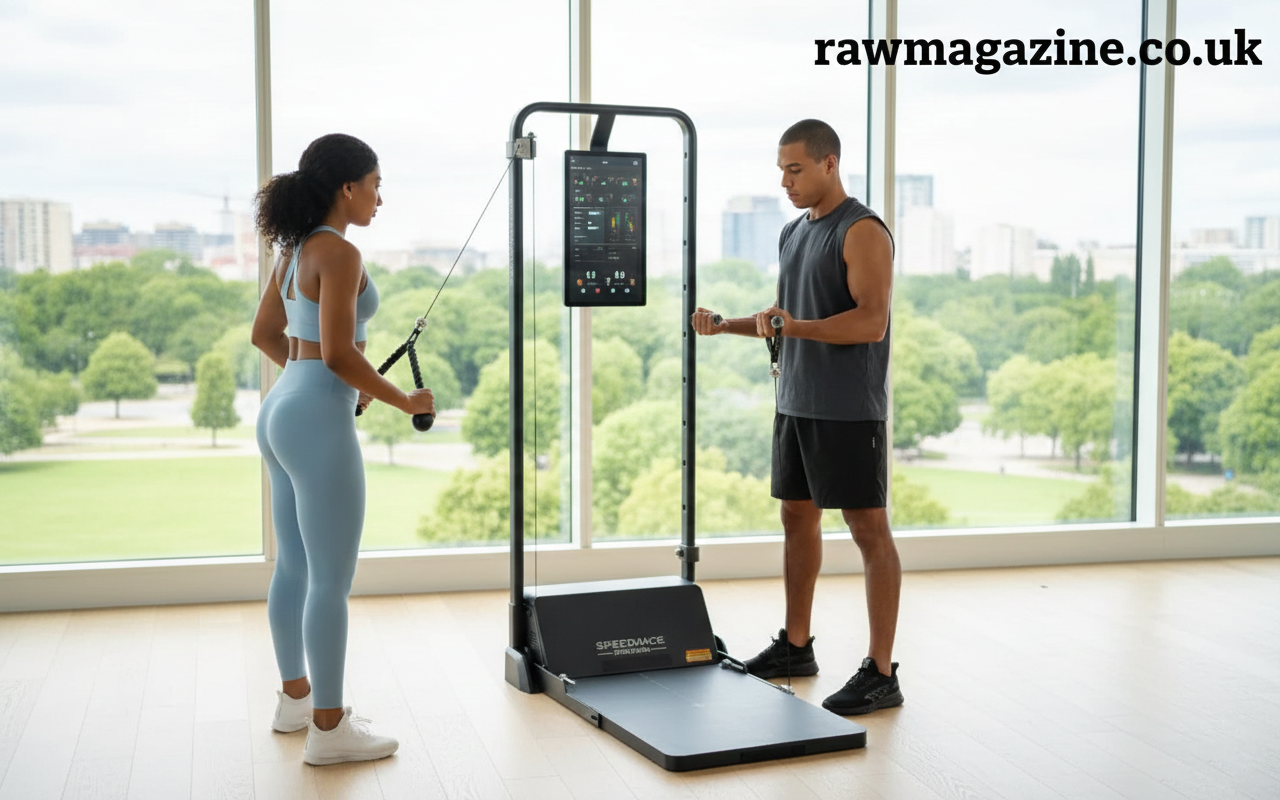
Discover Runlia, a modern platform focused on clarity, momentum, and execution, helping individuals and teams turn ideas into meaningful action.
Introduction
Runlia is more than just a name—it represents a growing concept built around clarity, momentum, and practical progress. In a world where tools, platforms, and systems often feel fragmented or overwhelming, Runlia stands out as a unifying approach that helps people move from intention to execution with confidence. Whether you’re exploring it as a digital platform, a workflow framework, or an emerging product ecosystem, Runlia matters because it focuses on one timeless need: turning ideas into real, measurable outcomes.
In this in-depth guide, you’ll learn what Runlia is, how it works, why it’s gaining attention across different fields, and how it can be applied in everyday personal and professional contexts. By the end, you’ll have a clear mental model of Runlia and practical insights you can actually use.
What Is Runlia? A Clear, Practical Overview
At its core, Runlia can be understood as a structured yet flexible system designed to support execution. Instead of forcing users into rigid processes, it adapts to how people naturally think, plan, and act. This adaptability is what allows Runlia to fit into multiple industries and use cases without losing its identity.
Runlia combines three essential elements: direction, momentum, and feedback. Direction ensures that goals are well-defined and meaningful. Momentum keeps progress moving forward without burnout. Feedback closes the loop, helping users refine their approach over time. Together, these elements create a balanced flow that feels natural rather than forced.
To make this clearer, think of Runlia like a well-designed running track. The track doesn’t run for you, but it gives you the structure, pacing, and markers needed to keep going without getting lost. That’s the philosophy Runlia brings to modern work and creativity.
Quick Facts About Runlia
| Attribute | Details |
|---|---|
| Category | Platform / Framework |
| Core Focus | Execution and progress |
| Primary Users | Individuals, teams, creators |
| Flexibility Level | High |
| Learning Curve | Moderate but intuitive |
The Philosophy Behind Runlia
Runlia wasn’t built around complexity. It was built around human behavior. Many systems fail because they ignore how people actually work—through bursts of energy, moments of doubt, and constant adjustments. Runlia accepts this reality and works with it instead of against it.
The philosophy emphasizes progress over perfection. Small, consistent actions are valued more than grand plans that never leave the page. This mindset reduces friction and helps users stay engaged for the long term.
Another key principle is visibility. When progress is visible, motivation follows. Runlia encourages clear checkpoints and reflections so users can see how far they’ve come, not just how far they still have to go.
How Runlia Works in Real Life
Understanding Runlia conceptually is helpful, but its real value shows up in daily use. The system is designed to fit seamlessly into routines rather than disrupt them.
From Idea to Execution
Most people struggle at the transition point between thinking and doing. Runlia bridges that gap by breaking ideas into actionable components that feel manageable. Instead of overwhelming users with massive plans, it guides them toward the next meaningful step.
Over time, these steps build momentum. That momentum creates confidence, and confidence fuels consistency. This is how Runlia transforms abstract goals into concrete results.
Adaptability Across Different Contexts
One of Runlia’s strengths is that it doesn’t belong to a single niche. It can support creative projects, business initiatives, learning goals, or even personal development journeys. The structure remains the same, but the application changes based on context.
This adaptability is why Runlia resonates with such a wide audience. It respects individual differences while providing a shared framework for progress.
Key Features That Define Runlia
Runlia’s effectiveness comes from a thoughtful combination of features rather than flashy additions. Each feature serves a clear purpose and supports the overall flow of execution.
| Feature | Purpose | Benefit |
|---|---|---|
| Goal Mapping | Clarifies direction | Reduces confusion |
| Progress Signals | Tracks momentum | Boosts motivation |
| Reflection Loops | Encourages learning | Improves outcomes |
| Flexible Structure | Adapts to users | Prevents burnout |
These features work together rather than competing for attention. The result is a system that feels cohesive and supportive instead of distracting.
Runlia for Individuals: Personal Growth and Focus
For individuals, Runlia acts like a quiet guide. It doesn’t demand constant attention, but it’s always there to bring focus back when distractions take over. This makes it especially useful for people juggling multiple priorities.
Many users report that Runlia helps them regain a sense of control. Instead of feeling pulled in every direction, they can see what truly matters and act accordingly. Over time, this clarity reduces stress and increases satisfaction.
An effective way to use Runlia personally is to pair it with daily reflection. A few minutes spent reviewing progress can reveal patterns, highlight wins, and gently correct misalignment before it becomes a bigger issue.
Runlia for Teams and Collaboration
Teams often struggle with alignment. Different priorities, communication gaps, and unclear ownership can slow everything down. Runlia addresses these challenges by creating shared visibility without micromanagement.
When everyone can see the direction and current state of progress, collaboration becomes smoother. Conversations shift from blame to problem-solving. This cultural shift is one of Runlia’s most powerful, though often understated, benefits.
In team settings, Runlia works best when paired with regular check-ins. These moments aren’t about control; they’re about connection and clarity. Over time, trust grows naturally.
A Simple Case Study: Runlia in Action
Consider a small creative studio struggling with missed deadlines and scattered ideas. They didn’t lack talent, but their process was chaotic. After adopting Runlia, they focused on defining clear milestones and reflecting weekly on progress.
Within three months, delivery consistency improved noticeably. Team members felt less overwhelmed, and clients noticed the difference. The studio didn’t work longer hours—they worked with better direction. This is a practical example of Runlia’s impact when applied thoughtfully.
Comparing Runlia to Traditional Systems
Traditional systems often rely on rigid rules and fixed timelines. While structure can be helpful, too much of it can stifle creativity and adaptability. Runlia takes a different approach by offering guidance without confinement.
| Aspect | Traditional Systems | Runlia |
|---|---|---|
| Flexibility | Low to moderate | High |
| User Experience | Rule-driven | Human-centered |
| Adaptation | Slow | Continuous |
| Engagement | Often declines | Sustained |
This difference explains why Runlia feels lighter and more sustainable over time.
Challenges and Common Misconceptions
No system is perfect, and Runlia is no exception. One common misconception is that flexibility means lack of discipline. In reality, Runlia requires intentional engagement. The freedom it offers works best when paired with honesty and accountability.
Another challenge is initial adjustment. Users coming from rigid systems may need time to trust a more adaptive approach. Patience during this phase pays off, as the system reveals its strengths gradually.
Conclusion
Runlia represents a thoughtful shift in how progress is approached. Instead of forcing people into predefined molds, it meets them where they are and helps them move forward with clarity and confidence. Throughout this article, we explored what Runlia is, how it works, and why it resonates across different contexts.
The key takeaway is simple: progress doesn’t need to feel heavy to be effective. By focusing on direction, momentum, and reflection, Runlia offers a Balanced path that supports both results and well-being. If you’re looking for a way to turn ideas into action without burning out, Runlia provides a compelling, human-centered solution.
Frequently Asked Questions (FAQs)
What makes Runlia different from other platforms?
Runlia focuses on execution through adaptability and reflection rather than rigid rules. This makes it feel more natural and sustainable over time.
Is Runlia suitable for beginners?
Yes, Runlia is designed to be intuitive. While there’s a short learning curve, most users adjust quickly and benefit early on.
Can Runlia be used outside of work settings?
Absolutely. Runlia works well for personal goals, creative projects, and learning journeys, not just professional tasks.
Does Runlia require constant monitoring?
No. Runlia encourages regular but light check-ins, helping users stay aligned without feeling overwhelmed.
Is Runlia a long-term solution?
For many users, yes. Its flexible design allows it to evolve alongside changing goals and priorities.
-

 Tech2 months ago
meaimee 3 Experience Guide for Smarter Conversations
-

 Tech2 months ago
QLCredit Explained: Smarter Credit Decisions Today
-

 Celebrity2 months ago
Elizabeth Hatcher-Travis: The Private Force Behind a Public Icon
-

 Tech2 months ago
Trucofax: Understanding Its Role and Impact
-
 Celebrity2 months ago
Michel Sáenz Castro: A Thoughtful Look at the Name, Work, and Public Presence
-

 Entertainment2 months ago
Ciulioneros Culture and Meaning in Modern Communities
-

 Entertainment1 month ago
Look2movie: A Deep Dive Into the Free Movie Streaming Phenomenon
-

 Tech2 months ago
Escapamento RD: Performance, Sound, and Riding Feel