
Blog
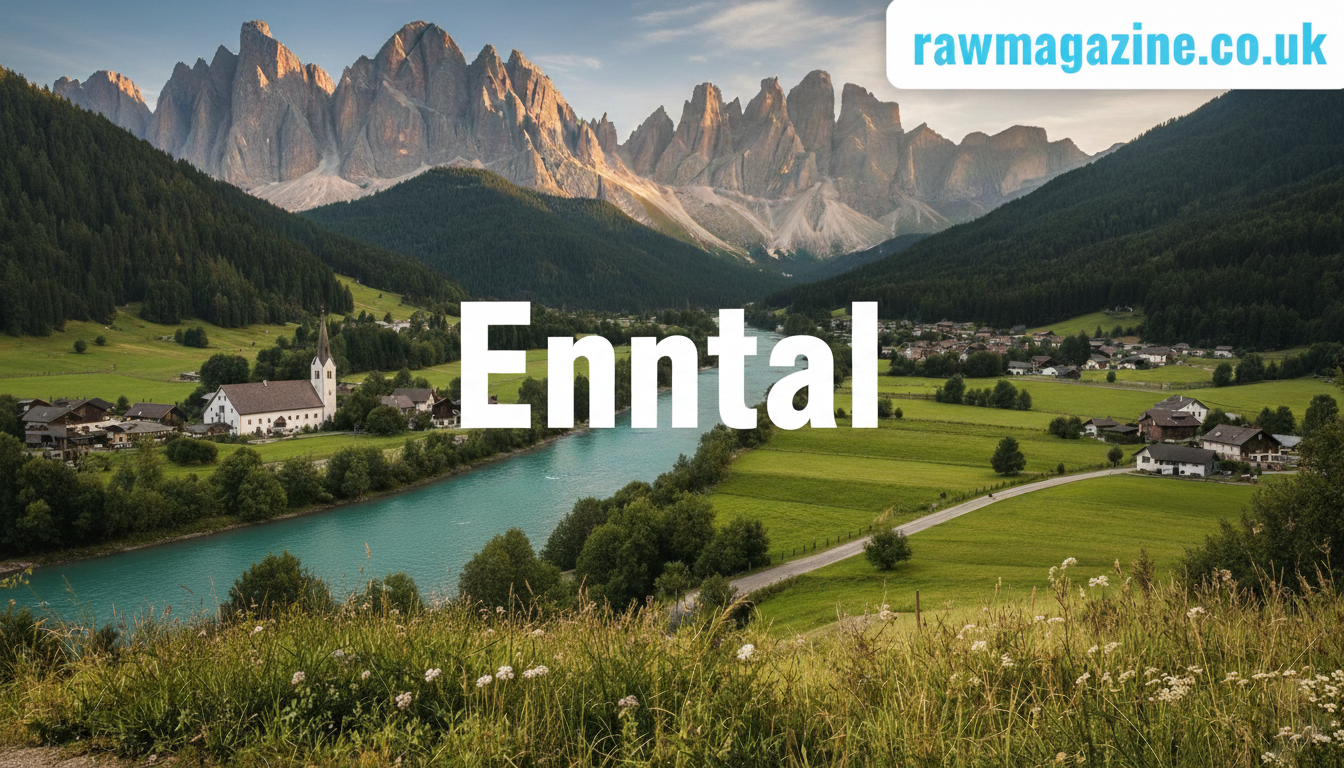
Enntal: A Deep Dive Into the Valley’s Culture, Nature, and Modern Charm
Discover Enntal’s stunning valley landscapes, rich traditions, outdoor adventures, and modern lifestyle appeal in this complete and detailed guide.

Introduction
Enntal is one of those places that sounds simple at first—just a valley, just a region—but quickly reveals itself as something far more layered and fascinating. Whether you’re hearing the name for the first time or you’ve seen it mentioned in travel guides, local history references, or regional maps, Enntal carries a unique identity shaped by landscapes, communities, traditions, and a slow-but-steady modern evolution. It’s not just a location—it’s a living story of nature meeting human life.
In this guide, you’ll learn what Enntal truly is, why it matters, what makes it culturally and geographically special, and how it fits into modern travel, lifestyle, and regional development. By the end, you won’t just recognize the word Enntal—you’ll understand the meaning behind it.
Quick Facts About Enntal (Overview Table)
Before we explore deeper, here’s a simple snapshot that helps frame what Enntal represents.
| Category | Details |
|---|---|
| Name Meaning | “Enn Valley” (German: Tal = valley) |
| Type of Place | Geographic valley region |
| Known For | Alpine landscapes, rivers, villages, hiking culture |
| Key Feature | The River Enn (or Enns in many contexts) |
| Common Appeal | Tourism, nature travel, rural lifestyle, heritage |
| Best Experience | Scenic routes, mountain trails, traditional towns |
This table may look basic, but it highlights something important: Enntal is less about one single attraction and more about an entire regional experience.
What Is Enntal? Understanding the Meaning and Identity
At its core, Enntal refers to a valley region associated with the Enn (often connected historically and linguistically with the Enns River). The name itself comes from German roots, where “Tal” means valley. So, when people say Enntal, they’re often describing the natural valley landscape shaped by a river system and the communities that developed around it.
But here’s where it gets interesting: valleys aren’t just landforms. They’re natural highways of history. They guide trade, settlement, farming, and even language patterns. Enntal isn’t simply “a valley,” but a corridor where human life has adapted to the rhythm of water, mountains, and seasons.
If you imagine a valley like a long open hand, Enntal is the palm where people have lived for centuries—protected by slopes, nourished by water, and connected through natural routes.
Why Enntal Matters: More Than Just a Scenic Location
It’s easy to assume valleys are mainly tourist postcards—green fields, wooden homes, snowy peaks in the distance. But Enntal matters because it represents a broader European alpine lifestyle that is becoming rarer in modern times.
In many parts of the world, people live fast, build upward, and expand endlessly. Valleys like Enntal remind us of another way: living with the land instead of fighting it.
Enntal also plays an important role in how regions maintain cultural memory. Traditions such as seasonal festivals, folk music, mountain farming, and local craftsmanship often survive longer in valley regions because they are naturally connected and community-driven.
Even in modern development, Enntal acts like a bridge between rural tradition and modern infrastructure. Roads, railways, and regional industries often pass through valleys because valleys provide the easiest natural route through mountain terrain.
So yes, Enntal is beautiful—but it’s also strategic, cultural, and deeply human.
The Geography of Enntal: How the Landscape Shapes Everything
Enntal’s identity is strongly shaped by its geography. Valleys are formed by rivers and glaciers over thousands of years, carving pathways through rock and soil. Over time, these paths become fertile, livable, and extremely valuable.
A Valley Built by Water and Time
One of the defining features of Enntal is its relationship with the river system. Rivers don’t just bring water; they bring life. They create fertile soil for farming, they enable trade routes, and they naturally shape where towns develop.
If you’ve ever walked beside a river in a valley, you know the feeling: everything seems aligned. The air feels cleaner. The land feels organized. The environment makes sense. That’s because valleys are naturally structured ecosystems.
Climate and Seasonal Personality
Enntal likely experiences a climate pattern common to alpine valley regions—cold winters, mild-to-warm summers, and dramatic seasonal transitions. And those transitions aren’t just weather shifts; they define how people live.
In winter, valleys can feel enclosed and peaceful, like nature pulling a blanket over itself. In summer, the same valley becomes alive—green hills, hikers, cyclists, open-air cafés, and local events.
That seasonal rhythm is part of the Enntal experience. You don’t just visit it—you feel it change.
Nature in Enntal: The Real Luxury Is the Outdoors
People often chase luxury in the form of expensive hotels or flashy attractions. But Enntal offers a different kind of luxury: space, silence, and nature that doesn’t feel manufactured.
Hiking, Trails, and Quiet Adventure
Enntal is the kind of place where hiking isn’t just a hobby—it’s part of life. Trails may range from gentle valley walks to intense mountain climbs. And unlike crowded tourist hotspots, valley regions tend to offer trails that still feel personal.
A hike in Enntal isn’t about “checking a box.” It’s more like reading a slow novel. Every turn shows a different view, every climb changes the air, and every rest spot feels earned.
Wildlife and Ecosystem Balance
Valleys support diverse ecosystems because they sit between different elevations. That means Enntal may offer forests, riverside habitats, mountain meadows, and rocky slopes all within one region.
This layered environment supports wildlife such as deer, foxes, alpine birds, and smaller mammals. Even if you don’t see them, you feel their presence in the natural quiet.
And that’s the magic—Enntal doesn’t have to shout to impress you.
Enntal Culture: Traditions That Still Feel Alive
One of the strongest reasons people fall in love with Enntal is the culture. Valley culture tends to be proud, grounded, and deeply connected to the land.
Community Life and Local Pride
In many valley towns, community isn’t a concept—it’s daily life. People know each other. Families stay rooted for generations. Local gatherings aren’t forced; they’re natural.
This creates a warmth that visitors immediately notice. You might walk into a small café and feel like you’ve stepped into someone’s home. The conversations may be in a local dialect, but the hospitality is universal.
Food That Reflects the Landscape
The food culture in Enntal is likely shaped by what the land provides—dairy, grains, seasonal vegetables, river fish, and preserved meats. Mountain farming tends to produce hearty meals, not fancy ones.
But hearty doesn’t mean boring. It means food with purpose.
Think of it like this: city food is often designed for excitement. Valley food is designed for survival, comfort, and tradition. And that makes it unforgettable.
Enntal as a Travel Destination: Who Should Visit and Why
Not every destination is for every traveler. Enntal attracts a specific kind of person—the one who wants meaning, not noise.
Ideal Travelers for Enntal
Enntal is perfect for people who love scenic landscapes, long walks, and authentic regional culture. It’s also ideal for travelers who want a break from crowded tourist traps and prefer quiet exploration.
If you enjoy waking up early, breathing fresh air, and watching the light hit the mountains, Enntal will feel like a dream.
What Makes Enntal Different From Typical Alpine Hotspots
Some mountain regions become commercialized. They’re beautiful, but they feel staged—gift shops everywhere, overpriced meals, and crowds taking the same photos.
Enntal tends to feel more natural and lived-in. It’s not trying to impress you. It just exists, confidently.
That’s why people who visit often don’t just come once—they return.
Enntal’s Lifestyle Appeal: Why People Want to Live There
Enntal isn’t only a destination. For many, it’s a lifestyle goal.
The Rise of Slow Living
Modern life is fast, loud, and mentally exhausting. Many people are starting to crave “slow living”—a lifestyle built around calm routines, nature, and community.
Enntal naturally supports that lifestyle. It offers the kind of environment where you can hear yourself think. You can walk instead of drive. You can measure your day by sunlight instead of notifications.
Remote Work and the New Valley Economy
With remote work becoming more common, places like Enntal are gaining attention. People can now earn city-level income while living in a peaceful rural region.
That shift is changing valley economies. Local cafés become coworking spaces. Old homes are renovated. Tourism expands into long-term stays.
This isn’t always perfect—development can bring challenges—but it’s part of Enntal’s modern transformation.
Economic and Development Trends in Enntal
Enntal’s economy is likely shaped by a combination of tourism, agriculture, regional services, and small industries. Valleys often act as economic arteries because they connect different areas through transport routes.
Traditional Industries That Still Matter
Agriculture remains a major backbone in valley regions. Dairy farming, cattle grazing, and seasonal harvesting are common economic activities in alpine valleys.
These aren’t just jobs—they’re traditions. A farming family in Enntal may be doing the same work their ancestors did centuries ago, just with better equipment.
Modern Growth and Tourism Expansion
Tourism can be both a gift and a burden. On one hand, it brings income and supports local businesses. On the other, it can raise property costs and strain infrastructure.
Enntal’s challenge, like many beautiful regions, is balancing growth with preservation. The best valley communities protect their identity while still welcoming progress.
Comparing Enntal With Other Valley Regions
To understand Enntal better, it helps to compare it with similar geographic regions.
| Feature | Enntal | Typical Urban Region | Other Alpine Valleys |
|---|---|---|---|
| Pace of Life | Calm, seasonal | Fast, constant | Calm but varies |
| Main Appeal | Nature + tradition | Jobs + entertainment | Often tourism-heavy |
| Community Feel | Strong and local | Often disconnected | Moderate to strong |
| Cost Trend | Rising in demand | High and stable | High in famous areas |
| Visitor Experience | Authentic and peaceful | Busy and commercial | Sometimes crowded |
This comparison highlights why Enntal stands out. It offers a blend of authenticity and beauty that many places lose when they become too popular.
Things to Do in Enntal: Experiences That Actually Feel Real
People often ask what to “do” in a valley. The truth is, Enntal isn’t about doing one big activity. It’s about layering experiences.
Scenic Drives and Valley Routes
Valleys naturally create beautiful travel routes. Driving through Enntal can feel like watching a movie where every scene is a postcard. Mountains shift in the background, villages appear like storybook settings, and the river keeps you company like an old friend.
Local Markets and Seasonal Festivals
If you visit at the right time, you might catch local markets filled with handmade goods, cheeses, baked items, and regional crafts.
Festivals in valley regions often celebrate harvest seasons, cultural saints’ days, or local heritage. These events aren’t designed for tourists—they’re designed for the community. That’s what makes them special.
Outdoor Sports Beyond Hiking
Enntal is likely a strong destination for cycling, skiing (in winter areas), and possibly rafting or fishing depending on river conditions.
Even if you’re not an athlete, the outdoors here has a way of making you move. It’s like your body remembers it was built for walking.
Challenges Facing Enntal in the Modern Era
No region is perfect. Enntal faces real challenges, especially as modern lifestyles collide with traditional environments.
Environmental Pressure
As tourism grows, environmental strain grows too. More visitors mean more waste, more traffic, and more demand for new buildings.
The biggest risk is turning a natural valley into a commercial product. Once that happens, it’s hard to reverse.
Youth Migration and Changing Demographics
Another challenge is youth migration. Younger generations often leave valley towns for education and careers in bigger cities. This can create an aging population and threaten local traditions.
However, remote work and sustainable tourism are slowly reversing this trend in some regions.
Housing and Cost of Living
When outsiders fall in love with a place like Enntal, housing demand increases. That can push locals out of the market, especially younger families.
The future of Enntal depends on thoughtful planning—protecting the community while welcoming growth.
Enntal in the Future: What’s Next for This Valley Region?
The future of Enntal will likely revolve around balance. That’s the key word.
Valleys can’t stay frozen in time. People need jobs, infrastructure, and opportunities. But at the same time, the valley’s identity is its greatest asset. If Enntal loses its natural beauty and cultural authenticity, it loses what makes it valuable in the first place.
The most promising future is one where Enntal embraces sustainable development, supports local businesses, encourages eco-tourism, and invests in preserving its environment.
Think of it like restoring an old house. You modernize the plumbing and electricity, but you don’t tear down the original charm. Enntal deserves the same respect.
Key Highlights of Enntal (Snapshot Table)
Here’s a final quick-reference table that sums up what makes Enntal special.
| Category | Why It Stands Out |
|---|---|
| Landscape | Valley scenery with river-driven beauty |
| Culture | Traditional community lifestyle and heritage |
| Tourism Style | Quiet, authentic, and nature-focused |
| Lifestyle | Perfect for slow living and mental reset |
| Economic Role | Mix of agriculture, travel, and local industry |
| Future Potential | Strong if development stays balanced |
Conclusion
Enntal is far more than a geographical term—it’s a living region shaped by nature, history, and community identity. From its valley landscapes and river-based ecosystem to its deep-rooted traditions and modern tourism appeal, Enntal represents a rare blend of peace and purpose.
What makes Enntal truly special is that it doesn’t feel artificial. It feels earned. The beauty isn’t staged, the culture isn’t manufactured, and the lifestyle isn’t rushed. Whether you’re exploring it as a traveler, studying it as a cultural region, or dreaming of a slower life surrounded by Mountains, Enntal offers something meaningful.
If there’s one takeaway worth remembering, it’s this: Enntal isn’t a place you simply visit—it’s a place you experience slowly. And in today’s world, that might be one of the most valuable experiences of all.
Frequently Asked Questions (FAQs)
1. What does Enntal mean?
Enntal typically means “Enn Valley,” combining the river name with the German word Tal, meaning valley. It refers to a geographic region shaped by river landscapes.
2. Is Enntal a good place to visit for nature lovers?
Yes, Enntal is ideal for nature lovers because it offers scenic valley views, mountain trails, and a peaceful environment that feels less crowded than major tourist hubs.
3. What kind of activities can you do in Enntal?
Common activities include hiking, cycling, scenic drives, cultural festivals, and seasonal outdoor sports. It’s more about immersive experiences than fast-paced attractions.
4. Is Enntal suitable for families and relaxed travel?
Absolutely. Enntal’s calm atmosphere, open landscapes, and community-friendly vibe make it great for families, couples, and travelers who prefer quiet exploration.
5. Why is Enntal becoming more popular?
Enntal is gaining attention due to rising interest in slow living, remote work flexibility, and travel trends that prioritize authentic cultural experiences and natural beauty.

Introduction
Modern life places heavy physical and mental demands on men. Stress, poor sleep, unhealthy diets, and aging can gradually affect energy levels, confidence, and overall well-being. In recent years, many people have started exploring natural ways to restore balance and vitality. One concept that has gained attention in this space is Truvirility—a wellness approach often associated with supplements designed to support male energy, stamina, and hormonal balance.
At its core, Truvirility focuses on helping men maintain vitality through natural ingredients and lifestyle support. Rather than relying on synthetic stimulants or instant fixes, it emphasizes long-term wellness by supporting the body’s own biological systems. Many men turn to such products to address fatigue, reduced stamina, or declining motivation as they age.
This comprehensive guide explores what Truvirility is, how it works, its ingredients, benefits, potential risks, and how it fits into a broader approach to men’s health. By the end, you will understand whether this wellness concept aligns with your personal health goals and lifestyle.
What Is Truvirility?
Truvirility generally refers to a natural male wellness supplement or concept focused on supporting vitality, stamina, and hormonal health. It is often formulated with plant extracts, minerals, and amino acids that work together to support energy production, circulation, and reproductive health.
Unlike products that promise immediate performance changes, Truvirility aims to provide gradual improvements by helping the body function more efficiently. This means it targets root causes such as hormonal imbalance, fatigue, and stress rather than offering temporary stimulation.
Many users explore Truvirility when they experience challenges such as:
- Low daily energy
- Reduced libido or confidence
- Decreased physical endurance
- Lifestyle-related fatigue
Because it relies heavily on natural compounds, it is typically marketed as a supportive wellness tool rather than a medical treatment.
Quick Overview of Truvirility
| Feature | Details |
|---|---|
| Product Type | Natural male vitality supplement |
| Primary Purpose | Support energy, stamina, and hormonal balance |
| Typical Form | Capsules taken daily |
| Key Ingredient Types | Herbs, amino acids, vitamins, and minerals |
| Target Users | Adult men experiencing fatigue, reduced stamina, or declining vitality |
| Approach | Gradual improvement through natural body support |
This overview highlights the fundamental idea behind Truvirility: restoring vitality by supporting the body’s natural processes rather than forcing immediate results.
Why Male Vitality Declines Over Time
Understanding why men seek products like Truvirility requires looking at common lifestyle and biological factors that affect male health.
Hormonal Changes
Testosterone naturally declines with age. Even small reductions in this hormone can influence energy levels, mood, muscle strength, and sexual health. When hormonal balance shifts, many men experience fatigue and decreased motivation.
Modern Lifestyle Stress
Work pressure, lack of sleep, and constant digital distractions can lead to chronic stress. Elevated stress hormones can interfere with natural hormone production and reduce overall vitality.
Nutritional Deficiencies
Many men lack essential nutrients such as zinc, magnesium, and vitamin D. These nutrients play important roles in hormone regulation and energy metabolism.
Reduced Physical Activity
Sedentary lifestyles weaken muscles and slow metabolism. This often leads to reduced stamina, lower confidence, and increased fatigue.
Truvirility products attempt to address these factors by providing nutrients and herbal compounds that support energy production, circulation, and hormonal balance.
Key Ingredients Commonly Found in Truvirility
Natural supplements typically rely on combinations of plant extracts, amino acids, and minerals. Each ingredient contributes to a different aspect of wellness.
| Ingredient | Role in Male Health |
|---|---|
| Tribulus Terrestris | Supports testosterone activity and libido |
| Maca Root | Enhances stamina and endurance |
| L-Arginine | Improves blood circulation |
| Zinc | Supports hormone production and immunity |
| Tongkat Ali | Traditionally used for energy and stress balance |
| Ashwagandha | Helps manage stress and supports vitality |
These ingredients are commonly used because they have long histories in traditional health practices and may support energy and performance when combined with healthy habits.
How These Ingredients Work Together
Rather than targeting a single issue, Truvirility formulas aim to support several biological processes simultaneously. For example:
- Amino acids may improve circulation.
- Minerals help regulate hormones.
- Herbal adaptogens support stress resilience.
This multi-layered approach is designed to enhance overall vitality rather than focusing on a single outcome.
How Truvirility Supports Male Health
Energy and Daily Stamina
Many ingredients used in Truvirility formulas are associated with improved cellular energy production. When the body produces energy more efficiently, fatigue may decrease and productivity can increase.
For example, maca root has traditionally been used to improve endurance and reduce tiredness, making it popular among athletes and active individuals.
Hormonal Balance
Minerals such as zinc play an essential role in hormone production. Adequate zinc intake supports testosterone regulation, which can influence energy, muscle strength, and mood.
When hormonal levels are balanced, many men report improvements in overall motivation and well-being.
Circulation and Physical Performance
Healthy blood circulation is essential for muscle function and physical endurance. Ingredients like L-arginine help produce nitric oxide, which relaxes blood vessels and improves blood flow.
Improved circulation can contribute to better athletic performance and overall vitality.
Mood and Mental Clarity
Stress and fatigue can negatively affect mental focus. Adaptogenic herbs such as ashwagandha may help the body cope with stress more effectively.
This can lead to improved concentration, reduced anxiety, and better emotional balance.
Potential Benefits of Truvirility
While results vary depending on lifestyle and individual health conditions, users commonly report several potential benefits.
| Benefit | Explanation |
|---|---|
| Increased energy | Supports natural metabolic processes |
| Improved stamina | Helps maintain endurance during activities |
| Enhanced confidence | Greater vitality often improves self-confidence |
| Better hormonal balance | Nutrients support hormone regulation |
| Improved mood | Adaptogenic herbs may reduce stress effects |
These benefits usually develop gradually over several weeks rather than appearing immediately.
Real-World Example: A Lifestyle Transformation
Consider a hypothetical example.
David, a 42-year-old professional, noticed that he felt tired most evenings and struggled to maintain consistent workouts. After improving his sleep habits, exercising regularly, and incorporating a natural supplement similar to Truvirility, he gradually regained his energy.
Within two months, he reported better motivation at work and more stamina during physical activity. While lifestyle changes played a major role, nutritional support helped him maintain consistent progress.
This example highlights an important point: supplements often work best when combined with healthy routines.
Lifestyle Factors That Enhance Results
A supplement alone rarely produces dramatic changes. The following habits can amplify the benefits associated with Truvirility.
Balanced Nutrition
Consuming protein, healthy fats, and nutrient-rich vegetables provides the foundation for hormone production and energy metabolism.
Regular Exercise
Strength training and cardiovascular exercise naturally stimulate hormone production and improve endurance.
Quality Sleep
Sleep is essential for hormone regulation and muscle recovery. Most adults require seven to eight hours per night.
Stress Management
Mindfulness, meditation, or outdoor activities can reduce chronic stress, helping the body maintain hormonal balance.
When combined with these habits, supplements designed for vitality may produce more noticeable improvements.
Potential Side Effects and Safety Considerations
Even natural supplements can cause side effects for some individuals.
| Possible Effect | Description |
|---|---|
| Mild digestive discomfort | Some herbs may irritate the stomach initially |
| Headaches | Circulation-enhancing ingredients may trigger headaches |
| Increased heart rate | Rare but possible with certain herbal compounds |
| Allergic reactions | Possible if sensitive to plant ingredients |
Men with heart conditions, hormone disorders, or those taking medications should consult a healthcare professional before starting any supplement.
Another important consideration is that scientific research on some ingredient combinations remains limited, meaning results can vary significantly between individuals.
Truvirility vs. Synthetic Hormone Treatments
| Factor | Truvirility | Synthetic Hormone Therapy |
|---|---|---|
| Source | Natural herbs and nutrients | Laboratory-produced hormones |
| Method | Supports natural hormone production | Direct hormone replacement |
| Risk Level | Generally lower when used correctly | Higher potential side effects |
| Accessibility | Over-the-counter supplement | Requires medical prescription |
This comparison highlights why many individuals prefer natural approaches first before considering medical treatments.
Is Truvirility Right for You?
Truvirility may appeal to men who:
- Want natural support for energy and stamina
- Experience mild fatigue or decreased motivation
- Prefer plant-based wellness solutions
- Are committed to improving lifestyle habits
However, it may not be appropriate for individuals with serious health conditions or those seeking immediate medical treatment.
Understanding personal health goals and consulting a professional can help determine whether such supplements are suitable.
Conclusion
Truvirility represents a growing movement toward natural male wellness. Instead of focusing solely on quick fixes, it encourages a broader approach that includes nutrition, exercise, stress management, and supportive supplementation.
By combining herbal extracts, minerals, and amino acids, Truvirility aims to support energy production, Hormonal balance, and overall vitality. Many men explore it as part of a lifestyle shift toward improved physical and mental well-being.
However, supplements should never replace healthy habits or professional medical advice. When combined with balanced nutrition, regular exercise, and adequate sleep, they may contribute to long-term vitality and confidence.
Ultimately, the most effective path to wellness is a holistic one—where natural support, healthy routines, and informed choices work together to create lasting results.
Frequently Asked Questions (FAQs)
1. What does Truvirility mean?
Truvirility generally refers to natural male vitality support, often through supplements designed to improve energy, stamina, and hormonal balance.
2. How long does it take to notice results from Truvirility?
Many users report gradual improvements within three to six weeks, though results depend on lifestyle, diet, and consistency.
3. Is Truvirility safe to use?
When taken as directed, products using natural ingredients are generally considered safe, but individuals with health conditions should consult a healthcare professional.
4. Can younger men use Truvirility?
Yes, although it is most commonly used by men experiencing fatigue or lifestyle-related energy decline.
5. Does Truvirility replace healthy habits?
No. Supplements work best when combined with proper nutrition, exercise, and sufficient sleep.
Introduction
Movement has always shaped human progress. From ancient trade paths to modern highways and digital navigation systems, the way we connect locations determines how efficiently people, goods, and ideas travel. Southrout represents a modern approach to route connectivity—one that blends infrastructure, planning, and technology to create smarter, more reliable pathways between regions. Whether used in transportation planning, logistics management, or travel coordination, Southrout reflects the growing demand for systems that reduce friction and improve accessibility.
In today’s interconnected world, reliable route networks are more important than ever. Cities are expanding, supply chains are becoming more complex, and travelers expect faster, safer journeys. Southrout addresses these needs by emphasizing intelligent routing strategies, integrated planning, and adaptable infrastructure. By understanding how this system works and why it matters, readers can gain deeper insight into the evolving landscape of transportation and connectivity.
What Is Southrout?
At its core, Southrout refers to an organized system or framework designed to improve movement across southern corridors or directional pathways within a broader network. It can apply to road planning, transport routes, digital navigation frameworks, or strategic connectivity projects linking regions.
Unlike traditional routing models that rely heavily on static infrastructure, Southrout approaches routing dynamically. It considers factors such as regional development, traffic patterns, climate conditions, and economic activity. By aligning infrastructure with real-world usage patterns, the concept encourages smoother mobility and stronger regional integration.
This approach also reflects a shift toward systems thinking. Instead of focusing solely on individual roads or transport links, Southrout examines how multiple routes interact with one another. A highway, a shipping lane, and a railway corridor may all contribute to the same broader pathway that enables efficient movement across territories.
Historical Context of Route Development
Human civilization has always relied on routes to expand trade, migration, and cultural exchange. The earliest pathways were simple trails connecting villages, but they eventually evolved into organized trade routes linking continents.
Ancient networks such as the Silk Road demonstrated how powerful a well-connected route system could be. Merchants moved goods across thousands of miles, spreading ideas and technologies along the way. Over centuries, these early networks inspired modern transport planning principles.
As industrialization accelerated, governments began designing structured corridors to support growing economies. Railways, highways, and maritime channels became essential arteries of commerce. Concepts similar to Southrout emerged naturally from the need to coordinate these routes efficiently across expanding regions.
Today’s transportation systems draw heavily from these historical lessons, combining traditional route planning with modern digital analysis and predictive modeling.
Core Principles Behind Southrout
Southrout operates on several key principles that guide how routes are designed and maintained.
First, connectivity remains central. Routes should link key economic and population centers in ways that reduce travel time and increase reliability. A well-connected network allows communities to thrive and encourages regional collaboration.
Second, adaptability plays an important role. Infrastructure must respond to changing patterns of movement. For example, seasonal travel, population shifts, or economic growth may require adjustments in routing strategies.
Third, integration ensures that different transportation modes work together rather than competing for efficiency. Road networks, rail corridors, air transport hubs, and maritime routes must align to create seamless mobility.
These principles help transform isolated transportation systems into cohesive networks that support long-term development.
How Southrout Supports Regional Connectivity
Regional connectivity is one of the most significant benefits associated with Southrout. When areas become more accessible through well-planned routes, economic opportunities expand and communities grow stronger.
Businesses gain access to broader markets. Manufacturers can ship products more efficiently, while service providers reach new customers. At the same time, workers can travel more easily between cities, expanding employment opportunities.
Tourism also benefits from improved route connectivity. Travelers prefer destinations that are easy to reach, safe to navigate, and supported by reliable infrastructure.
Example Connectivity Benefits
- Faster travel between regional hubs
- Improved logistics efficiency
- Greater economic collaboration across regions
These improvements create a ripple effect, encouraging investment and innovation throughout connected areas.
Key Components of a Southrout System
A well-developed Southrout framework typically includes several interconnected elements. Each component plays a role in maintaining efficient movement and minimizing disruptions.
Infrastructure Planning
Infrastructure planning focuses on physical routes such as highways, bridges, railways, and ports. Engineers and planners must evaluate geography, population density, and environmental conditions to design reliable pathways.
Data-Driven Routing
Modern routing increasingly relies on real-time data. Traffic sensors, satellite monitoring, and digital mapping tools help planners understand how routes are used daily.
Coordination Across Regions
Effective routing requires collaboration among municipalities, regional authorities, and private operators. Coordinated planning ensures that routes do not end abruptly at administrative boundaries.
Table: Overview of Southrout Framework Elements
| Component | Purpose | Impact |
|---|---|---|
| Infrastructure Corridors | Provide physical pathways for transport | Enables movement of people and goods |
| Data Monitoring Systems | Track traffic patterns and usage | Supports smarter planning decisions |
| Regional Coordination | Align planning across jurisdictions | Prevents fragmentation of networks |
| Environmental Integration | Protect ecosystems during development | Encourages sustainable expansion |
Practical Applications of Southrout
Southrout principles can be applied across multiple sectors. These applications demonstrate the flexibility and adaptability of the framework.
Logistics and Supply Chains
Modern supply chains require predictable transport routes. Efficient routing reduces delays and helps companies manage inventory more effectively. With better route coordination, goods move smoothly between production facilities, distribution centers, and retail markets.
Urban Transportation
Cities rely on organized route systems to prevent congestion and maintain mobility. Urban planners often use corridor-based strategies similar to Southrout to distribute traffic across multiple pathways instead of concentrating it on a single road.
Travel and Tourism
Tourism infrastructure benefits from clearly defined routes linking airports, cities, and cultural destinations. When travelers can navigate easily between locations, they tend to stay longer and explore more areas.
Table: Sector Applications of Southrout
| Sector | Example Use | Benefit |
|---|---|---|
| Logistics | Distribution routes connecting warehouses | Faster deliveries |
| Urban Planning | Coordinated city corridors | Reduced congestion |
| Tourism | Scenic travel pathways | Increased visitor access |
| Regional Trade | Freight corridors between markets | Lower transportation costs |
Challenges in Developing Effective Route Systems
Despite its advantages, implementing a large-scale routing framework like Southrout can present challenges.
Infrastructure development often requires significant investment. Governments and organizations must balance financial resources with long-term benefits. In some regions, limited funding slows down route expansion.
Environmental concerns also play a role. Construction projects can affect ecosystems, wildlife habitats, and water systems. Responsible planning requires careful assessment and mitigation strategies.
Another challenge involves coordination among multiple stakeholders. Transportation networks often cross administrative boundaries, requiring collaboration among various authorities.
These challenges highlight the importance of strategic planning and transparent decision-making.
Technology’s Role in Modern Route Networks
Technological advancements have dramatically improved route planning capabilities. Today’s systems can analyze traffic patterns, weather conditions, and population trends in real time.
Navigation platforms use satellite positioning and digital mapping to guide travelers through complex networks. Logistics companies track shipments across continents using connected sensors and automated planning systems.
Data analysis also helps planners anticipate future transportation demands. By studying historical trends and projected growth patterns, route designers can create systems that remain effective for decades.
The integration of technology with infrastructure planning makes systems like Southrout far more efficient than earlier routing models.
Table: Technology Enhancing Route Networks
| Technology | Function | Example Use |
|---|---|---|
| Satellite Navigation | Provides accurate positioning | Vehicle navigation systems |
| Traffic Sensors | Monitor real-time traffic flow | Urban traffic control |
| Data Analytics | Predict movement trends | Transport planning |
| Automated Mapping | Update digital maps instantly | Navigation apps |
The Future of Connected Route Systems
As populations grow and economies become increasingly interconnected, route networks will continue evolving. Future systems will likely emphasize sustainability, digital integration, and multi-modal connectivity.
Electric transport corridors may become more common, supporting vehicles that rely on charging infrastructure along major routes. Autonomous vehicles could also influence how routes are designed and managed.
Another emerging trend involves regional collaboration across national borders. Shared corridors connecting countries can support trade and cultural exchange while improving global mobility.
In this evolving environment, frameworks such as Southrout demonstrate how coordinated route planning can shape the future of transportation.
Conclusion
Efficient routes are the backbone of modern mobility. They determine how easily people travel, how quickly goods reach markets, and how effectively regions connect with one another. Southrout represents a forward-looking approach to route development—one that emphasizes integration, adaptability, and strategic planning.
By combining infrastructure development with real-time data and collaborative planning, systems like Southrout help reduce congestion, improve logistics efficiency, and support economic growth. From urban corridors to international trade Routes, well-designed pathways strengthen communities and expand opportunities.
As transportation continues to evolve, thoughtful route planning will remain essential. Understanding frameworks such as Southrout offers valuable insight into how modern networks can support sustainable growth and more connected societies.
Frequently Asked Questions (FAQs)
1. What does Southrout refer to?
Southrout generally describes a structured approach to route planning that improves connectivity across transportation corridors. It focuses on integrating infrastructure, data analysis, and regional coordination.
2. Why are coordinated route systems important?
Coordinated routes reduce congestion, shorten travel times, and improve efficiency for logistics and travel. They also support economic development by connecting markets and communities.
3. Can Southrout concepts apply to urban areas?
Yes. Cities often use corridor-based route planning to distribute traffic and maintain mobility. This approach helps prevent bottlenecks and supports public transportation networks.
4. What technologies support modern route planning?
Technologies such as satellite navigation, traffic monitoring systems, and data analytics help planners design and manage efficient route networks.
5. How might route systems evolve in the future?
Future systems may include electric transport corridors, autonomous vehicle pathways, and expanded international connectivity to support growing global movement.

Introduction
Few plants capture attention as effortlessly as the succulent. With their thick, fleshy leaves, fascinating shapes, and remarkable resilience, succulents have become a favorite for gardeners, apartment dwellers, and plant enthusiasts alike. Whether sitting in a tiny desk pot or filling an entire garden bed, a succulent offers beauty with minimal effort. Their ability to store water in leaves and stems allows them to survive in harsh conditions where many plants cannot thrive.
But the appeal of the succulent goes beyond convenience. These plants bring natural artistry into living spaces, blending geometry, texture, and color in ways that feel both modern and timeless. From the famous rosette shape of Echeveria to the sculptural elegance of Aloe, succulents offer endless variety and creativity.
This guide explores everything worth knowing about the succulent world—from origins and plant structure to care techniques, propagation methods, and design ideas. Whether someone is starting their first plant collection or expanding an existing garden, understanding how succulents grow and thrive helps transform simple greenery into a thriving, long-lasting display.
What Is a Succulent?
A succulent is a type of plant that stores water within its leaves, stems, or roots. This unique adaptation allows these plants to survive extended periods of drought and extreme climates. Most succulents originate from dry regions such as deserts, rocky hillsides, and semi-arid landscapes.
Unlike typical houseplants, Succulents develop thick tissues designed specifically for water retention. These tissues act like natural reservoirs. When rain arrives, the plant absorbs water quickly and stores it for later use. During dry periods, the plant slowly uses this stored moisture to sustain itself.
Succulents also evolved protective features that help reduce water loss. Many species have waxy coatings, tiny hairs, or compact growth forms that limit evaporation. These characteristics not only support survival but also contribute to the plant’s visual charm.
Another defining trait is diversity. The succulent category includes thousands of species spread across dozens of plant families. Some resemble roses, others resemble stones, and a few even look like miniature trees.
Quick Overview of Succulent Plants
| Feature | Details |
|---|---|
| Plant Type | Water-storing plants |
| Typical Habitat | Arid and semi-arid regions |
| Water Needs | Low to moderate |
| Light Requirements | Bright indirect to direct sunlight |
| Lifespan | Several years to decades depending on species |
| Popular Uses | Indoor plants, decorative gardens, landscaping |
Why Succulents Became So Popular
Minimal Maintenance Lifestyle
One of the biggest reasons people love a succulent is its forgiving nature. Many plants require frequent watering, pruning, and careful environmental control. Succulents, however, tolerate occasional neglect far better than most houseplants.
Busy professionals, students, and travelers often choose these plants because they remain healthy even when care routines are inconsistent. A well-placed succulent may thrive for weeks without watering.
Stunning Visual Variety
Another factor behind their popularity is aesthetic diversity. Succulents display a wide range of colors, shapes, and textures. Some produce spiraled leaf arrangements while others form clusters of tiny geometric leaves.
Many species also change color depending on sunlight and temperature. Soft greens may turn into shades of pink, purple, or red under strong light conditions, creating an evolving visual display.
Ideal for Small Living Spaces
Urban living often means limited gardening space. Succulents adapt well to containers, making them perfect for balconies, window sills, desks, and shelves. Even a small pot can host a thriving succulent that adds life and warmth to an otherwise minimal space.
Common Types of Succulents
Thousands of species exist, but a few varieties dominate home gardens and indoor plant collections.
| Succulent Type | Key Characteristics | Ideal Use |
|---|---|---|
| Aloe | Thick pointed leaves, medicinal gel | Indoor plant or outdoor warm climates |
| Echeveria | Rosette shape with pastel colors | Decorative pots and arrangements |
| Jade Plant | Tree-like growth with glossy leaves | Long-term indoor plant |
| Haworthia | Small, striped leaves | Desk plants and small containers |
| Sedum | Spreading ground cover | Outdoor gardens and rock landscapes |
Each variety offers slightly different care needs, yet most follow similar general principles regarding light, soil, and watering.
The Natural Habitat of Succulent Plants
Understanding where a succulent originates helps explain its care requirements. Most species evolved in environments where rainfall is rare and temperatures fluctuate dramatically.
Deserts, rocky plateaus, and mountainous regions provide the typical home for these plants. In such locations, soil drains quickly and organic material is scarce. Rainwater disappears within minutes, leaving plants dependent on stored moisture.
This environment shapes every aspect of succulent biology. Thick leaves act as water storage units, while shallow roots absorb moisture rapidly during short rain events. Many species also grow close to the ground, minimizing exposure to harsh winds and sun.
Because of this background, recreating similar conditions at home often leads to the healthiest plants.
How Succulents Store Water
The defining trait of a succulent lies in its ability to retain water within specialized plant tissues. These tissues contain cells designed to hold moisture efficiently.
Inside these cells, water mixes with gel-like substances that slow evaporation. This internal storage allows the plant to maintain hydration even during extended dry periods.
Additionally, many succulents use a unique process called Crassulacean Acid Metabolism (CAM). This process allows plants to open pores at night rather than during the daytime heat. By absorbing carbon dioxide at night, they reduce water loss while still performing essential metabolic functions.
The result is a highly efficient survival system that explains why succulents thrive in places where other plants struggle.
Essential Care Tips for Succulent Plants
Light Requirements
Light plays a crucial role in the health of any Succulent. Most species prefer bright environments that mimic their natural desert habitats. A sunny window or well-lit room often provides sufficient exposure.
Insufficient light can cause a condition called stretching. When this happens, the plant grows elongated stems as it tries to reach more sunlight. Proper lighting helps maintain the compact, attractive shapes succulents are known for.
Watering the Right Way
Watering is where many beginners make mistakes. Because succulents store moisture, frequent watering can quickly lead to root rot.
Instead of watering on a fixed schedule, it is better to follow the “soak and dry” method. This means watering thoroughly and then allowing the soil to dry completely before watering again.
Two key principles help maintain healthy plants:
- Water deeply but infrequently
- Always allow soil to dry between watering sessions
This approach mirrors natural desert rainfall patterns.
Soil and Drainage
Succulents require fast-draining soil. Heavy garden soil traps moisture around roots and increases the risk of disease.
Specialized succulent soil mixes often contain sand, perlite, or pumice. These materials create air pockets that allow water to drain quickly while still providing stability for the roots.
Containers should also include drainage holes so excess water can escape easily.
Succulent Propagation: Growing New Plants
One of the most fascinating aspects of the succulent world is how easily these plants reproduce. Many species can grow entirely new plants from a single leaf or small cutting.
Leaf Propagation
Certain succulents, especially Echeveria and Sedum varieties, can regenerate from detached leaves. After gently removing a healthy leaf, it can be placed on dry soil. Over time, tiny roots and a miniature plant begin forming at the base.
This process may take several weeks, but watching a new plant emerge from a single leaf feels almost magical.
Stem Cuttings
For larger species such as jade plants, stem cuttings provide a reliable propagation method. A section of stem is cut, allowed to dry for several days, and then planted in soil. Roots typically develop within a few weeks.
Propagation allows gardeners to expand their collections without purchasing additional plants.
Creative Ways to Display Succulents
Succulents offer remarkable flexibility in decorative design. Because they grow slowly and require minimal water, they work well in creative arrangements.
Popular display ideas include:
- Terrariums with glass containers and layered stones
- Vertical gardens mounted on walls
- Tabletop arrangements mixing different species and textures
Many designers treat succulents like living sculptures. Their geometric forms complement modern interior design, while earthy tones fit perfectly into rustic spaces.
Common Problems and How to Solve Them
Even hardy plants encounter occasional challenges. Fortunately, most succulent problems are easy to fix once recognized.
| Problem | Cause | Solution |
|---|---|---|
| Mushy leaves | Overwatering | Allow soil to dry completely |
| Stretching stems | Lack of sunlight | Move plant to brighter location |
| Brown patches | Sunburn or heat stress | Provide partial shade temporarily |
| Dropping leaves | Sudden environmental changes | Stabilize temperature and watering |
Observing the plant closely usually reveals what it needs. Small adjustments in light or watering often restore healthy growth.
The Environmental Benefits of Succulent Plants
Succulents contribute more than aesthetic value. They also play a meaningful role in sustainable gardening practices.
Because these plants require less water than traditional garden plants, they help reduce water consumption in dry regions. Landscapes designed with drought-tolerant plants can significantly lower irrigation needs.
Succulents also improve indoor environments by adding greenery to living spaces. While they do not replace full air-purification systems, they contribute to a more natural and calming atmosphere.
For urban homes and apartments, this connection with nature often improves mood and reduces stress.
Conclusion
The succulent represents one of nature’s most remarkable examples of adaptation. Designed to survive harsh climates and limited water, these plants combine resilience with stunning beauty. Their thick leaves, fascinating forms, and vibrant colors transform simple spaces into living works of art.
From understanding how succulents store water to learning proper watering and propagation techniques, a little knowledge goes a long way in maintaining healthy plants. With the right balance of sunlight, well-draining soil, and careful watering, a succulent can thrive for years.
Whether placed on a sunny windowsill, arranged in decorative containers, or grown in outdoor gardens, succulents bring character and life into any environment. Their simplicity makes them accessible to beginners, while their diversity continues to captivate experienced gardeners.
For anyone looking to add Greenery without constant maintenance, succulents offer the perfect blend of practicality and natural beauty.
Frequently Asked Questions (FAQs)
1. How often should a succulent be watered?
Most succulents need watering every 2–3 weeks depending on climate and soil dryness. Always ensure the soil is completely dry before watering again.
2. Can succulents grow indoors?
Yes. Many succulent species grow very well indoors if placed near bright windows where they receive plenty of sunlight.
3. Why are my succulent leaves falling off?
Leaf drop usually occurs due to overwatering or sudden environmental changes such as temperature shifts or moving the plant.
4. Do succulents need fertilizer?
Succulents can benefit from light fertilization during the growing season, typically once every few months with diluted plant food.
5. Are succulents safe for pets?
Some succulents are pet-safe, while others may be toxic if ingested. Always research specific species before placing them near pets.
-

 Tech2 months ago
meaimee 3 Experience Guide for Smarter Conversations
-

 Tech2 months ago
QLCredit Explained: Smarter Credit Decisions Today
-

 Celebrity2 months ago
Elizabeth Hatcher-Travis: The Private Force Behind a Public Icon
-

 Tech2 months ago
Trucofax: Understanding Its Role and Impact
-

 Entertainment2 months ago
Ciulioneros Culture and Meaning in Modern Communities
-

 Celebrity2 months ago
Michel Sáenz Castro: A Thoughtful Look at the Name, Work, and Public Presence
-

 Entertainment1 month ago
Look2movie: A Deep Dive Into the Free Movie Streaming Phenomenon
-

 Tech2 months ago
Escapamento RD: Performance, Sound, and Riding Feel